TL;DR
Cost Savings
Choosing your next HVAC upgrade often comes down to a heat pump versus a high-efficiency furnace. This guide compares the two, explains ratings like SEER2 and AFUE, and answers whether heat pumps really hold up in cold winters. You will also learn why correct sizing and professional installation matter as much as the equipment you choose.
Living in the Denver Metro Area means experiencing a full spectrum of weather, from scorching summer days to bone-chilling winter nights. Your home's heating and cooling system works hard year-round. But is it working smart? An older, inefficient HVAC system can be a major drain on your wallet and your comfort.
If you're tired of high energy bills and uneven temperatures, it might be time to consider an energy-efficient upgrade. This guide will walk you through the best options for Colorado homeowners, helping you save money and create a more comfortable home environment.
Why Energy Efficiency Matters for Your Colorado Home
Investing in an energy-efficient HVAC system goes beyond just being environmentally friendly. The practical benefits have a direct impact on your daily life and budget.
Lower Utility Bills: This is the most immediate reward. A modern, high-efficiency system uses significantly less energy to heat and cool your home, leading to noticeable savings on your monthly Xcel Energy bills.
Enhanced Home Comfort: Say goodbye to frustrating hot and cold spots. Newer systems provide consistent, even temperature control, ensuring every room in your Littleton home feels just right.
Improved Indoor Air Quality: Modern HVAC units often come with advanced filtration and humidity control features. They do a better job of removing dust, pollen, and other airborne pollutants, helping your family breathe easier.
Increased Home Value: An updated, efficient HVAC system is a strong selling point for potential buyers, making it a smart investment in your property's value.
Key Signs It's Time for an HVAC Upgrade
Not sure if you need a simple repair or a full replacement? Your system will usually give you clues. If you notice any of these signs, an upgrade is likely on the horizon.
Your System is Old: Most furnaces and air conditioners have a lifespan of about 15-20 years. If your unit is in that range, it's operating on borrowed time and lacks modern efficiency features.
Rising Energy Bills: Have your heating and cooling costs crept up without a change in your usage? An aging system loses efficiency over time and has to work harder, consuming more power.
Frequent Breakdowns: Are you calling for AC repair in Aurora every summer? Constant service calls add up quickly, and that money is often better invested in a new, reliable unit.
Uneven Temperatures: If the upstairs is always hot while the downstairs is cold, or some rooms feel stuffy, your system may no longer be able to distribute air effectively throughout your home.
Strange Noises: Loud banging, grinding, or rattling sounds are a clear signal that major components are failing.
Top Energy-Efficient HVAC Upgrades to Consider
Today's HVAC technology offers incredible efficiency. Here are the most popular and impactful upgrades for homeowners in Westminster, Thornton, and across the Front Range.
High-Efficiency Air Conditioners
AC efficiency is measured by a SEER2 (Seasonal Energy Efficiency Ratio 2) rating. The higher the number, the more efficient the unit. Upgrading from an old 10 SEER unit to a new 16 SEER2 model can cut your cooling costs by a significant margin, keeping you comfortable during those hot summer months.
High-Efficiency Furnaces
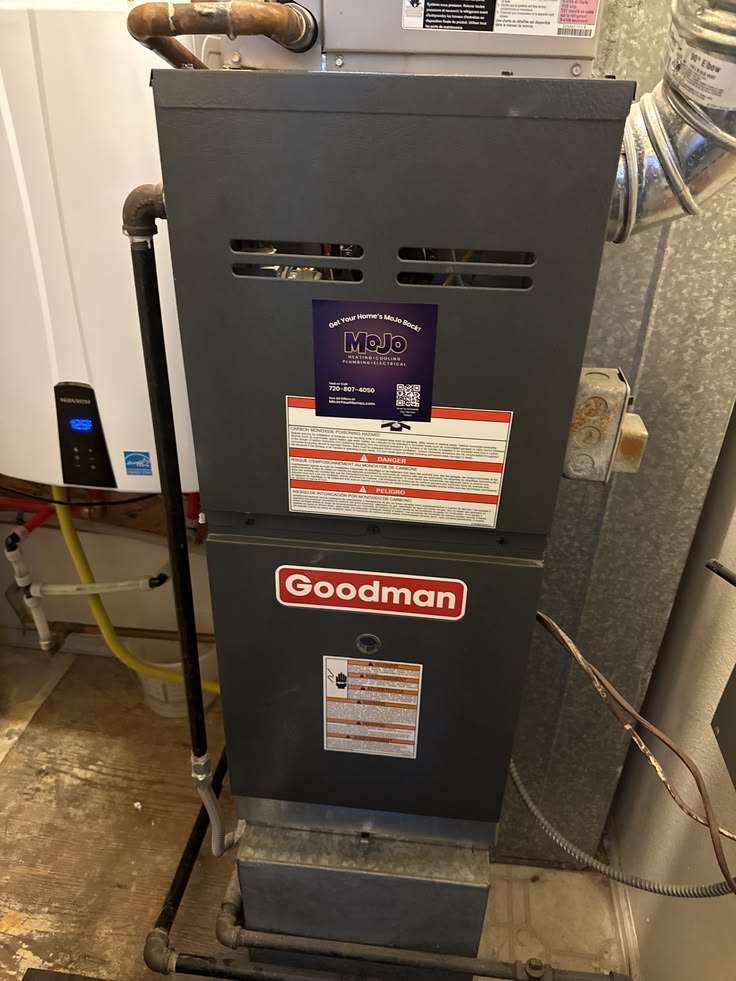
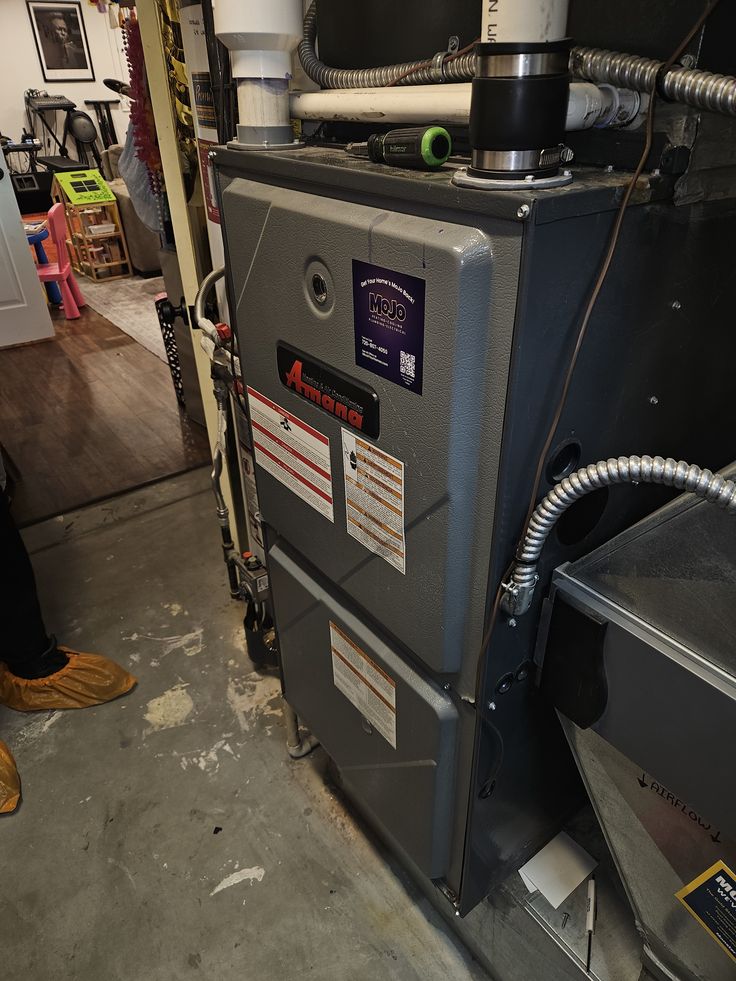
For furnaces, efficiency is measured by AFUE (Annual Fuel Utilization Efficiency). An older furnace might have an AFUE of 80%, meaning 20% of the fuel is wasted. New condensing furnaces can achieve AFUE ratings of 95% or higher, converting nearly all of the fuel into heat for your home.
Heat Pumps: The All-in-One Solution
Heat pumps are a game-changer for Colorado's climate. These versatile systems provide both heating and cooling in one unit. In the summer, they work like a standard AC. In the winter, they reverse the process to pull heat from the outside air and move it inside. They are incredibly efficient, especially during our milder fall and spring days, and can significantly reduce your overall energy usage.
Smart Thermostats
A smart thermostat is one of the easiest and most affordable energy-saving upgrades. These devices learn your family's schedule and automatically adjust the temperature to save energy when you're away or asleep. You can also control them from your phone, giving you ultimate convenience and control over your home's climate.
The Importance of Professional Installation and Maintenance
Choosing the right equipment is only half the battle. To get the full benefit of your investment, you need flawless installation from a trusted professional. An improperly installed system will fail to perform efficiently, can break down prematurely, and may even be unsafe.
Our certified technicians provide top-tier HVAC services in Denver, ensuring your new system is sized correctly and installed to meet the manufacturer's exact specifications. Regular upkeep is also crucial. Scheduling routine furnace maintenance near Lakewood each fall ensures your system runs safely and at peak efficiency all winter long.
Ready to Boost Your Home's Efficiency?
Upgrading your HVAC system is a powerful step toward a more comfortable, affordable, and energy-efficient home. Stop paying for wasted energy and dealing with an unreliable system. Let our team of experts help you find the perfect solution for your home and budget.
We proudly serve homeowners throughout the Denver Metro Area, including Aurora, Lakewood, Littleton, Thornton, and Westminster. Contact us today for a free, no-obligation consultation and start your journey to better home comfort!

Sources & References
U.S. Energy Information Administration - Residential Energy Consumption: HVAC Efficiency Impact, 2024
ENERGY STAR, "Most Efficient HVAC Equipment Guide," U.S. EPA, 2024
American Council for an Energy-Efficient Economy (ACEEE), Home Energy Savings Through HVAC Upgrades, 2024
Xcel Energy Colorado, Energy Efficiency Rebate Programs 2025, 2025
Air-Conditioning, Heating, and Refrigeration Institute (AHRI) - HVAC Equipment Efficiency Directory, 2024
U.S. Department of Energy, "Heat Pump Technology and Efficiency Guide," 2024
Lower your energy bills with efficient HVAC upgrades. MoJo Home Services installs high-performance systems throughout the Denver Metro Area. Visit 4000 Newman St, Wheat Ridge, CO 80033 or call (720) 807-4050 for rebate-eligible equipment options.
Frequently Asked Questions
What is the difference between a 10 SEER and a 16 SEER2 air conditioner?
SEER2 measures how efficiently an air conditioner converts electricity into cooling. The jump from an older 10 SEER unit to a modern 16 SEER2 model is substantial — you're essentially getting the same cooling output while using significantly less electricity. For Denver-area homeowners running their AC through long, hot summers, that difference shows up meaningfully on monthly Xcel Energy bills season after season.
What is a condensing furnace and how is it different from a standard furnace?
A condensing furnace is a high-efficiency heating system that captures heat from exhaust gases that a standard furnace would simply vent outside and waste. This extra heat recovery is what allows condensing furnaces to achieve AFUE ratings of 95% or higher, compared to a standard furnace that may only convert 80% of its fuel into usable heat. In practical terms, a condensing furnace wastes almost nothing — nearly every dollar you spend on gas goes directly toward warming your home.
Are heat pumps effective during Colorado's cold winters or just the mild seasons?
Modern cold-climate heat pumps are engineered to perform in genuinely cold temperatures, not just mild ones. They are especially efficient during Colorado's fall and spring shoulder seasons, but today's advanced models can extract usable heat from outdoor air even on cold winter days. For the most extreme Denver winter nights, many homeowners pair a heat pump with a backup heating element or a dual-fuel system to ensure reliable warmth regardless of temperature.
What does "correctly sized" mean when installing a new HVAC system?
Sizing refers to matching the system's heating and cooling capacity to the specific square footage, insulation level, window placement, and layout of your home. A system that is too small will run constantly and still struggle to keep up. A system that is too large will short cycle — turning on and off repeatedly — which wastes energy and causes uneven comfort. Proper sizing requires a professional load calculation, not a simple square footage estimate, and it's one of the most important factors in getting full value from a new unit.
Can a new HVAC system help with indoor air quality beyond just temperature control?
Yes, and it's one of the less talked-about benefits of upgrading. Modern HVAC systems often include advanced filtration options and better humidity control than older units. They do a more effective job of capturing dust, pollen, pet dander, and other airborne particles before circulating air through your home. For families in Denver dealing with Colorado's dry climate, spring allergens, or wildfire smoke, that improved filtration and humidity management can make a noticeable difference in day-to-day comfort and respiratory health.
What happens if a high-efficiency HVAC system is installed incorrectly?
An improper installation can undermine even the best equipment on the market. A system installed with incorrect refrigerant levels, poorly connected ductwork, or inadequate electrical supply will never reach the efficiency ratings it was designed for — meaning you pay a premium for a system that performs like a budget unit. In some cases, improper installation can also create safety hazards or void the manufacturer's warranty, leaving you with no coverage if something fails early.
How much can I realistically save on energy bills by upgrading my HVAC system?
Savings vary based on how old and inefficient your current system is, but the gap between a 10 SEER unit and a 16 SEER2 replacement — or between an 80% AFUE furnace and a 95%+ condensing model — is significant enough that most homeowners see noticeable reductions in both summer cooling and winter heating costs. When you factor in that an aging system also tends to run longer to compensate for lost efficiency, the cumulative savings of a modern replacement often help offset the upfront investment over time.
Is a smart thermostat worth installing even if I don't upgrade my full HVAC system?
Absolutely — it's one of the best value upgrades available regardless of your system's age. A smart thermostat eliminates the energy waste of heating or cooling an empty home by learning your schedule and adjusting automatically. The ability to control it remotely from your phone also means you can make real-time adjustments if your plans change. Most homeowners recoup the cost within the first one to two years through energy savings, making it a worthwhile first step even before considering a full system replacement.
Related Resources