TL;DR
Colorado Climate
Seasonal tune-ups are one of the most effective ways to keep your heating and cooling system reliable and efficient. This checklist covers the signs your AC needs attention before summer, how to prepare your furnace for the first snowfall, and which maintenance tasks you can safely handle yourself versus when to call a professional.
If you live in the Denver Metro Area, you know the weather has a mind of its own. One day it's sunny and 70 degrees, the next you're waking up to a blanket of snow. This unpredictability is part of our charm, but it can be tough on your home's heating and cooling system.
Your HVAC system works hard to keep you comfortable. It's the unsung hero battling summer heatwaves in Thornton and surprise spring snowstorms in Littleton. Is yours up to the task? Proactive care is the key to year-round comfort and avoiding emergency breakdowns.
Why Seasonal Tune-Ups are a Game Changer
Think of your HVAC system like your car. You wouldn't drive from Denver to the mountains without checking your tires and oil, right? The same logic applies to your furnace and air conditioner. The best times for a check-up are spring and fall.
A spring tune-up prepares your AC for the summer grind. A fall tune-up ensures your furnace is safe and ready for the cold. This simple step can save you from a sweltering home in July or a freezing house in December. It's all about being prepared.
Signs Your Air Conditioner Needs Help Before Summer
The summer sun can be intense across the Front Range. Before you're desperate for cool air, look for these warning signs. Catching them early can be the difference between a simple fix and a major headache requiring emergency AC repair in Aurora.
Weak Airflow: Are some rooms warmer than others? Weak or inconsistent airflow from your vents is a classic sign of trouble. It could be a clogged filter or a more serious issue with the fan or ductwork.
Strange Noises: Your AC should be relatively quiet. Grinding, squealing, or clanking sounds mean something is wrong inside. Turn the unit off and call a professional to investigate.
Excess Moisture or Leaks: A little condensation is normal, but pooling water around your indoor or outdoor unit is not. This could be a clogged drain line, which can cause significant water damage if ignored.
Warm Air: This is the most obvious sign. If your AC is running but blowing lukewarm air, you might be low on refrigerant or have a compressor problem.
Homeowners in Westminster know that a reliable AC isn't a luxury, it's a necessity. Don't wait for a complete failure to get your system checked.
Getting Your Furnace Ready for That First Snowfall
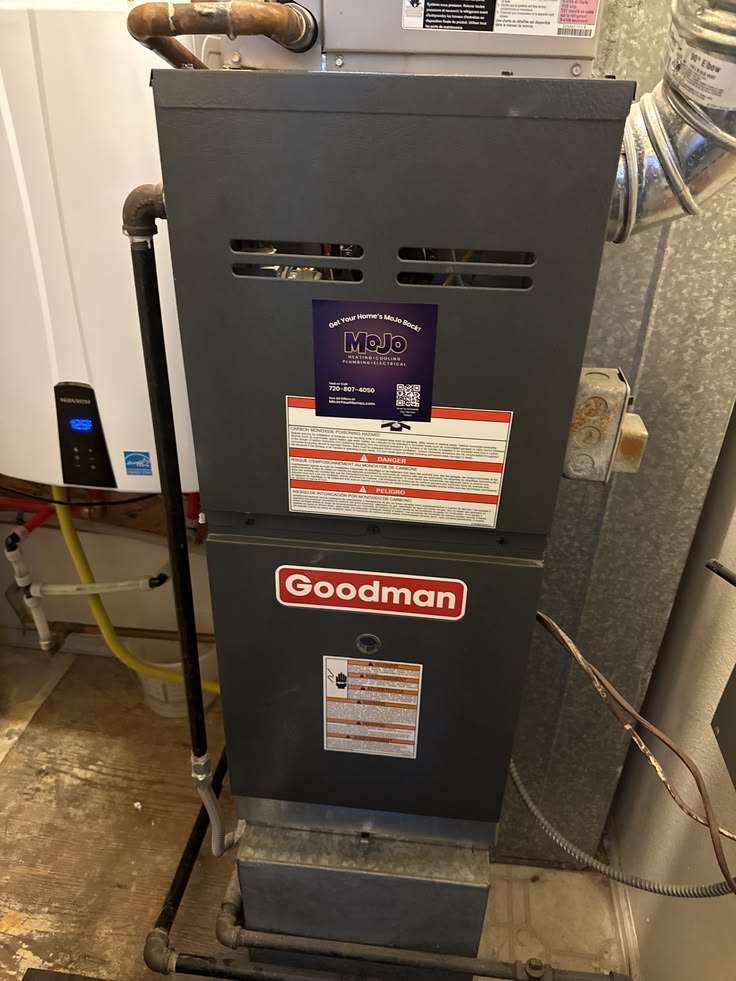
We've all been there. A beautiful fall day turns into a sudden cold snap. The last thing you want is to turn on your furnace and get nothing but cold air. Regular furnace maintenance near Lakewood can prevent this chilly scenario.
Here’s what to watch out for as winter approaches:
Unusual Smells: When you first turn on your furnace, a slight dusty smell is normal. However, a strong smell of gas, burning plastic, or rotten eggs is a serious red flag. Shut off your system and call for help immediately.
Difficulty Starting: Does your furnace struggle to kick on or cycle on and off frequently? This "short cycling" puts extra wear on components and drives up your energy bills.
The Pilot Light is Yellow: If you have an older furnace with a pilot light, it should be a steady blue flame. A yellow, flickering flame could indicate a carbon monoxide leak, which is extremely dangerous.
Rising Energy Bills: If your heating costs are creeping up without a change in your usage, your furnace is likely losing efficiency. It's working harder than it should to heat your home.
The Real Value of Professional HVAC Services in Denver
Some homeowners wonder if professional tune-ups are worth it. The answer is a resounding yes. A comprehensive check from a qualified technician provides benefits that go far beyond just keeping your system running.
A professional inspection is the best way to ensure your system operates at peak efficiency. This means it uses less energy to heat and cool your home, directly lowering your monthly utility bills. An efficient system is a happy wallet.
During a tune-up, a technician can spot worn-out parts and potential problems before they lead to a catastrophic failure. This preventative approach saves you from expensive and inconvenient emergency repairs.
Your HVAC system also plays a huge role in your home's air quality. A clean, well-maintained system with a fresh filter reduces dust, allergens, and other pollutants, helping everyone in your home breathe easier.
DIY vs. When to Call the Pros
There are a few simple tasks every homeowner can do. Changing your air filter every 1-3 months is the most important one. It’s easy, cheap, and has a huge impact on efficiency and air quality. You can also keep the area around your outdoor AC unit clear of leaves and debris.
However, most HVAC work should be left to the experts. Tasks involving electrical components, refrigerant, or gas lines are dangerous for the untrained. For your safety and the health of your system, always call a professional for repairs and annual maintenance.
From Littleton to Aurora and everywhere in between, a reliable HVAC system is your best defense against Colorado's unpredictable climate. Don't get caught off guard. Taking care of your heating and cooling system is an investment in your home's comfort and safety.
If you've noticed any of these warning signs or just want peace of mind, it's time to schedule a check-up. We provide expert HVAC services in Denver and the surrounding communities. Contact us today to get your system ready for any season!

Sources & References
National Oceanic and Atmospheric Administration (NOAA), "Colorado Front Range Climate Extremes," National Centers for Environmental Information, 2024
Colorado State University - Colorado Climate Center: Denver Weather Variability Data, 2024
U.S. Department of Energy, "Year-Round HVAC Maintenance for Variable Climates," 2024
Air Conditioning Contractors of America (ACCA), Regional HVAC Maintenance Standards, 2024
Xcel Energy, "Seasonal Energy Management Programs for Colorado Homes," 2025
American Society of Heating, Refrigerating and Air-Conditioning Engineers (ASHRAE) - Climate Zone 5B HVAC Requirements, 2024
Prepare your HVAC for Colorado's unpredictable climate. MoJo Home Services specializes in year-round maintenance for Denver Metro Area homes. Contact us at 4000 Newman St, Wheat Ridge, CO 80033 or call (720) 807-4050.
Frequently Asked Questions
What HVAC maintenance can I safely do myself?
There are two things every homeowner can and should do on their own. First, replace your air filter every one to three months — it's inexpensive, takes minutes, and has a direct impact on both efficiency and air quality. Second, keep the area around your outdoor condenser unit clear of leaves, grass, and debris. Beyond those two tasks, most HVAC work involving electrical components, refrigerant, or gas lines should always be handled by a licensed professional.
Why is it dangerous for homeowners to attempt their own HVAC repairs?
Tasks involving gas lines, electrical wiring, or refrigerant carry serious safety risks for anyone without proper training and equipment. A mistake with a gas connection can create a leak or fire hazard. Mishandling refrigerant is both dangerous and illegal without a proper license. Beyond safety, an improper DIY repair can cause further damage to the system, void your warranty, and ultimately cost more to fix than if you had called a professional from the start.
How does a well-maintained HVAC system improve my home's air quality?
Your HVAC system circulates all the air in your home, which means a dirty or poorly maintained system also circulates dust, allergens, mold spores, and other pollutants. A clean system with a fresh filter traps those particles rather than pushing them through your vents. This makes a meaningful difference for anyone in your home who suffers from allergies, asthma, or respiratory sensitivities — and benefits everyone's long-term health.
What are the best times of year to schedule HVAC tune-ups in Colorado?
Spring and fall are the ideal windows. A spring tune-up prepares your air conditioner before the summer heat sets in, and a fall tune-up ensures your furnace is safe and ready before the first cold snap hits. Scheduling during these shoulder seasons also means you're more likely to get a convenient appointment — unlike the mid-summer and mid-winter rush when everyone else is scrambling after a breakdown.
Can a clogged drain line really cause serious damage to my home?
Yes. When your AC's condensate drain line gets blocked, water has nowhere to go and begins pooling around your indoor unit. Left unaddressed, that water can damage flooring, walls, and the unit itself, and create the right conditions for mold growth. It's one of the more common issues technicians find during AC tune-ups, and it's an easy fix when caught early — but a much costlier problem if it goes unnoticed for weeks.
How does a professional tune-up actually lower my monthly energy bills?
During a tune-up, a technician cleans components like the coils and burners, lubricates moving parts, checks refrigerant levels, and tests electrical connections. Each of these tasks helps the system operate the way it was designed to — using the minimum amount of energy to deliver maximum comfort. A dirty or poorly adjusted system has to work harder and run longer to hit your thermostat setting, and that extra effort shows up directly on your utility bill.
Is a slight dusty smell when I first turn on my furnace something to worry about?
A faint dusty smell during the very first startup of the season is completely normal — it's simply dust that settled on the heat exchanger burning off after months of inactivity. It should clear up within a few minutes. What you should never dismiss is a strong smell of burning plastic, rotten eggs, or gas. Those odors signal a potentially serious problem and mean you should shut the system off immediately and call a professional.
Does short cycling affect my energy bills as well as my system's lifespan?
Yes, both. When your furnace or AC short cycles — turning on and off repeatedly without completing a full run — it never reaches its most efficient operating state. Most of the energy a system uses is drawn during startup, so frequent restarts waste more power than a steady full cycle would. On top of higher bills, that repeated stress on components like the compressor and blower motor accelerates wear and leads to earlier failures and more frequent repairs.
Related Resources