TL;DR
AC Maintenance
Constant seasonal swings put unusual stress on your heating and cooling system, which makes spring the ideal time for a tune-up. This guide covers how to wind down your furnace for the season, a startup checklist to get your AC ready, and the warning signs that mean it is time to call for a repair before summer arrives.
Here in the Denver Metro Area, we all know the weather has a mind of its own. One day it’s sunny and feels like summer, and the next we’re getting a surprise spring snowstorm. This constant back-and-forth puts a unique kind of stress on your home’s heating and cooling system. As we transition from winter to spring, it’s the perfect time to give your HVAC system some much-needed attention.
Ensuring your system is ready for the shift isn't just about comfort. It's about efficiency, saving money, and preventing surprise breakdowns. A little bit of prep now can save you a lot of headaches later. This guide will walk you through the essential steps to prepare your furnace for its rest and wake up your air conditioner for the warmer days ahead.
Winding Down Winter: Smart Furnace Care
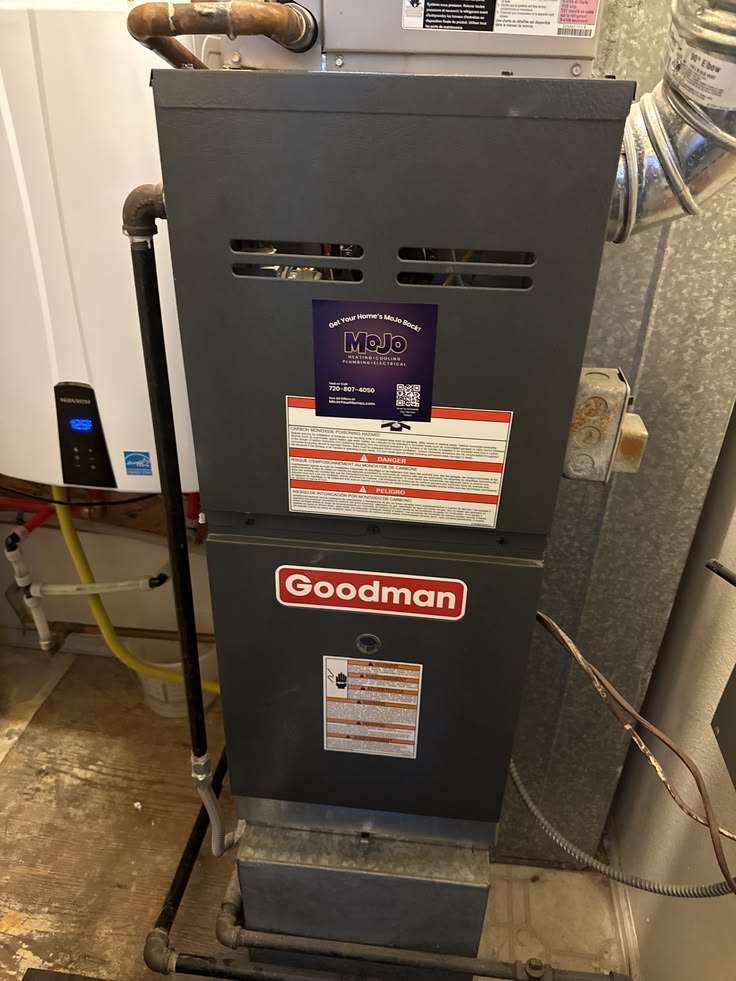
Your furnace has been the unsung hero of your home all winter, working tirelessly to keep you warm. Before you forget about it until next fall, a few simple steps will ensure it’s in good shape. Think of it as putting your winter workhorse out to pasture properly.
The first and most important task is to check your furnace filter. After months of filtering dust, pet dander, and other particles, it’s likely clogged and dirty. A dirty filter restricts airflow, making your system work harder and harming your indoor air quality. Swapping it out for a fresh one is an easy, five-minute job that pays off big.
While your furnace is on your mind, it's the ideal time to schedule professional maintenance. Getting a tune-up now means you won’t be scrambling for an appointment during the first cold snap next autumn. A technician performing professional furnace maintenance near Lakewood will do a thorough safety check, clean critical components, and ensure there are no lingering issues from the long winter. This preventative step gives you peace of mind all summer long.
Prepping for Peak Performance: Your AC Startup Checklist
When that first truly hot day hits, you want your air conditioner to be ready to go. Just flipping the switch without a little prep can lead to problems. Before you need it, take a few moments to run through this simple checklist.
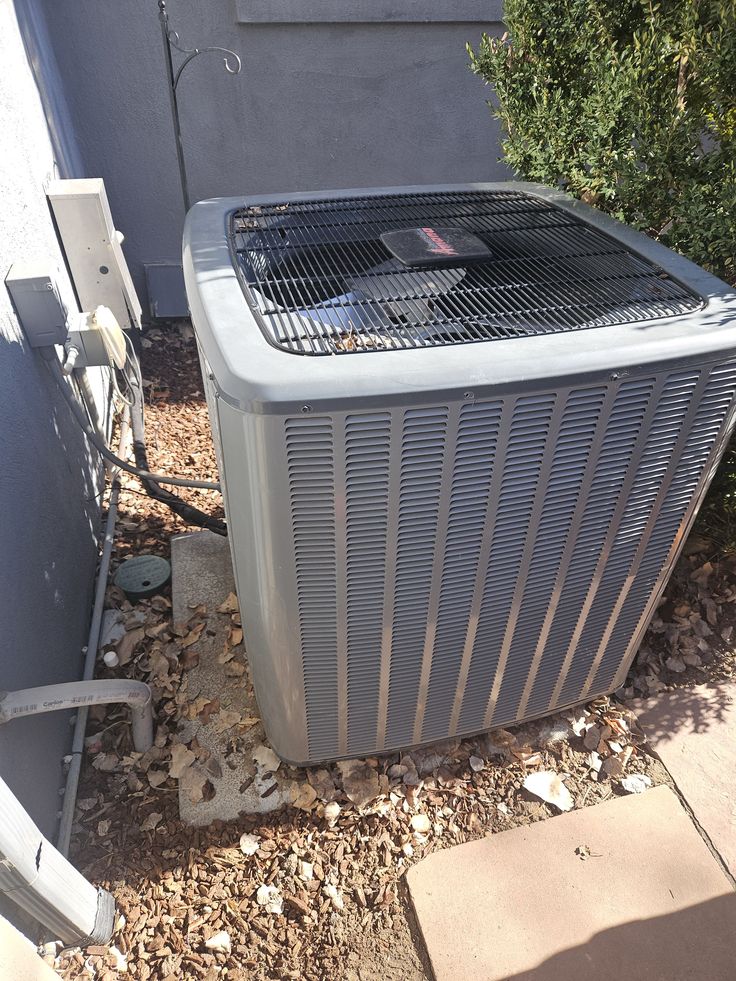
Start by going outside to your condenser unit, the big metal box in your yard. It’s likely covered in dirt, leaves, and maybe even some of that famous Colorado cottonwood fluff. Gently clear away any debris from the top and sides. Your AC needs to breathe, and a clear unit runs much more efficiently. A simple rinse with a garden hose on a gentle setting can also help clean the fins.
Next, head inside to your thermostat. Make sure you switch the setting from “Heat” to “Cool.” This is also a great time to test it. Set the temperature a few degrees below the current room temperature to make sure the AC kicks on and blows cool air. If you're still using an old manual thermostat, consider an upgrade. A smart thermostat can help you save significant money on energy bills, which is a welcome relief for homeowners in communities like Thornton and Westminster.
The Pro Tune-Up: Why It's a Smart Investment
A DIY check is a great start, but it can’t replace a professional AC tune-up. An experienced technician has the tools and expertise to inspect, clean, and adjust parts of your system that you can't. Think of it as an essential investment in your home’s comfort and your budget.
Here’s why a professional tune-up is so important:
Boosts Efficiency: A technician will clean the coils, lubricate moving parts, and check refrigerant levels. A clean, well-maintained system uses far less energy to cool your home, leading to lower monthly utility bills.
Prevents Major Breakdowns: During a tune-up, a technician can spot a small problem, like a frayed wire or a worn part, before it turns into a catastrophic failure on a 95-degree afternoon. This proactive approach helps you avoid calling for emergency AC repair in Aurora when you need your system most.
Improves Air Quality: Your AC coils can become a breeding ground for mold and bacteria, which then get circulated through your home. A professional cleaning removes this buildup, helping your family breathe cleaner, healthier air.
Extends System Lifespan: Your HVAC system is one of the most expensive appliances in your home. Just like regular oil changes for your car, routine maintenance helps it last longer, protecting your investment.
Warning Signs: When to Call for HVAC Repair
Sometimes, your system needs more than just a tune-up. It's important to recognize the signs of trouble so you can address them quickly before they get worse. If you notice any of these issues, it's time to call a professional.
Strange Noises: Your HVAC system should be relatively quiet. If you hear loud banging, grinding, squealing, or rattling, turn the system off and call for help. A family in Littleton shouldn't have to shout over a noisy furnace.
Weak Airflow: If you put your hand up to the vents and the airflow feels weak or non-existent, it could signal a problem with the fan, a blockage in the ductwork, or a severely clogged filter.
Unexpectedly High Energy Bills: A sudden, unexplained spike in your energy bill is often the first sign that your HVAC system is losing efficiency and struggling to keep up.
Constant Cycling: Does your furnace or AC turn on and off every few minutes? This is called short cycling. It’s not only inefficient but also puts a lot of wear and tear on your system’s components.
Your Go-To for Expert HVAC Services in Denver
Keeping your home comfortable year-round requires a reliable HVAC system and a trustworthy team to maintain it. We understand the unique challenges of the Colorado climate and are dedicated to providing top-tier service to our neighbors across the Front Range.
From seasonal tune-ups and minor fixes to emergency repairs and full system replacements, our certified technicians have the skills and experience to get the job done right. We are proud to offer comprehensive HVAC services in Denver and the surrounding communities.
Don’t wait for a breakdown to think about your heating and cooling. Be proactive this spring. Contact us today to schedule your AC tune-up or to discuss any of your home comfort needs. We’re here to help you stay comfortable, no matter what the Colorado weather throws your way.

Sources & References
National Weather Service Boulder Office, "Denver Metro Area Spring Weather Hazards and Preparation," 2024
Air Conditioning Contractors of America (ACCA) - Residential HVAC Maintenance Standards, 2024
U.S. Department of Energy, "Spring and Summer Energy-Saving Tips," Energy.gov, 2024
Carrier Corporation, Homeowner's Guide to Spring AC Preparation, Technical Publication, 2024
Indoor Air Quality Association (IAQA), "Seasonal HVAC Maintenance for Optimal Air Quality," 2024
Xcel Energy - Air Conditioning Tune-Up Programs, 2025
Get your Denver home ready for spring weather. Schedule your AC tune-up with MoJo Home Services today. We're located at 4000 Newman St, Wheat Ridge, CO 80033. Call (720) 807-4050 for same-day service appointments.
Frequently Asked Questions
When should I switch my HVAC from heating to cooling mode in Colorado?
In the Denver Metro Area, the transition typically happens in early to mid-spring, but Colorado's unpredictable weather means there's no perfect date. A good approach is to watch the forecast and make the switch when overnight lows consistently stay above freezing. Before you flip to cooling mode, take a few minutes to run through a basic startup checklist so your AC is ready to perform when that first hot day arrives.
What should I do to prepare my air conditioner for spring startup?
Start outside at your condenser unit — clear away any leaves, debris, or cottonwood fluff that collected over winter and give the fins a gentle rinse with a garden hose. Then head inside, switch your thermostat from "Heat" to "Cool," and test it by setting the temperature a few degrees below room temperature to confirm cool air is blowing. Finish by replacing your air filter if it hasn't been swapped out recently.
Do I need a professional AC tune-up if my system seems to be working fine?
Yes. Many issues — like low refrigerant, frayed wiring, or worn components — don't show obvious symptoms until they cause a complete failure, often on the hottest day of summer. A professional tune-up catches those hidden problems early, cleans the coils, lubricates moving parts, and checks refrigerant levels, all of which keeps your system running efficiently and prevents costly emergency repairs.
How does a professional tune-up improve my indoor air quality?
Over time, your AC coils can become a breeding ground for mold and bacteria. When the system runs, those contaminants get circulated through your home's air. A professional cleaning removes that buildup from the coils and other components, helping your family breathe cleaner, healthier air throughout the spring and summer months.
Why should I schedule furnace maintenance in spring instead of waiting until fall?
Scheduling furnace maintenance in spring means you beat the fall rush, when every HVAC company in Denver is booked solid. Getting a professional safety check and cleaning done now gives you peace of mind all summer, and ensures your heating system is ready to go the moment that first Colorado cold snap arrives — without any scramble for an appointment.
Can a dirty air filter really make that big of a difference?
Absolutely. After a full winter of filtering dust, pet dander, and debris, a clogged filter significantly restricts airflow. This forces your system to work harder than necessary, raising your energy bills and wearing out components faster. Replacing it takes about five minutes and is one of the highest-impact, lowest-cost maintenance tasks any homeowner can do.
What is short cycling and why does it damage my HVAC system?
Short cycling is when your furnace or AC turns on and off repeatedly in short bursts rather than completing a full heating or cooling cycle. Each startup puts significant stress on the system's components — particularly the compressor — causing accelerated wear and tear. Left unaddressed, short cycling can shorten your system's lifespan considerably and is always a sign that a professional diagnosis is needed.
How can I tell if my HVAC system needs a repair rather than just a tune-up?
A tune-up is preventative — it's for a system that's running but needs cleaning and inspection. You likely need a repair if you're noticing warning signs like loud banging, grinding, or squealing noises; weak or no airflow from your vents; a sudden unexplained spike in your energy bills; or short cycling. Any of these symptoms means something has already gone wrong and a professional should diagnose it promptly.
Related Resources