TL;DR
Troubleshooting
If your upstairs feels like an oven while the main floor stays comfortable, you are dealing with a common and fixable problem. This guide explains the science behind a hot second floor, the ductwork and insulation issues that make it worse, and how an HVAC zoning system can even out the temperature and lower your energy bills.
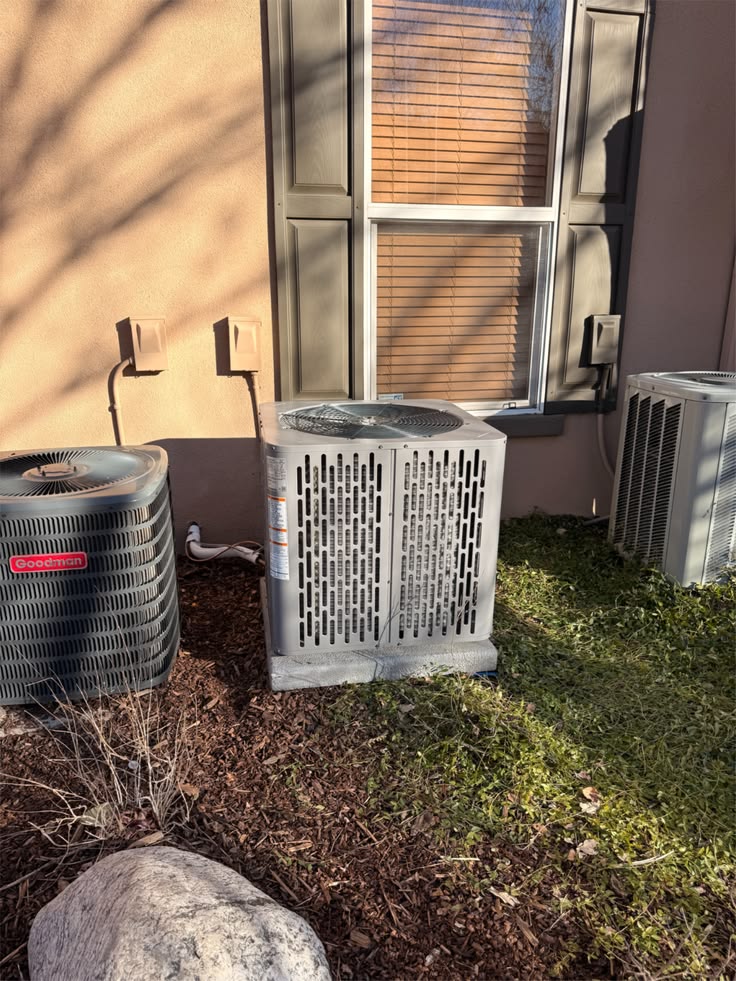
You know the feeling. It’s a beautiful, sunny day in the Denver Metro Area. The main floor of your home is perfectly comfortable, but as you walk upstairs, you’re hit by a wall of heat. Your second floor feels like an oven, and your air conditioner just can’t seem to keep up. This is one of the most common complaints we hear from homeowners, and it’s not just in your head.
A hot second floor is more than just annoying. It can lead to restless nights, high energy bills, and unnecessary strain on your HVAC system. Fortunately, there are clear reasons why this happens and effective solutions to fix it for good.
The Science Behind a Hot Upstairs
Understanding why your second story gets so warm is the first step to solving the problem. A few basic principles of physics are working against you, especially in Colorado's climate.
Heat Rises: This is the biggest culprit. Hot air is less dense than cold air, so it naturally rises. All the heat generated on your main floor from cooking, electronics, and people eventually makes its way upstairs.
Roof and Attic Heat: Your roof absorbs a massive amount of solar radiation throughout the day. This heat radiates down into your attic and, if not properly insulated and ventilated, seeps through the ceiling into your second floor rooms.
Poor Insulation: Many homes, especially older ones in neighborhoods around Lakewood and Littleton, have inadequate attic insulation. This allows heat to transfer easily from the attic into your living spaces.
Common Issues That Make It Worse
While physics plays a big role, specific problems with your home or HVAC system can make the temperature difference even more extreme. An aging system might struggle to cool an upstairs bedroom in Thornton, or leaky ducts could prevent cool air from ever reaching your rooms in Westminster.
An Undersized or Aging AC Unit: Your air conditioner might not be powerful enough to push cool air all the way to the top floor, especially on a hot summer day. If your system is over 10 years old, it may have lost its cooling capacity.
Leaky or Poorly Designed Ductwork: If your ducts have leaks, holes, or poor connections, a significant amount of cool air can escape into your walls or attic before it ever reaches the vents upstairs.
Blocked Vents: It might sound simple, but furniture, rugs, or curtains can easily block return air vents, which are crucial for circulating air back to the AC unit to be cooled.
The Best Solution: HVAC Zoning Systems
So, how do you fix it for good? While you could try blackout curtains or portable fans, the most effective and permanent solution is an HVAC zoning system. Zoning divides your home into two or more areas, each controlled by its own thermostat. This allows you to set different temperatures for your upstairs and downstairs.
Instead of one thermostat on the main floor trying to guess the temperature on the second story, a zoned system reads the temperature in each specific zone. It uses a series of automated dampers in your ductwork to direct cool air precisely where it's needed most. If the upstairs is hot but the downstairs is comfortable, the system will send all the cooling power upstairs until it reaches your desired temperature.
Benefits of HVAC Zoning
Installing a zoning system offers more than just a cooler second floor. It completely transforms your home’s comfort and efficiency.
Consistent Comfort Everywhere: Eliminate hot and cold spots for good. Enjoy a perfectly cool bedroom in Aurora without freezing out the living room downstairs.
Lower Energy Bills: By only cooling the areas that need it, you stop wasting energy. A zoned system can significantly reduce your monthly cooling costs.
Personalized Control: Do you and your family have different temperature preferences? Zoning allows everyone to be comfortable in their own space.
Is It Time to Fix Your Hot Second Floor?
If you are tired of sweating in your own bedroom, it’s time to take control of your home’s comfort. An unbalanced HVAC system might make you think you need an AC repair in Aurora, when the real issue is airflow. Just like regular furnace maintenance near Lakewood is crucial for winter, proper air distribution is key for summer.
For the most reliable HVAC services in Denver, trust a team that understands our local homes. We can assess your current system and determine if zoning is the right solution for you. Book online today or Call MoJo to schedule a consultation and make your entire home comfortable again.
<

Sources & References
U.S. Department of Energy - Zoned Heating and Cooling Systems, 2024
Air Conditioning Contractors of America (ACCA), Manual Zr: Residential Zoning System Design, 2024
Building Science Corporation, "Multi-Story Home Temperature Stratification Solutions," 2024
ENERGY STAR, "Ductless Mini-Split Heat Pumps: Energy Efficiency Guide," U.S. EPA, 2024
American Society of Heating, Refrigerating and Air-Conditioning Engineers (ASHRAE) - Residential HVAC Zoning Standards, 2024
Mitsubishi Electric - Ductless Zoning Solutions Technical Guide, 2024
Solve your second-floor heating and cooling problems. MoJo Home Services specializes in HVAC zoning and ductless solutions for Denver homes. Visit 4000 Newman St, Wheat Ridge, CO 80033 or call (720) 807-4050 for a free zoning assessment.
Frequently Asked Questions
Why is my second floor so much hotter than my first floor even when the AC is running?
Several factors work together to make upper floors harder to cool. Heat naturally rises, so warmth generated on the main floor from cooking, electronics, and body heat migrates upward. At the same time, your roof absorbs solar radiation all day and radiates that heat down through the attic and ceiling into your second floor rooms. If attic insulation is inadequate — a common issue in older Denver-area homes — that heat transfer is even more pronounced, and your AC is fighting a losing battle from below.
How do automated dampers in a zoning system actually work?
Dampers are motorized plates installed inside your ductwork at key branch points. When a zone's thermostat calls for cooling, the dampers open to allow airflow to that area. When the zone reaches its target temperature, the dampers close to redirect that cooling capacity elsewhere. This means your system isn't pushing cold air equally everywhere all the time — it's directing it precisely where it's actually needed at any given moment, which is both more effective and more efficient than a single-thermostat setup.
How much can HVAC zoning actually save on my energy bills?
According to the U.S. Department of Energy, a properly designed zoning system can save homeowners up to 30% on heating and cooling costs by eliminating the waste of conditioning rooms that are unoccupied or already comfortable. For Denver-area homeowners running their AC heavily through summer, that percentage translates into meaningful monthly savings — and the efficiency gains apply to your heating system in winter as well, not just summer cooling.
Could leaky ductwork be the real reason my upstairs never cools down?
Absolutely. Duct leaks are one of the most common and underdiagnosed causes of uneven temperatures in two-story homes. When conditioned air escapes through holes, gaps, or poor connections in your ductwork — often into wall cavities or the attic — the rooms at the end of that duct run receive significantly less airflow than they should. Your AC may be working perfectly fine while a substantial portion of the cool air it produces never reaches the upstairs vents. A professional duct inspection can confirm whether leakage is the root cause before investing in other solutions.
Can adding attic insulation help cool my second floor without changing my HVAC system?
Yes, and it's often one of the most cost-effective first steps. Proper attic insulation creates a thermal barrier between your sun-baked roof and your living spaces, significantly reducing how much heat radiates down into your second floor. In older Lakewood and Littleton homes that were built with minimal insulation standards, upgrading the attic can make a noticeable difference in upstairs comfort and reduce the workload on your AC. It works best when combined with proper attic ventilation to allow trapped heat to escape rather than accumulate.
How do I know if my AC is undersized for my home rather than just struggling with poor airflow?
An undersized unit typically runs continuously without ever fully reaching your set temperature, especially on hot days. You may also notice the system never cycles off — it just runs and runs while the house stays warm. Poor airflow problems, by contrast, often show up as uneven comfort — some rooms are fine while others aren't — rather than the whole house being warm. A professional load calculation factors in your home's square footage, ceiling height, insulation, window exposure, and layout to determine whether your current unit is properly sized or whether airflow distribution is the actual issue.
Can a zoning system be added to my existing HVAC setup or does it require a full replacement?
In most cases, zoning can be retrofitted to an existing forced-air system without replacing the central unit. The installation involves adding motorized dampers to your ductwork and installing individual thermostats for each zone. The main requirement is that your existing system is in reasonably good working condition and has ductwork that can accommodate the damper installation. A technician can assess your current setup to confirm compatibility and let you know if any modifications are needed before zoning can be added.
Are blocked return air vents really a significant enough issue to cause a hot second floor?
More than most homeowners realize. Return air vents are what allow your HVAC system to pull warm air back to the unit to be cooled and recirculated. When furniture, rugs, or curtains block those vents — even partially — the system loses its ability to properly circulate air throughout the home. The result is that certain areas, particularly upper floors where return vents are sometimes fewer in number, don't get adequate airflow. It's one of the simplest fixes available: clearing blocked vents costs nothing and can meaningfully improve air distribution before considering any larger solutions.
Related Resources