Heating Installation
MoJo sizes each heating installation room by room and sets it up for altitude, whether your Denver home needs a furnace, heat pump, dual fuel or ductless.
A new heating system is something you will live with for the next 15 to 20 years, so it deserves more than a quote matched to the model number on the old unit. For homeowners across the Denver metro, our job on a heating installation is to help pick the right type of equipment, size it to the house and set it up so it runs safely at altitude.
Which Heating System Fits Your Home?
There is no single right answer for every house. The main options we install are:
Gas furnaces, still the most common choice in the area. Our furnace installation page covers standard and high-efficiency models in detail.
Heat pumps, which heat and cool with one outdoor unit. Cold-climate models keep working well below freezing, and many homeowners pair one with a gas furnace as a dual-fuel system for the coldest nights. Read more about cold-climate heat pumps.
Ductless mini-splits for additions, finished basements, converted garages or older homes without ducts.
Boilers for homes with radiators, baseboard or radiant floors.
The right pick depends on what the house already has (ducts, a chimney, a gas line, spare electrical capacity), how long you plan to stay and how you want to balance the upfront cost against the monthly operating cost. We walk through those trade-offs with you before recommending anything.
Sizing and Ductwork Come First
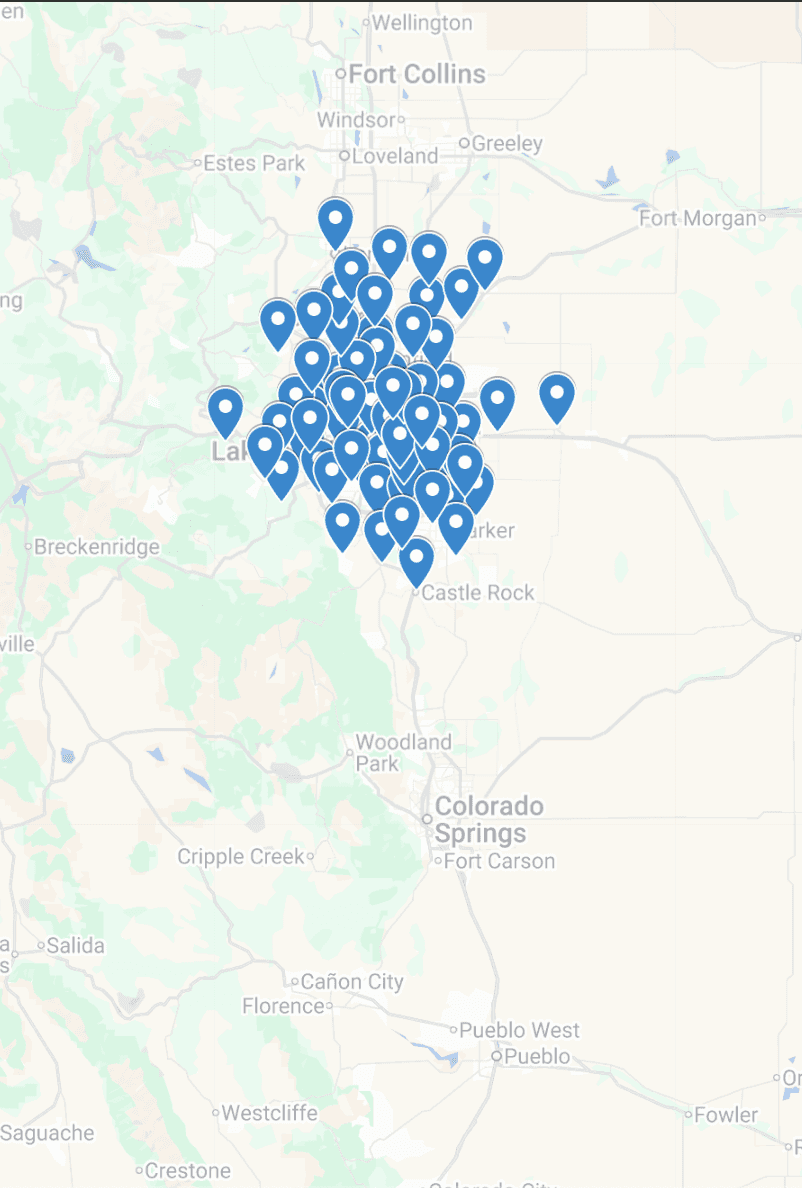
An oversized system short cycles, wears out sooner and leaves rooms uneven, while an undersized one runs nonstop on cold nights. We size equipment from a room-by-room heat-loss calculation that accounts for insulation, windows, orientation and air leakage, not from the capacity of whatever was there before. Then we look at the ducts. Many metro houses built between the 1950s and the 1980s still have their original duct runs, often sized for a different furnace or never sealed. Correcting undersized returns or leaky trunk lines during the install often does more for comfort than the equipment upgrade itself. We also check that every room has a working supply register and a path back to a return, because upstairs bedrooms with no return air are a common reason a new system still leaves cold spots. In-home sizing visits across the metro, from the west suburbs to Aurora and the south and east suburbs, are scheduled by our Wheat Ridge location.
Installed for Colorado's Altitude
Every fuel-burning appliance installed here has to be set up for elevation. Gas furnaces and boilers are derated, and gas pressure and combustion are checked at startup so the flame burns clean. Heat pumps are selected against realistic Front Range winter design temperatures, with backup heat matched to the house. Thin, dry air also affects airflow and indoor humidity, which we factor into the blower setup and any accessories you choose.
Furnace Replacement or Full System Upgrade?
If the heating equipment is near the end of its life but the air conditioner is newer, swapping only the heating side may be the right call. If both are aging, replacing them together lets us match the indoor coil and the blower, and it is a natural point to consider a heat pump.
What Changes by System Type
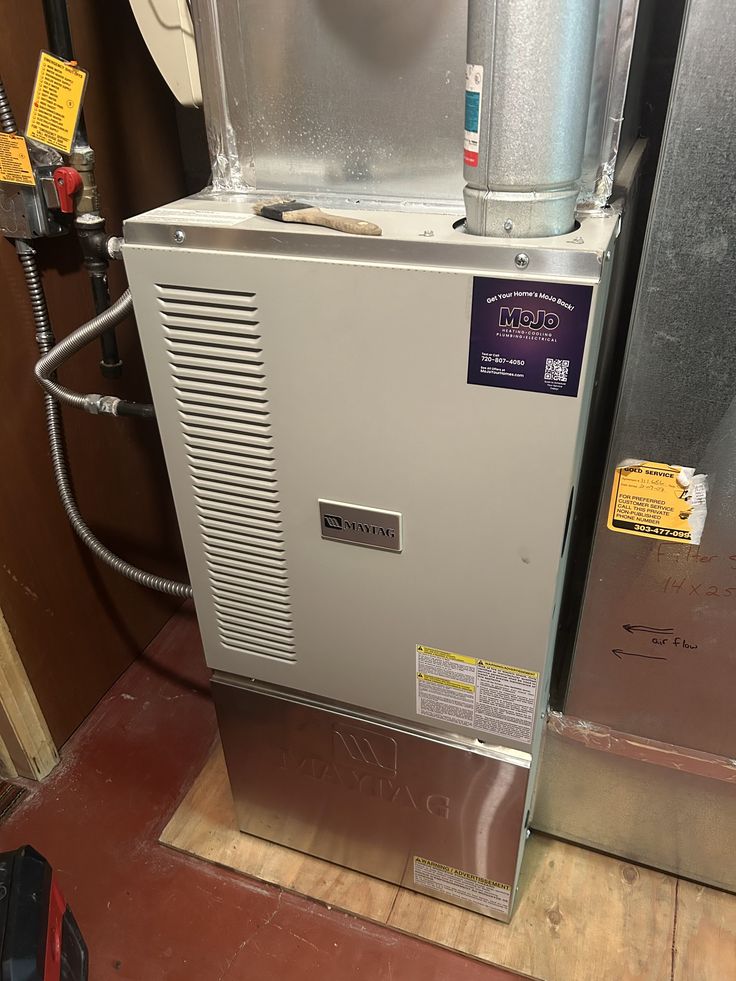
Installation day looks different depending on what goes in. A furnace swap is the most familiar, and the furnace page above walks through it. The other systems bring their own work:
Heat pumps need a level pad or wall brackets for the outdoor unit, placed where snow and roof runoff will not bury it, plus a refrigerant line set to the indoor coil and, in many homes, a new electrical circuit. Plan on a day or two, depending on how far the lines travel and whether the panel has room.
Ductless mini-splits come down to placement. Each indoor head goes where it can move air across the room without blowing straight onto a bed or a couch, and its condensate needs a route outside or to a small pump. Line sets usually run along the exterior wall in a protective cover.
Boiler swaps are mostly piping work. The new boiler is tied into the existing supply and return, the system is refilled and purged of air, and each zone is checked for heat. Moving from an old cast-iron boiler to a condensing model can also mean new venting and a condensate drain.
Whatever the system, we pull the permit and line up the city or county inspection so the work is on record.
Controls, Filtration and Humidity
The thermostat has to match the equipment. A two-stage furnace or a dual-fuel heat pump needs a control that can call each stage and decide when to switch fuels, and many older homes lack the extra wire a modern thermostat needs, which we run during the install. It is also the easiest time to add a deeper media filter cabinet or a whole-home humidifier, since Front Range winters are dry enough to crack wood floors and fill the house with static shocks.
To see what a new furnace or full system costs before anyone visits, read our 2026 furnace and HVAC price guide or use the free HVAC price calculator.

Why Neighbors Trust Us
★★★★★ on Google & Nextdoor
5-star rated by Denver Metro homeowners
Fast response times
Same-day service on most calls
Licensed & insured
NATE & EPA certified technicians
Workmanship warranty
We stand behind every repair & install
Family & locally owned
Serving your neighborhood since 2009
Heating and Cooling Service
Plumber
Air conditioning service
Water heater service
Air quality tester
(720) 807-4050
Schedule Online 24/7
www.MoJoYourHomes.com
support@mojoyourhomes.com
FREE Heating Service Consultation
Schedule Your Service or Request a Free Quote Today
Why MoJo Home Services?
Denver’s trusted HVAC pros — delivering comfort, honesty, and reliable results for over 16 years.







Help Center
Frequently Asked Questions: Heating Installation in Denver, CO
How do running costs compare between a furnace, a heat pump and dual fuel?
It depends on local gas and electric rates and on how cold it gets. A heat pump moves heat instead of making it, so it is very efficient in mild weather, but its output and efficiency fall as the temperature drops. A gas furnace costs about the same to run per unit of heat whatever the weather. A dual-fuel system uses the heat pump until gas becomes the cheaper way to heat, then switches over, which is why many metro homeowners choose it. We can walk through the trade-off using your recent utility bills.
Should I choose a furnace or a heat pump?
A gas furnace delivers strong heat on the coldest nights and is usually the simplest swap if you already have one. A cold-climate heat pump adds efficient heating and cooling from one outdoor unit, which makes the most sense when your air conditioner is also due for replacement or your home already has the electrical capacity.
Can a home without ductwork get efficient heat?
Yes. Ductless mini-split systems mount an indoor head in each zone and connect to an outdoor unit through a small line set, which suits older homes, additions and finished basements.
Is a furnace replacement worth it if my old one still runs?
Sometimes. If the furnace is approaching 20 years old, needs a major part or has a cracked heat exchanger, replacing it on your schedule beats replacing it during a January breakdown. If it is younger and repairs are minor, keeping it running usually makes more sense, and we will tell you so.
We Service Your Location
Reliable HVAC Repair Service When You Need It Most
Experience the difference of working with a 5-star rated team that has served over 5,000 happy neighbors. Whether you need a seasonal HVAC tune-up or a high-efficiency system upgrade, we deliver honest assessments and guaranteed results backed by nearly two decades of industry expertise.
Plus surrounding areas within 50 miles of Denver, Colorado