Welcome, Neighbors of
Lakewood
AC Repair in Lakewood, CO
Lakewood spreads a long way west, and a house near the Denver line and a house up under Green Mountain live in noticeably different weather on the same summer day. We work out which one you are in first. Family owned since 2009 and five star rated.
5-star rated · Local & Family-owned since 2009
Licensed & Insured
Family Owned
NATE Certified
EPA Certified
BBB Accredited
Serving Denver Metro

See your neighbor deals
MoJo Home Services
Out in your neighborhood · Denver Metro
AC Repair in Lakewood, Colorado
Lakewood sits at 5,518 feet. Air at that elevation is roughly 15% less dense than sea-level air, which means the capacity and airflow figures printed on a manufacturer's chart need a correction before they can be trusted on a diagnosis. MoJo Home Services has been repairing air conditioners in Jefferson County since 2009 — family-owned, licensed, insured, EPA-certified. Call 720-807-4050.
Why does the temperature split on a Lakewood AC read wider than the chart says?
The sensible-heat rule every tech works from — BTU/hr = 1.08 x CFM x delta-T — has sea-level air density baked into that 1.08. At 5,518 feet the honest multiplier is closer to 0.92. Same blower, same nominal 1,200 CFM, but only about 1,020 CFM worth of sea-level mass actually crossing the coil, so the temperature drop across the evaporator comes out wider for identical capacity. A Lakewood system showing a 24-degree split is not automatically airflow-starved. Reading that number without the density correction is how healthy compressors get condemned.
How does Lakewood's 14.1% altitude derate end up affecting cooling?
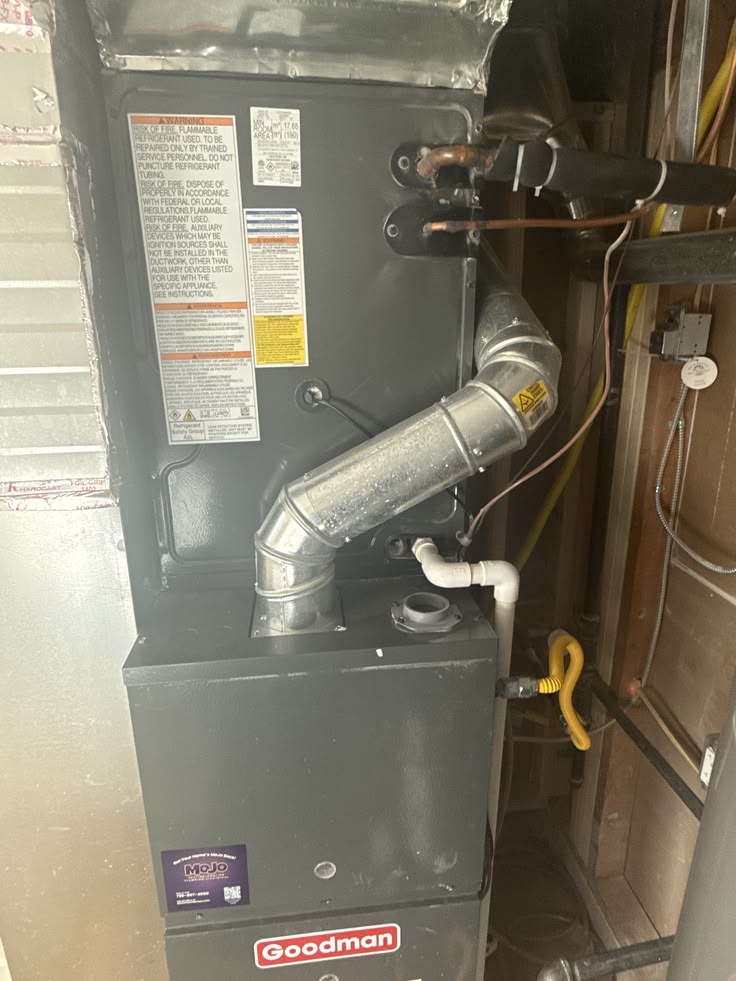
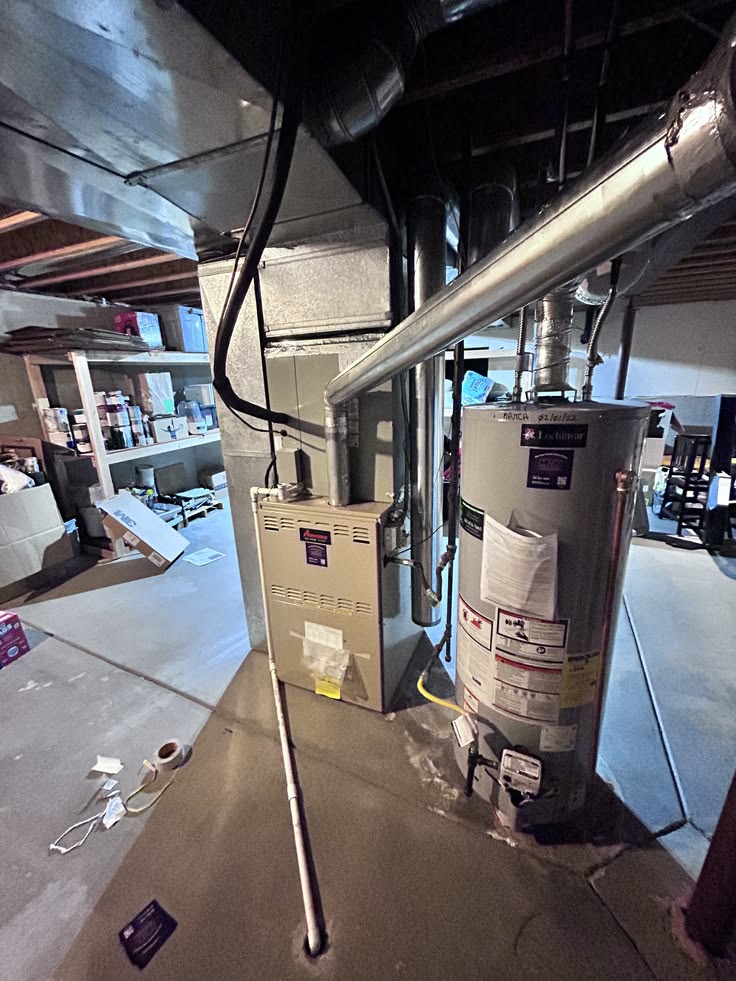
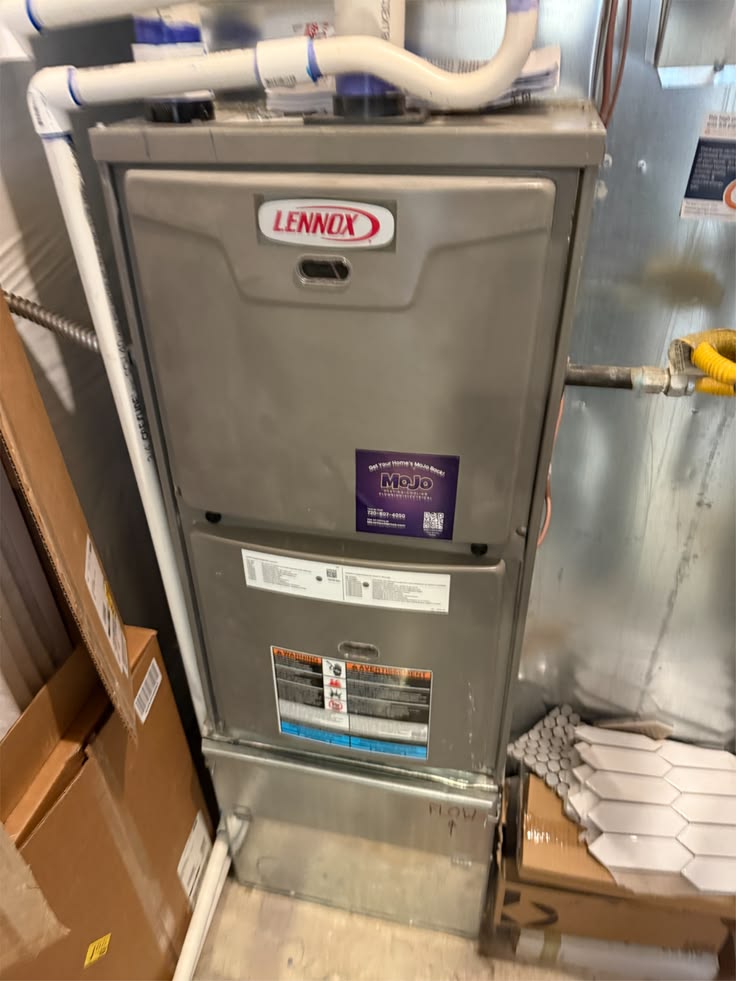
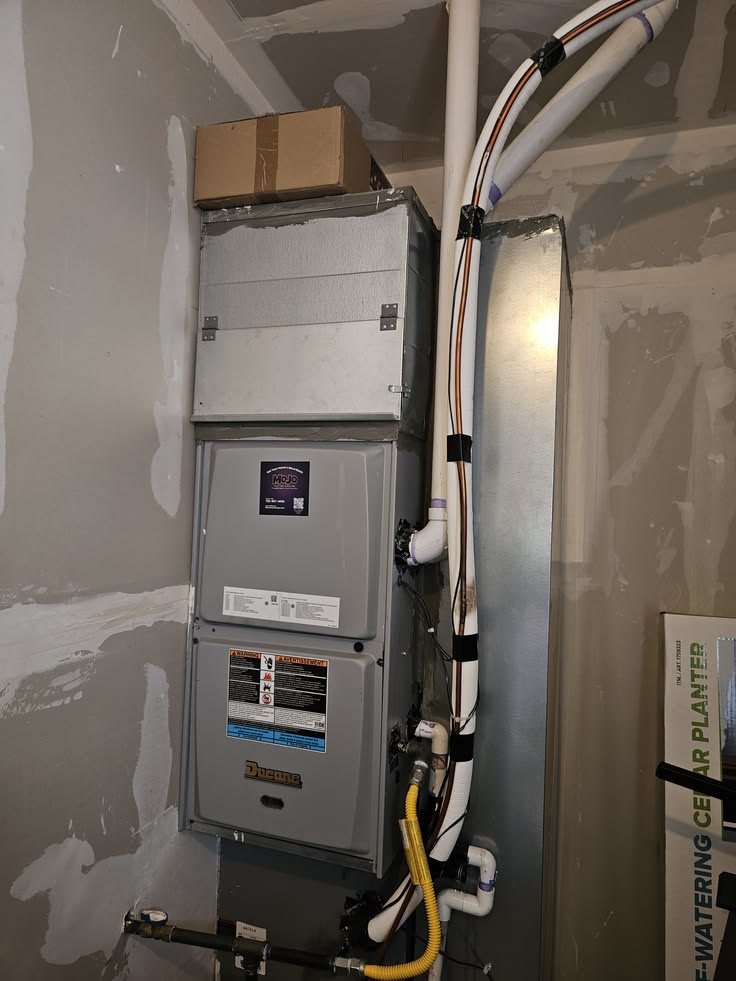
Gas appliances lose about 4% of rated output for every 1,000 feet above 2,000, which puts Lakewood at 14.1%. An 80,000 BTU furnace nameplate delivers roughly 68,700 BTU/hr here. The standard compensation is to specify a larger-input furnace — and the blower assembly comes with it, matched to a heating airflow rather than a cooling one. In a great many Lakewood homes an evaporator coil was later set on top of that cabinet. When cooling is weak and the refrigerant charge checks out clean, that blower-to-coil pairing is the next place we look.
Which parts fail most often on Lakewood air conditioners?
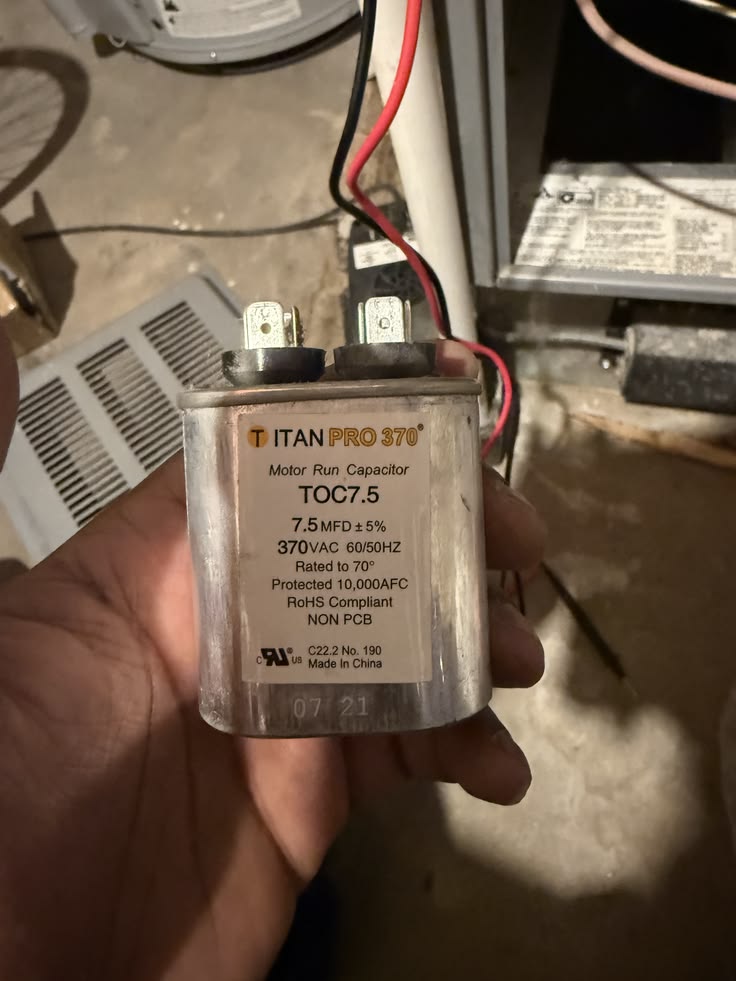
Across a city of 152,597 people the equipment ages vary enormously, but the failure order does not. Run capacitors drift out of tolerance first and account for more no-cool calls than anything else — a 45/5 microfarad capacitor measuring 38 has failed even though the unit still hums. Contactors pit and weld. Condenser fan motors go next, and at 5,518 feet a fan turning slowly has 15% thinner air to reject heat into, so head pressure climbs faster than the same fault would produce nearer sea level. Slow leaks at service valves and brazed joints round out the list.
How is refrigerant charge verified correctly at 5,518 feet?
By weight and by subcooling, not by pressure guesswork. Superheat charging on a fixed-orifice system depends on outdoor wet-bulb, and Lakewood's dry air puts wet-bulb well below what a sea-level charging chart assumes, which shifts the target superheat. On a TXV system we work to subcooling against the nameplate value and confirm the total charge. Since the 2025 refrigerant transition, newer equipment ships with R-454B instead of R-410A, so the first thing established on any Lakewood repair is which refrigerant the system actually holds and whether the recovery equipment and gauges on the truck match it.
What can a Lakewood homeowner check before calling?
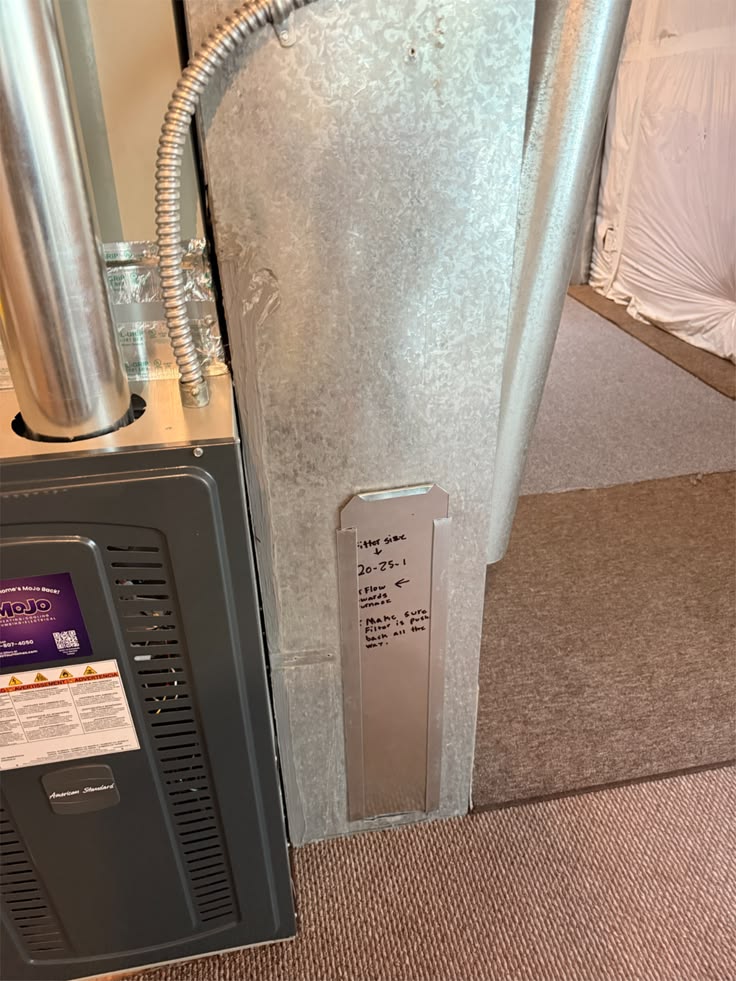
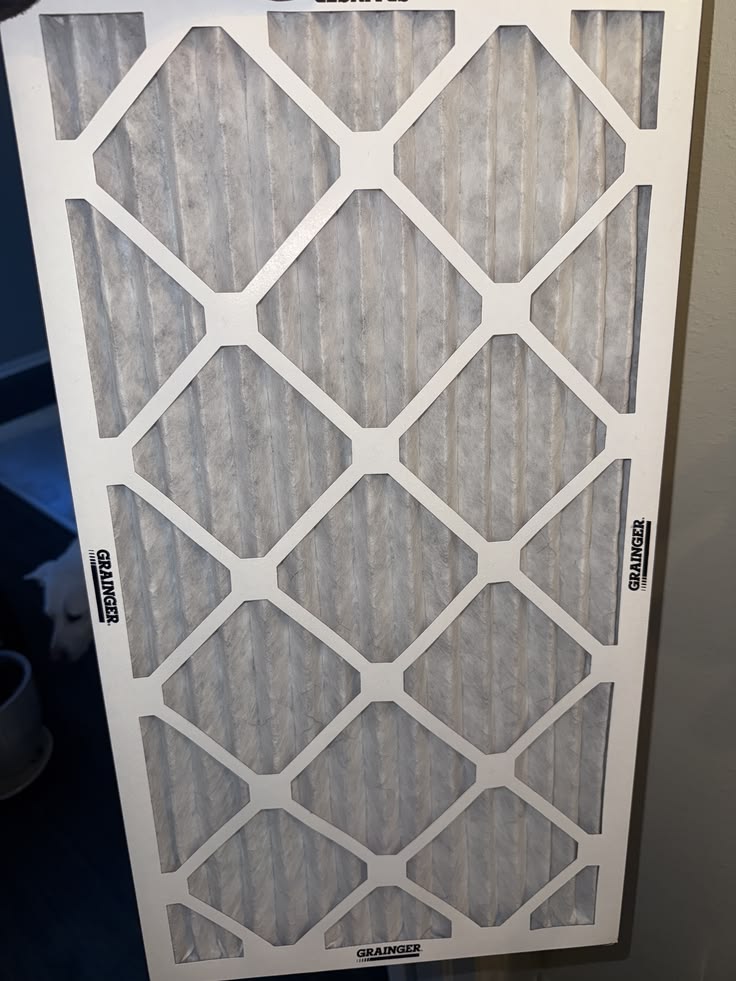
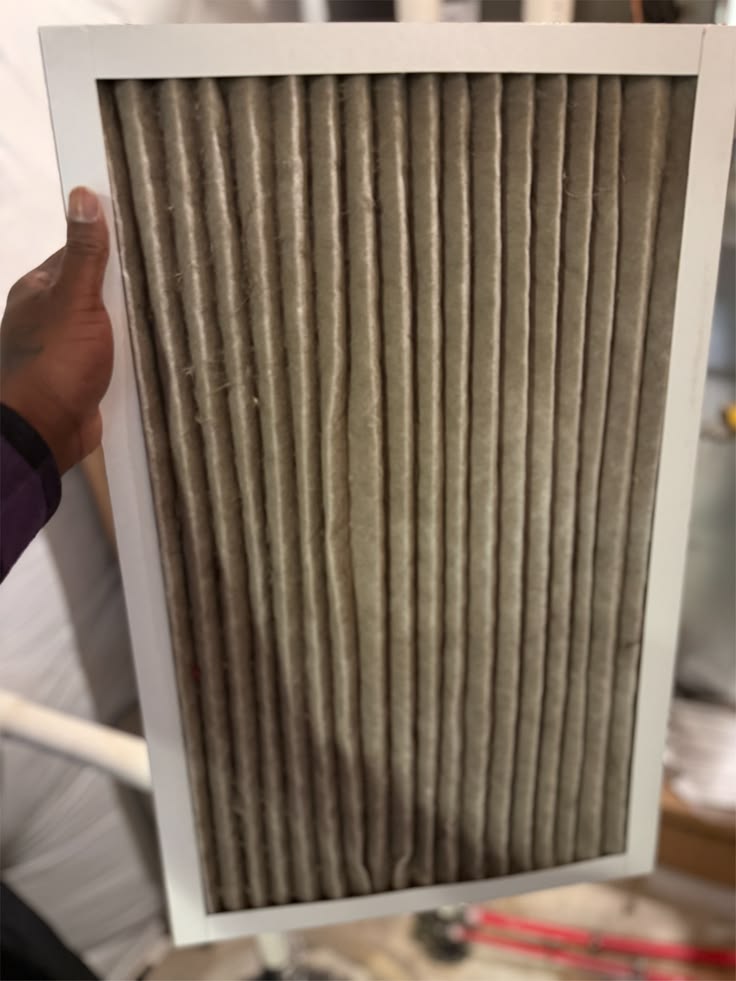
Four things, and they resolve a fair number of calls without a truck. Confirm the thermostat is calling for cooling and its batteries are good. Check the breaker and the pull-out disconnect at the outdoor unit, since a tripped breaker is a symptom worth reporting rather than resetting repeatedly. Look at the filter — a collapsed or clogged filter starves a coil faster at 5,518 feet than it would at sea level, because the coil already needs more volumetric airflow to move the same mass. Finally, look for ice on the copper suction line. If you find it, shut the system off at the thermostat, leave the fan running, and call before it turns into a liquid slug reaching the compressor.
Does air conditioning work in Lakewood need a permit?
Straight repairs do not — a capacitor, a contactor, a fan motor, a coil cleaning, a leak repair and recharge. A condenser change-out or a full system replacement is permitted work through the building authority serving Lakewood in Jefferson County, and the electrical disconnect and circuit sizing come along with it. If you are weighing repair against replacement, that step belongs in the comparison rather than being discovered afterward.
When is repairing the wrong call in a Lakewood home?
When the compressor is dead on an older R-22 system, when the evaporator leaks in more than one place, or when the equipment was sized from an uncorrected sea-level load calculation and has never actually held the house on a hot afternoon. That last case turns up more than it should here, because 5,518 feet costs the outdoor coil real capacity — it rejects heat into the same thin air the indoor blower is fighting. We measure the system before recommending either direction. We run the same corrections next door in Wheat Ridge, which sits 59 feet lower at 5,459 feet and 13.8%, and in Edgewater and Green Mountain.
Other Lakewood-area pages
We work AC repair in Wheat Ridge, AC repair in Edgewater, AC repair in Green Mountain out of the same dispatch.
If it is the other system acting up instead, start at furnace repair in Lakewood.
See AC repair for the service itself, or everything in Lakewood for everything we do there.

Lakewood
Home Of The $39 Diagnosis
Book your diagnostic today!
The $39 diagnostic service is a professional troubleshooting visit performed by a certified MoJo technician to identify the root cause of an HVAC issue.
Frequently Asked Questions
Why does elevation matter for AC repair in Lakewood?
Lakewood is at 5,518 feet, where air is about 15% less dense than at sea level. That changes the sensible-heat constant techs use from 1.08 to roughly 0.92, widens the expected temperature split across the evaporator, and reduces how much heat the outdoor condenser coil can reject. A diagnosis that skips the correction misreads healthy equipment as faulty.
Does Lakewood's 14.1% derate apply to the air conditioner itself?
No. The 14.1% figure is a combustion derate for gas appliances — 4% per 1,000 feet above 2,000 feet — so it applies to the furnace, not the compressor. Lakewood's altitude still reaches the AC two ways: thinner air carries less heat away from the condenser, and the larger furnace chosen to offset that 14.1% brings a blower matched to heating.
What temperature split should a healthy Lakewood air conditioner produce?
Wider than the sea-level 18-to-22-degree rule of thumb, because at 5,518 feet the same 1,200 CFM carries only about 1,020 CFM worth of mass. The split is meaningful only alongside measured airflow, static pressure, and subcooling. We take all four before touching the sealed system, since a wide split in Lakewood can be normal, low airflow, or low charge.
Do I need a permit to replace an air conditioner in Lakewood?
Repairs do not require one. Replacing a condenser or a full system in Lakewood is permitted work through the building authority for the city within Jefferson County, and it covers the equipment plus the electrical disconnect and circuit that serve it. MoJo Home Services files what the job requires as part of the work rather than leaving it to the homeowner.
Is a larger air conditioner the answer at Lakewood's altitude?
Usually not. Lakewood's cooling load is overwhelmingly sensible because the air is dry, so an oversized condenser short-cycles, never reaches steady state, and leaves rooms uneven. The better response to 15% thinner air at 5,518 feet is more airflow per ton — a blower speed, duct, and return-sizing conversation rather than a bigger outdoor unit.
MoJo Home Services
A note for our neighbors
Customers in Lakewood have moved across town, bought a different house, and called us again from the new address, which might be the kindest review anyone can leave. Thank you for taking us along with you, and for mentioning our AC repair work to whoever bought the old place.

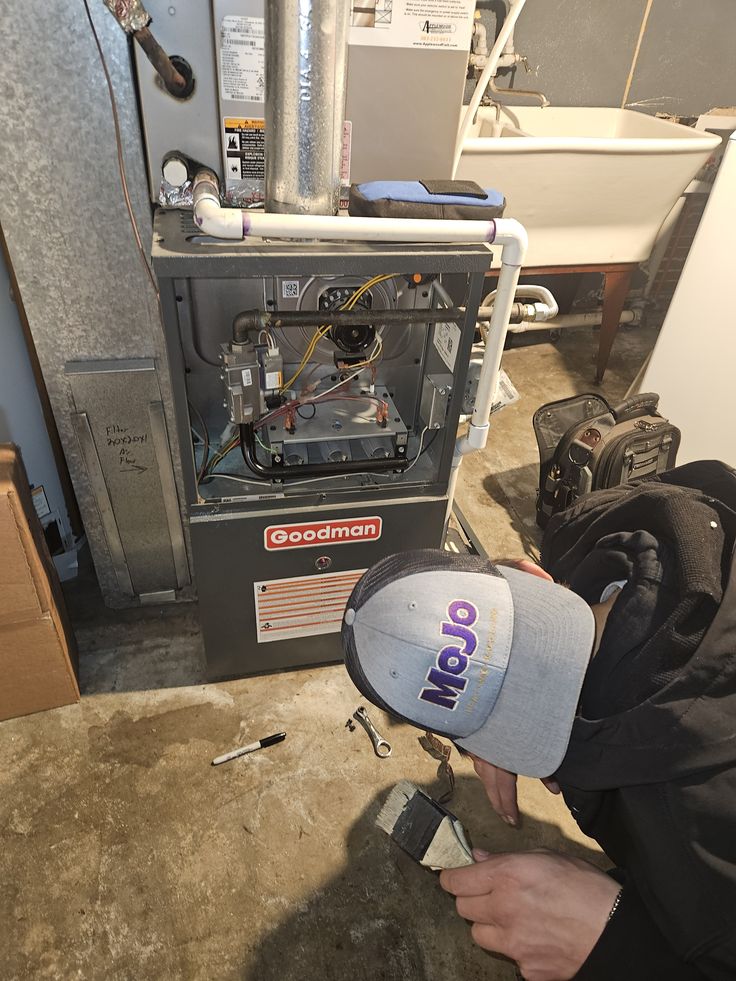
On the job
In
Lakewood
Share Your Experience
Thank you for supporting our local family business. If we did right by you, we'd love to hear about it on any site you use.
- Write a Google reviewQuick & easy
- Find us on YelpRead what neighbors said
- Review us on FacebookShare with friends
- Recommend us on NextdoorTell your neighbors


Your referrals and reviews not only mean so much to us, they also help the community know who to trust to Get their Home's MoJo Back!
Honest feedback is what we're after, good or bad. If something fell short, call us at the office first and we'll make it right.