
TL;DR
Air Purifiers and Humidity
Worried that an air purifier will dry out your already dry indoor air? This guide explains how purifiers actually work, what truly causes dry air in your home, and when a purifier might indirectly affect humidity, along with better solutions and tips for choosing the right unit.
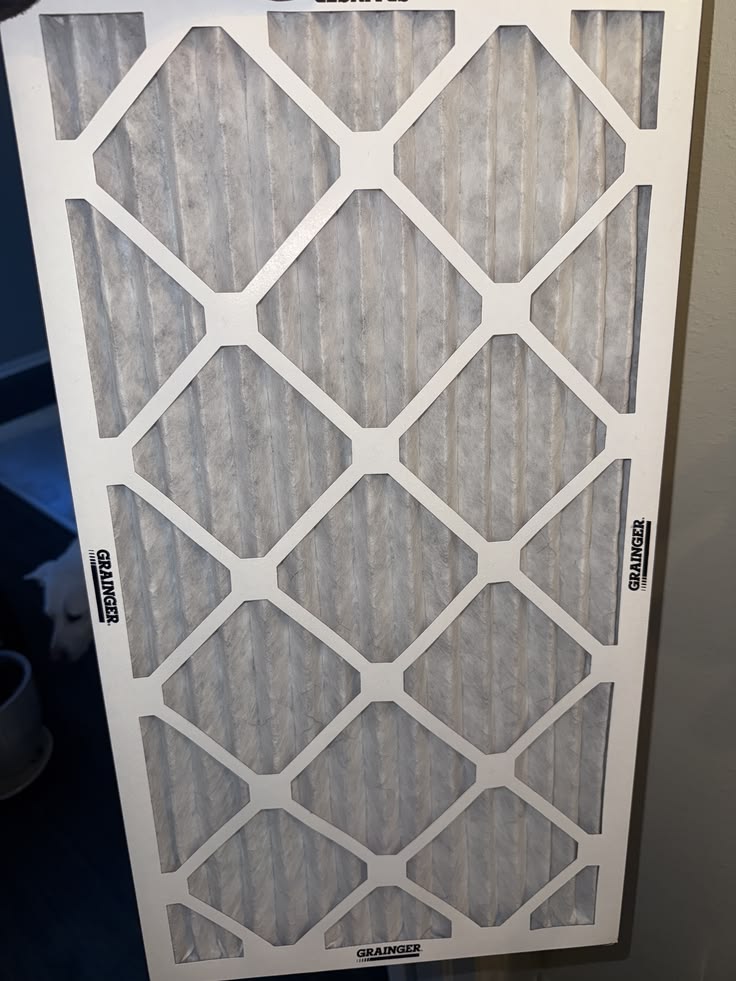
If you've been considering an air purifier for your Denver home, you might be wondering: do air purifiers dry indoor air? It's a valid concern, especially here in the Mile High City where our indoor humidity can drop to a bone-dry 10-20% during winter months. The short answer is that most air purifiers don't directly remove moisture from your air, but some types can have an indirect impact on humidity levels.
At 5,280 feet above sea level, Denver homeowners already battle extremely dry indoor air conditions year-round. Our semi-arid climate, combined with altitude-related atmospheric pressure changes, creates unique challenges for maintaining comfortable indoor humidity. Understanding how air purifiers work — and what actually causes dry air in your home — can help you make the right choice for your family's comfort and health.
Let's dive into the science behind air purification and humidity, so you can breathe easy about your decision.
How Air Purifiers Actually Work
Most residential air purifiers use one of several filtration methods, and understanding these technologies helps explain their relationship with humidity. HEPA filters, the gold standard for particle removal, work by forcing air through a dense mesh that traps particles as small as 0.3 microns. This mechanical filtration process doesn't alter the water vapor content of the air passing through.
Activated carbon filters absorb gases, odors, and volatile organic compounds through adsorption — a process where molecules stick to the carbon's porous surface. Again, this doesn't remove water molecules from the air. UV-C light purifiers kill bacteria, viruses, and mold spores using ultraviolet radiation, but they don't affect humidity levels either.
The confusion often comes from ionizing air purifiers, which release negative ions that attach to airborne particles, making them heavier so they settle out of the air. Some ionizers can produce small amounts of ozone as a byproduct, but even this doesn't directly remove moisture from your indoor air.
However, there's one important exception: whole-house air purification systems integrated with your HVAC system can indirectly affect humidity by increasing air circulation, which may cause existing dry air to feel even drier against your skin.
What Actually Causes Dry Air in Denver Homes
Before blaming your air purifier, let's identify the real culprits behind dry indoor air in Westminster and Arvada homes. Denver's unique geography and climate create perfect conditions for low humidity, and most of these factors have nothing to do with air purification.
Our semi-arid climate naturally produces dry outdoor air, especially during winter when cold air holds less moisture. When your furnace heats this already-dry outdoor air to comfortable indoor temperatures, the relative humidity drops dramatically. It's basic physics — warm air can hold more moisture than cold air, so heating dry air without adding moisture creates desert-like conditions indoors.
Denver's altitude compounds this problem. At 5,280 feet, atmospheric pressure is about 17% lower than at sea level, which affects how moisture behaves in the air. This is why many homeowners in Highlands Ranch and Parker notice that humidifiers they used at lower elevations don't seem as effective here.
Your home's heating system is likely the biggest factor in dry indoor air. Forced-air furnaces, which are common in Denver Metro homes, constantly circulate heated air that hasn't been humidified. If you're experiencing persistent dry air issues, our heating maintenance services can help identify whether your system needs humidity solutions integrated with your HVAC equipment.
When Air Purifiers Can Indirectly Affect Humidity
While most air purifiers don't remove moisture from your air, certain situations can make existing dry air problems feel worse. Understanding these scenarios helps explain why some Denver homeowners notice increased dryness after installing air purification systems.
Increased air circulation is the primary factor. Air purifiers that move large volumes of air can accelerate evaporation from your skin, eyes, and respiratory passages, making low humidity more noticeable. If your indoor humidity is already below 30%, the additional air movement can make your home feel uncomfortably dry.
Some ozone-generating air purifiers (which we don't recommend for home use) can react with water vapor in specific conditions, but this effect is minimal and these units pose other health risks. The EPA advises against using ozone generators in occupied spaces due to potential respiratory irritation.
Placement matters too. Air purifiers positioned near heat sources or in direct sunlight may create localized air currents that increase the sensation of dryness in that area. This is particularly noticeable in rooms with large windows facing south or west, where Denver's 300+ days of sunshine can create hot spots.
If you're dealing with dry air issues that seem worse after installing an air purifier, the solution isn't necessarily removing the purifier. Instead, consider the comprehensive approach we discuss in our guide to preparing your HVAC system for Colorado's weather, which includes humidity management strategies.
Denver's Unique Humidity Challenges
Living at the Mile High altitude creates specific indoor air quality challenges that affect how you should approach both air purification and humidity control. Denver's dry climate means we start with outdoor air that often contains very little moisture, especially during our long, sunny winters.
During temperature inversion events — common in Denver's bowl-shaped geography — pollutants get trapped near ground level while the air becomes even drier. These brown cloud days often prompt homeowners to run air purifiers more frequently, but they're also when indoor humidity typically drops to its lowest levels of the year.
Wildfire smoke season, usually from July through October, presents another unique challenge. Many Lakewood and Golden residents run air purifiers continuously during smoke events, but this is also when outdoor humidity levels can fluctuate dramatically. Smoke particles can actually carry moisture, so paradoxically, some of the worst air quality days might have slightly higher humidity than crystal-clear winter days.
Our cottonwood season in May and June creates different conditions entirely. The cotton-like seeds that blanket Denver carry some moisture and can clog both air purifier filters and outdoor HVAC units. This is when many homeowners first notice whether their air purification system is working effectively. We cover this seasonal challenge in detail in our guide to cottonwood season HVAC preparation.
Better Solutions for Denver's Dry Air Problems
If dry air is your primary concern, there are more effective solutions than worrying about whether your air purifier is making things worse. Whole-house humidifiers integrated with your HVAC system provide consistent moisture throughout your entire home, automatically adjusting to maintain ideal humidity levels between 30-50%.
Steam humidifiers work particularly well in Denver because they're not affected by our low atmospheric pressure the way evaporative models can be. These systems create steam using electricity or gas, then inject the vapor directly into your ductwork where it's distributed with your heated air.
Bypass and fan-powered humidifiers are more budget-friendly options that work with your existing furnace. They add moisture to the air as it passes through your heating system, though they're only active when your furnace is running. For many Centennial and Aurora homeowners, these provide adequate humidity control during Denver's heating season.
Our humidifier installation services include proper sizing calculations based on your home's square footage, insulation levels, and Denver's specific climate conditions. At 5,280 feet, humidifiers often need to be sized differently than they would be at sea level.
Don't overlook simple maintenance steps either. Replacing your HVAC filters regularly — especially important during cottonwood season and wildfire smoke events — ensures proper airflow that can help both your air purifier and humidifier work more effectively.
Choosing the Right Air Purifier for Denver Homes
When selecting an air purifier for your Denver home, humidity considerations should be part of your decision-making process, but they shouldn't be the primary factor. Focus first on the specific air quality challenges you're trying to address: allergens, wildfire smoke, pet dander, or general dust and particles.
HEPA filtration systems remain the most effective choice for particle removal and won't affect your indoor humidity levels. Look for units with True HEPA filters that capture 99.97% of particles 0.3 microns or larger. These handle everything from pollen during Denver's spring allergy season to fine particulate matter from distant wildfires.
For homes dealing with odors or chemical pollutants, activated carbon filters combined with HEPA filtration provide comprehensive air cleaning without moisture removal. This combination is particularly effective for Congress Park and RiNo residents who may deal with urban air quality challenges alongside natural allergens.
Whole-house air purification systems integrated with your HVAC equipment offer the advantage of treating all the air in your home, not just individual rooms. These systems work alongside your existing heating and cooling equipment, and when properly installed, they don't create the air circulation patterns that might make dry air feel worse.
Size your air purifier appropriately for your space. An oversized unit running at high speeds can create excessive air movement, potentially making existing dry air conditions more noticeable. Our team can help you determine the right capacity during a comprehensive HVAC assessment.
Your Local Indoor Air Quality Partner in Denver
Understanding the relationship between air purification and humidity is just one piece of creating a comfortable, healthy indoor environment in your Denver Metro home. Our NATE-certified technicians have helped thousands of homeowners throughout Westminster, Arvada, and the surrounding communities find the right balance of clean air and proper humidity levels.
With 16+ years of experience serving the unique challenges of Denver's altitude and climate, we know that cookie-cutter solutions don't work at 5,280 feet. Whether you need comprehensive indoor air quality solutions or want to integrate humidity control with your existing HVAC system, we provide personalized recommendations based on your specific home and family needs.
Don't let concerns about dry air prevent you from enjoying the benefits of cleaner indoor air. Contact our team at (720) 807-4050 to schedule a consultation where we can assess your current indoor air quality, humidity levels, and recommend the best combination of solutions for your Denver home. We're here to help you breathe easier in every season.

Sources & References
U.S. Environmental Protection Agency - Ozone Generators that are Sold as Air Cleaners, 2023
ENERGY STAR - Air Cleaners and Indoor Air Quality, 2023
American Society of Heating, Refrigerating and Air-Conditioning Engineers, ASHRAE Standard 62.2 Ventilation Guidelines, 2022
U.S. Department of Energy - Maintaining Your Home's Humidity, 2023
National Institute for Occupational Safety and Health, Indoor Air Quality Guidelines, NIOSH Publication, 2022
Xcel Energy Colorado - Home Energy Efficiency Programs, 2023
Need expert indoor air quality solutions in Denver? MoJo Home Services provides professional air purification and humidity control services throughout the Denver Metro Area. Contact us at 4000 Newman St, Wheat Ridge, CO 80033 or call (720) 807-4050 for personalized indoor air quality assessments.
Frequently Asked Questions
Will an air purifier make my air feel dry in Denver?
Most air purifiers don't remove moisture from your air, but they can make existing dry air conditions more noticeable through increased air circulation. In Denver's naturally arid climate, where indoor humidity often drops below 20% in winter, the air movement from purifiers might make dryness more apparent. The solution is adding a humidifier, not removing the air purifier, since clean air and proper humidity both contribute to healthy indoor environments.
Would an air purifier help my COPD in Denver's altitude?
Air purifiers can significantly help COPD symptoms by removing airborne irritants like dust, pollen, and particulate matter that can trigger breathing difficulties. At Denver's 5,280-foot elevation, where air pressure is lower and some people experience more respiratory stress, reducing indoor air pollutants becomes even more important. Choose a HEPA filter system that removes particles down to 0.3 microns, and consider models with activated carbon for odor and chemical removal.
What's the best air purifier for cancer patients in Denver?
Cancer patients undergoing chemotherapy need the most comprehensive air cleaning possible, as their immune systems are compromised. Look for medical-grade HEPA filtration combined with UV-C sterilization to eliminate both particles and pathogens. Avoid ozone-generating purifiers entirely, as these can irritate sensitive respiratory systems. Consider whole-house systems integrated with your HVAC to ensure clean air throughout your home without creating drafts that might be uncomfortable during treatment.
Is there a downside to using air purifiers in Denver homes?
The main downsides are increased electricity costs, filter replacement expenses, and potential noise from the fan motor. In Denver's dusty environment, particularly during cottonwood season and wildfire smoke events, filters may need more frequent replacement than manufacturer recommendations suggest. Some people also find the white noise helpful for sleep, while others find it disruptive. Overall, the benefits of cleaner air typically outweigh these minor inconveniences.
How does Denver's altitude affect air purifier performance?
Denver's 5,280-foot elevation means lower air density, which can slightly reduce the efficiency of air purifiers that rely on airflow dynamics. However, this effect is minimal with quality HEPA systems. More importantly, Denver's unique air quality challenges — from wildfire smoke to temperature inversions — make air purification more valuable here than in many other cities. Choose purifiers rated for slightly larger spaces than you have to compensate for altitude effects.
Should I run my air purifier and humidifier at the same time?
Absolutely. Air purifiers and humidifiers serve different purposes and work well together, especially in Denver's dry climate. The air purifier removes contaminants while the humidifier adds necessary moisture. Just ensure proper placement — keep them a few feet apart to avoid the humidifier's moisture affecting the air purifier's sensors or filters. Many Denver homeowners find this combination essential for year-round comfort and health.
Related Resources


