TL;DR
Spring HVAC Prep
Spring's unpredictable weather makes it the perfect time to prepare your air conditioner for summer. This guide covers a full inspection checklist, filter replacement, and thermostat programming for variable weather, plus professional maintenance and how to get ahead of cottonwood season before it clogs your system.
Spring in Denver means unpredictable weather—one day it's 70°F and sunny, the next brings a surprise snowstorm. At 5,280 feet above sea level, your air conditioning system faces unique challenges that require specific preparation before the summer heat arrives. After 16+ years serving the Denver Metro Area, our NATE-certified technicians have learned that proper spring AC preparation can prevent costly breakdowns and ensure your system runs efficiently through Colorado's intense summer months.
The Mile High City's semi-arid climate and dramatic altitude differences mean your AC works harder than systems at sea level. Lower air pressure affects refrigerant performance, while Denver's 300+ days of sunshine and sudden temperature swings stress components year-round. Smart homeowners in Westminster and Arvada know that spring prep isn't just changing filters—it's a comprehensive approach to handling Denver's unique environmental challenges.
Here's exactly how to prep your AC for spring in Denver, from basic DIY steps to professional maintenance that ensures your system handles everything from cottonwood invasions to summer heatwaves.
Essential Spring AC Inspection: What Denver Homeowners Should Check
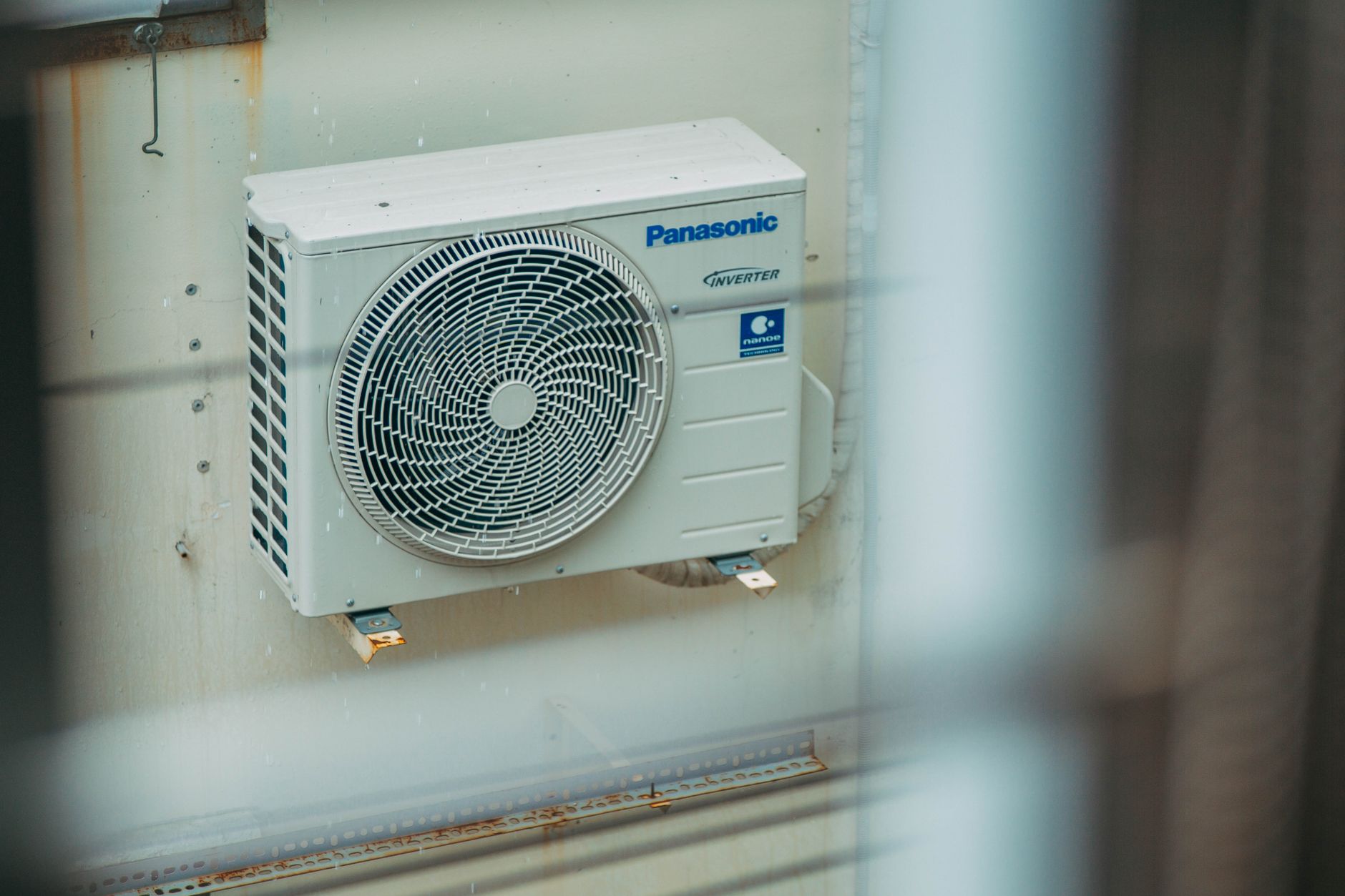
Before calling professionals, start with a visual inspection of your outdoor unit. Winter in Colorado brings freeze-thaw cycles, ice damage, and debris accumulation that can seriously impact performance. Walk around your condenser unit and look for obvious signs of damage: bent fins, loose panels, or ice damage from snow and hail.
Check the area around your unit for winter debris. Highlands Ranch homeowners often find tree branches, leaves, and even small animals that sought shelter during cold snaps. Clear everything within a 2-foot radius of the unit—this clearance is crucial for proper airflow at Denver's altitude, where thinner air already challenges cooling efficiency.
Examine the refrigerant lines running from your outdoor unit to your home. Look for any obvious damage, loose insulation, or signs of refrigerant leaks (oily spots or ice buildup in warm weather). These copper lines are particularly vulnerable to expansion and contraction from Denver's temperature swings, which can range 40-50°F in a single day during spring.
Don't forget your indoor components. Check vents throughout your home for blockages—furniture moved during winter, holiday decorations stored improperly, or pet hair accumulation can restrict airflow. Poor indoor airflow forces your system to work harder, especially problematic at altitude where air density is already 17% lower than at sea level.
Filter Replacement and Air Quality Prep for Denver's Spring Conditions
Denver's spring air quality presents unique challenges that make filter maintenance critical. Cottonwood season typically runs from late April through June, coating outdoor units and overwhelming standard filters. The white fluffy seeds can completely block condenser coils and create a fire hazard when they accumulate around electrical components.
Replace your air filter with a MERV 8-11 rated filter before spring really kicks in. Higher MERV ratings (13+) might seem better, but they can restrict airflow in older systems, forcing your AC to work harder in Denver's thin air. If you haven't changed your filter since fall, it's definitely time—dirty filters reduce efficiency by 5-15% and can cause your system to freeze up more easily at altitude.
Consider upgrading to a pleated filter designed for high-allergen environments. Denver's dry spring air carries more dust and pollen, while wildfire season often starts early with smoke from distant fires. A quality filter protects both your system and your indoor air quality during Colorado's notoriously challenging spring weather patterns.
For homes in Aurora or Centennial with pets or family members who have allergies, spring is an excellent time to discuss indoor air quality solutions that go beyond basic filtration. UV lights and advanced air purification can make a significant difference during Denver's high-pollen spring months.
Thermostat Settings and Programming for Denver's Variable Spring Weather
Denver's spring weather demands a flexible approach to thermostat programming. Traditional "set it and forget it" schedules don't work when outdoor temperatures can swing from 30°F to 75°F in 24 hours. Smart thermostat programming becomes essential for both comfort and energy efficiency during Colorado's unpredictable spring season.
Start by setting your cooling threshold around 78°F for spring operation. This allows your system to handle sudden warm spells without running constantly during cooler periods. Denver's low humidity (often 10-20% in spring) means you'll feel comfortable at higher temperatures than in more humid climates—take advantage of this natural benefit.
Program different schedules for weekdays and weekends, but build in flexibility for Denver's weather patterns. A WiFi thermostat allows you to adjust settings remotely when weather forecasts change—crucial during spring when a sunny morning can turn into an afternoon thunderstorm or late-season snow.
Consider the "shoulder seasons" programming approach: set wider temperature ranges (maybe 72-80°F) that allow natural temperature fluctuations without constant system cycling. This reduces wear on your equipment and takes advantage of Denver's natural temperature swings and excellent solar heating during the day.
Don't forget about altitude-related factors when setting your thermostat. At 5,280 feet, your AC's refrigerant operates differently than at sea level, often requiring slightly different temperature management to maintain efficiency. Our experience with Denver HVAC seasonal preparation shows that systems perform best with gradual temperature changes rather than dramatic setpoint adjustments.
Professional Spring AC Maintenance: What Denver's Climate Demands
While DIY preparation is important, Denver's unique climate conditions require professional attention to details that homeowners often miss. Our NATE-certified technicians understand how altitude, UV exposure, and temperature extremes affect AC performance in ways that don't apply to systems in other climates.
Professional spring maintenance starts with refrigerant system analysis. At Denver's altitude, refrigerant pressures and temperatures operate outside "normal" ranges found in sea-level cities. Technicians need specialized knowledge to properly evaluate system performance and make necessary adjustments for optimal efficiency at 5,280 feet.
Electrical connections require special attention in Denver due to dramatic temperature swings and low humidity. Connections can loosen from thermal expansion and contraction, while dry air increases static electricity risks. Professional maintenance includes tightening all electrical connections and testing system operation under varied load conditions.
Condenser coil cleaning is particularly crucial before cottonwood season hits. Professional cleaning removes winter buildup and prepares coils for the annual cottonwood invasion that can reduce efficiency by 30% or more. Many homeowners in Lakewood and Wheat Ridge schedule this service specifically timed for late March or early April, just before peak cottonwood release.
A comprehensive professional tune-up also includes calibrating your system for Denver's summer demands. This means checking refrigerant levels, testing safety controls, lubricating moving parts, and ensuring your system can handle both the intense UV exposure and sudden temperature drops that characterize Colorado summers. For more details on what this service includes, check out our guide to Denver HVAC spring tune-ups.
Preparing for Cottonwood Season and Denver's Summer Challenges
Cottonwood season is Denver's unique AC challenge that requires specific preparation. These fluffy white seeds typically peak in May and early June, creating conditions that can overwhelm unprepared cooling systems. The seeds stick to condenser coils, block airflow, and create fire hazards when they accumulate around outdoor units.
Before cottonwood season arrives, consider installing a condenser coil guard or pre-filter system. These mesh barriers catch cottonwood seeds before they reach your coils, making cleanup much easier. However, be careful about airflow restriction—any barrier must allow adequate air movement for your system to operate efficiently at Denver's altitude.
Plan for increased maintenance during cottonwood season. You'll likely need to rinse your outdoor coils weekly or bi-weekly during peak periods, and indoor filters may need more frequent replacement. Keep a garden hose handy and learn the proper technique for cleaning coils without damaging the delicate fins.
Stock up on replacement filters before cottonwood season peaks. Many hardware stores in the Denver area run out of popular sizes during the worst cottonwood weeks. Having extra filters on hand prevents the system damage that occurs when clogged filters force your AC to work harder in already-challenging altitude conditions.
Don't underestimate the fire risk during dry spring conditions. Cottonwood accumulation around outdoor units, combined with Colorado's low humidity and intense UV exposure, creates serious fire hazards. Regular cleaning isn't just about efficiency—it's about safety. Our detailed guide on handling Denver's cottonwood invasion provides specific cleaning techniques and safety precautions for this unique seasonal challenge.
Energy Efficiency Upgrades for Spring: Preparing for Summer Costs
Spring is the ideal time to consider energy efficiency upgrades before summer cooling costs peak. Denver's intense sunshine and dramatic temperature swings can drive cooling costs 40-60% higher than in more moderate climates, making efficiency improvements particularly valuable for local homeowners.
If your system is over 10 years old, spring is the perfect time to evaluate whether repairs or replacement make more financial sense. Our comprehensive guide on repair vs. replacement decisions helps Denver homeowners understand when upgrading becomes cost-effective, especially given the unique performance demands of our altitude and climate.
Consider upgrading to a SEER2 16+ system designed for high-altitude operation. These newer units are specifically engineered to handle the challenges of Denver's climate: lower air pressure, intense UV exposure, and dramatic temperature swings. While the initial investment is significant, the energy savings over a Colorado summer can be substantial.
Ductless mini-split systems are increasingly popular in Denver for their efficiency and zone control capabilities. They're particularly effective for homes in Cherry Creek or Park Hill where room-by-room cooling needs vary dramatically. Our ductless HVAC solutions can provide efficient cooling while avoiding the energy losses common in traditional ducted systems.
Don't overlook smaller efficiency upgrades that provide immediate benefits. Programmable thermostats, improved insulation around refrigerant lines, and upgraded air sealing can reduce cooling costs by 10-20% with relatively modest investments. These improvements are particularly effective in Denver, where every efficiency gain helps combat the extra work required at our altitude.
Your Local Spring AC Preparation Partner in Denver
Preparing your AC for spring in Denver requires more than basic maintenance—it demands understanding of altitude effects, seasonal challenges, and Colorado's unique climate patterns. Our 16+ years of experience serving homeowners throughout the Denver Metro Area has taught us exactly what works in our Mile High environment.
As NATE-certified and EPA-certified professionals, we understand the technical requirements of AC operation at 5,280 feet. From Thornton to Littleton, we've helped thousands of Denver homeowners prepare their systems for everything from cottonwood invasions to sudden heatwaves. Our BBB accreditation reflects our commitment to reliable service and customer satisfaction.
Don't wait until the first 90°F day to discover your AC isn't ready for Denver's summer challenges. Contact our team today to schedule your comprehensive spring AC preparation service. We'll ensure your system is properly calibrated for altitude, ready for cottonwood season, and prepared to keep you comfortable through Colorado's demanding summer months. Call us at (720) 807-4050 or visit us at 4000 Newman St, Wheat Ridge, CO 80033 to get started.

Sources & References
U.S. Department of Energy - Air Conditioning Energy Efficiency Guidelines, 2024
EPA - Residential Air Cleaners and Filtration, 2023
ENERGY STAR - Central Air Conditioning Efficiency Standards, 2024
Xcel Energy Colorado, Home Energy Efficiency Programs, Customer Resources Division, 2024
NATE - High Altitude HVAC Installation Guidelines, Certification Standards, 2023
ACCA Manual J, Residential Load Calculation Standards, Air Conditioning Contractors of America, 2023
Need expert AC preparation in Denver? MoJo Home Services provides professional heating and cooling services throughout the Denver Metro Area. Contact us at 4000 Newman St, Wheat Ridge, CO 80033 or call (720) 807-4050 for same-day service.
Frequently Asked Questions
What temperature should I set my AC on for spring in Denver?
For Denver's spring weather, set your AC to around 78°F during the day. Denver's low humidity (often 10-20%) means you'll feel comfortable at higher temperatures than in humid climates. Use a wider temperature range like 72-80°F to accommodate the city's dramatic daily temperature swings without constantly cycling your system. Consider a programmable thermostat to automatically adjust for Denver's unpredictable spring weather patterns.
What is the 3 minute rule for AC systems?
The 3-minute rule means waiting at least 3 minutes between turning your AC off and back on again. This allows refrigerant pressures to equalize throughout the system, preventing compressor damage. At Denver's 5,280-foot altitude, this rule becomes even more important because refrigerant operates under different pressure conditions than at sea level. Always wait the full 3 minutes to protect your compressor, especially after power outages or thermostat adjustments.
What is the $5000 rule for HVAC systems?
The $5000 rule is a guideline for repair vs. replacement decisions: multiply your system's age by the repair cost estimate. If the result exceeds $5000, replacement often makes more financial sense. For example, a 12-year-old system needing $450 in repairs equals $5400, suggesting replacement consideration. In Denver's challenging climate with intense UV exposure and altitude stress, this rule helps homeowners make smart financial decisions about aging HVAC equipment.
How does Denver's altitude affect my AC preparation?
At 5,280 feet, Denver's thin air contains 17% less oxygen than at sea level, affecting your AC's performance significantly. Lower air pressure changes how refrigerant operates, often requiring systems to work harder for the same cooling effect. Professional spring preparation includes checking refrigerant levels and pressures specifically calibrated for altitude operation, ensuring your system operates efficiently despite the thinner air conditions.
When should I schedule AC maintenance before cottonwood season?
Schedule your professional AC maintenance in late March or early April, before Denver's cottonwood season peaks in May and June. This timing allows technicians to thoroughly clean your condenser coils and prepare your system for the annual cottonwood invasion. Early maintenance also ensures your system is ready for sudden spring heatwaves while avoiding the busy season when HVAC companies are overwhelmed with emergency calls.
Is AC beneficial for people with blood pressure concerns?
Yes, properly maintained AC can benefit people with blood pressure concerns by maintaining consistent indoor temperatures and reducing heat stress. Denver's intense sunshine and sudden temperature swings can stress cardiovascular systems, making reliable cooling important for health. However, ensure your AC system includes proper humidity control and air filtration, as Denver's dry air and seasonal allergens can also affect blood pressure and overall comfort.
Related Resources