TL;DR
Heating & Cooling
The 20-degree rule explains why your air conditioner can only cool your home so far below the outdoor temperature, and why it may seem to struggle on the hottest days. This guide pairs that principle with a practical five minute reset sequence, the common causes of AC failure, and clear guidance on when to stop troubleshooting and call a professional.
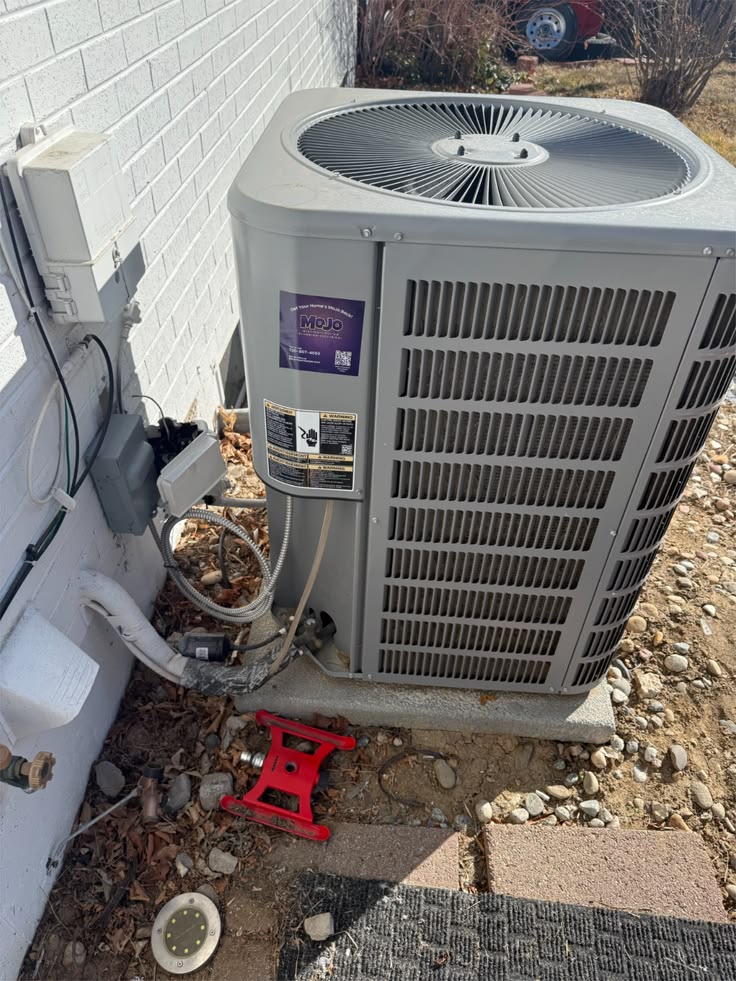
It's 91°F outside, it's the middle of summer, and your air conditioner just stopped working. Before you spend 45 minutes on hold with an HVAC company, or pay an emergency after-hours service fee, there are five quick checks every homeowner should run first. Most AC failures follow one of a small number of common causes, and several of them resolve with a systematic reset that takes under five minutes. At MoJo Home Services, this is the exact sequence our technicians walk through when they arrive at a home, and we'd rather you know it too, because catching a tripped breaker or a thermostat set to "fan only" before you call us saves everyone time. This guide covers the full reset sequence, the six most common causes of AC failure, the warning signs that mean you should stop troubleshooting and call immediately, and how to keep your home livable while you wait for service.
The 5-Minute Reset Sequence Rule: Before assuming major failure, work through a systematic 5-step reset. Thermostat → Circuit breaker → Outdoor disconnect → Indoor air handler switch → 30-minute wait. If the system still won't run after this sequence, the cause requires professional diagnosis.
The 5-Minute Reset Sequence: Start Here
Work through these five steps in order. Each one takes less than a minute, and any one of them can be the entire reason your system stopped.
Check the thermostat. Confirm it is set to "cool" mode, not "fan only" or "off." Verify the set temperature is at least 3 to 5°F below the current room temperature. If the room is already at or below the set point, the system is working correctly. Replace thermostat batteries if the display looks dim.
Check both circuit breakers. Your AC system has two breakers, one for the indoor air handler and one for the outdoor condenser. Flip them completely off first, then back on. If it trips again immediately, stop. Do not reset it a second time. That indicates an electrical problem requiring a professional.
Check the outdoor disconnect. A metal box mounted near your outdoor condenser contains a pull-out disconnect block or switch. Verify it is fully seated and in the "on" position.
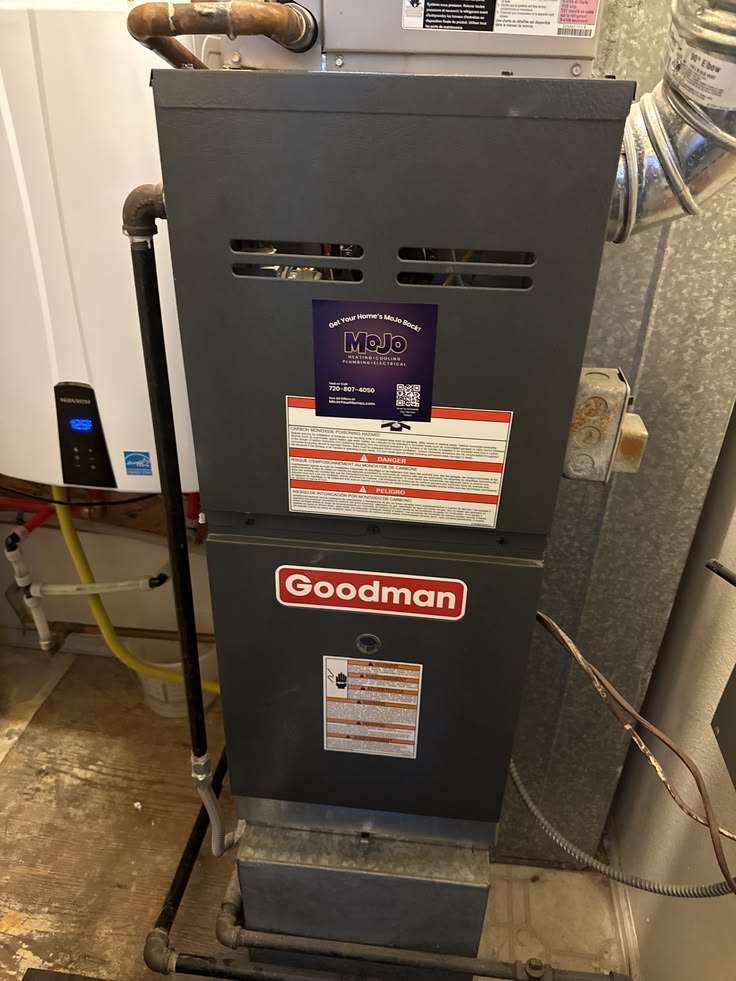
Find the indoor air handler power switch. Like a furnace, the indoor air handler has a dedicated power switch that resembles a light switch. Make sure it hasn't been accidentally switched off.
Wait 30 full minutes before expecting a restart. Modern AC systems have built-in time-delay protections. This protects the compressor from damaging pressure equalization.
Quick self-check: After completing all five steps and waiting 30 minutes, does the system start and run but still not cool adequately? That points to one of the six causes below.
Common Causes of AC Failure
If the reset sequence didn't resolve the problem, the cause is almost certainly one of the following.
Cause | Common Symptoms | Fix Type |
|---|---|---|
Tripped pressure switch | System shuts off in peak heat; outdoor unit coated in debris | DIY Possible |
Frozen evaporator coil | Ice on refrigerant lines; weak airflow; water dripping | DIY First Step |
Failed capacitor | Outdoor unit hums but doesn't start; fan sluggish | Professional Only |
Clogged condensate drain | System shuts off; standing water in drain pan | DIY Possible |
Low or lost refrigerant | Cool but not cold air; coil icing over; hissing sounds | Professional Only |
Dirty condenser coil | System shuts off during peak heat; low efficiency | DIY Possible |
1. Tripped High-Pressure or Low-Pressure Safety Switch
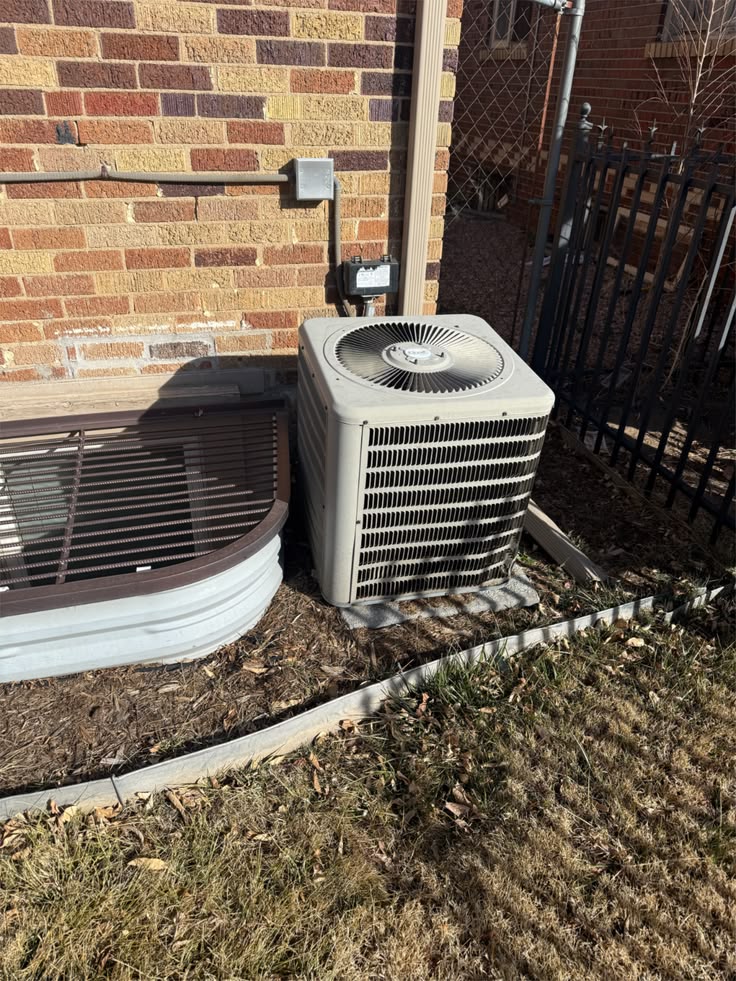
High outdoor temperatures cause head pressure to spike, especially when the condenser coil is packed with cottonwood seeds. If your outdoor unit is visibly coated in debris, turn off the system, cut power, and gently rinse the coil with a garden hose from top to bottom.
Pro Tip: Rinse only, never use a pressure washer on condenser fins. High-pressure water bends the aluminum fins and permanently reduces airflow efficiency.
2. Frozen Evaporator Coil
Symptoms include weak airflow or ice visible on refrigerant lines. If you suspect a frozen coil: switch the system to "fan only" mode and allow it to thaw completely. Replace the air filter immediately. If the coil freezes again within a day, you likely have low refrigerant.
3. Failed Capacitor
The capacitor provides the electrical surge that starts both the compressor and fan motors. Do not attempt to test or replace a capacitor yourself. Capacitors store lethal electrical charges even after power is cut.
4. Clogged Condensate Drain Line
When the line clogs with algae, systems trigger a float switch that shuts cooling off entirely. Check for standing water in the drain pan beneath the indoor unit. If water is present, the drain line is clogged.
5. Low or Lost Refrigerant
Refrigerant is not consumed; if it's low, there is a leak. Locating and repairing the leak requires a licensed technician. Note: R-410A is being phased out, making recharges for older systems progressively more expensive.
6. Dirty Condenser Coils
Wind and dust cause condenser coils to foul over time. Keep these clean to maintain heat transfer efficiency.
When to Stop Troubleshooting and Call Immediately
The circuit breaker trips again immediately after a single reset.
Grinding, banging, clanking, or loud rattling from the outdoor unit.
A burning electrical smell from any component.
Refrigerant lines are coated in ice after running for hours.
System runs for 2+ hours without reducing temperature at all.
Visible water damage or ceiling staining.
Managing Heat While You Wait for Service
Block Solar Gain Early: Close blinds on south and west-facing windows by 10 a.m.
Use Ceiling Fans Correctly: Set fans to counterclockwise rotation to create a wind chill effect.
Use Your Basement: Basements stay 10 to 15°F cooler than upper floors.
Eliminate Indoor Heat: Avoid using the oven, dishwasher, or clothes dryer.
Note: A large day-to-night temperature swing makes nighttime ventilation unusually effective. Open windows after sunset to flush accumulated heat.
How to Prevent This Situation Next Summer
A spring tune-up catches the capacitor, coil buildup, and drain clogs before they become failures.
Spring Tune-Up Cost: $120 to $180 (Preventive)
Emergency July Call Cost: $500 to $1,200 (Reactive)
Once your system is confirmed to be running correctly, the next question is usually how long the house will actually take to cool off. We break that down in our guide on how long it takes for a house to cool down.

Sources & References
U.S. Department of Energy — "Maintaining Your Air Conditioner", 2024
U.S. Environmental Protection Agency — "Section 608 Regulations", 2024
HVAC.com — "AC Capacitor Signs of Failure", 2024
National Weather Service — "Denver Climate Data", 2024
Run the Sequence First — Then Call If You Need To
At MoJo Home Services, we're straightforward about what homeowners can handle and what requires a professional. If you've worked through the sequence and still have a problem, our team provides fast, honest AC diagnosis and repair for Denver homeowners.
Frequently Asked Questions
What should I do first when my AC stops working?
Start with the 5-minute reset sequence: check the thermostat settings, check both circuit breakers, check the outdoor disconnect, verify the indoor air handler power switch, then wait 30 minutes. Many "failures" are simply a thermostat set to fan only or a tripped breaker.
Why does my AC turn on but not cool the house?
Common causes are a frozen evaporator coil (usually from a dirty filter), low refrigerant, a failed capacitor, or a dirty condenser coil. If the air is mildly cool but not cold, low refrigerant or a frozen coil is most likely.
Why does my AC keep tripping the circuit breaker?
This indicates an electrical fault, like a failing compressor drawing too much current or a short circuit. Reset it once; if it trips again, do not reset it. Call a technician to avoid fire or equipment damage.
What causes a frozen AC coil in summer?
Restricted airflow (dirty filters or blocked vents) or low refrigerant levels are the main culprits. Thaw the system on fan-only mode for 2-4 hours and replace your filter immediately.
How do I keep my house cool while waiting for repair?
Close blinds early to block sun, use ceiling fans (counterclockwise), and avoid using heat-generating appliances like ovens. Use the basement as a cooling refuge and open windows at night to let in the cool Denver air.
Related Resources