Welcome, Neighbors of
Centennial
Furnace Repair in Centennial, CO
Centennial is suburban through and through, mile after mile of split levels and two story homes built as the south metro filled in. A lot of them heat unevenly upstairs, which is usually a sign of something rather than a quirk of the house. Family run, licensed and insured since 2009.
5-star rated · Local & Family-owned since 2009
Licensed & Insured
Family Owned
NATE Certified
EPA Certified
BBB Accredited
Serving Denver Metro

See your neighbor deals
MoJo Home Services
Furnace Repair
Furnace Repair for Zoned Homes in Centennial, CO
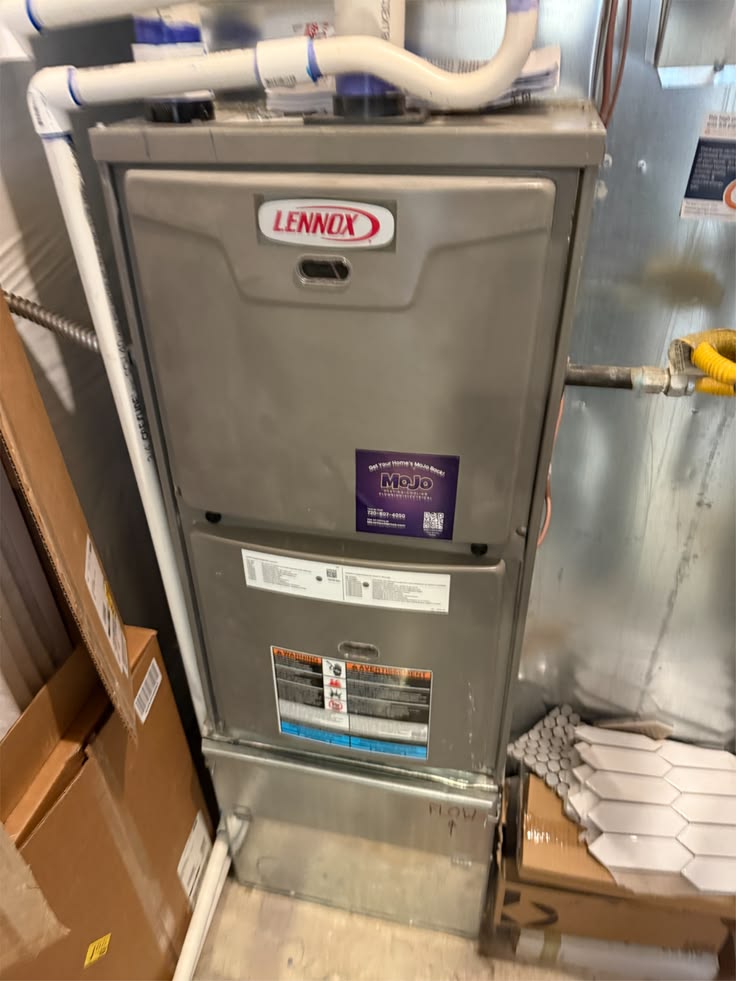
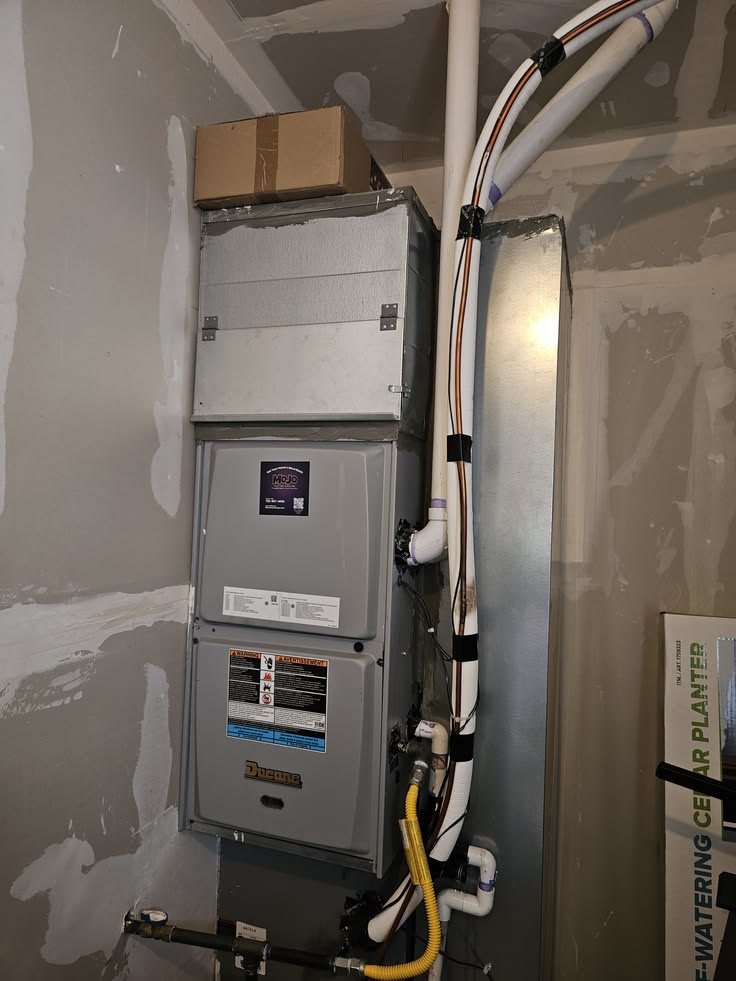
Centennial is the largest city in this part of our map at 109,741 residents, and at 5,830 feet its gas furnaces lose 15.3% of rated input to altitude. A great many Centennial homes are multi-level and zoned, and that combination — a derated furnace behind a zone panel — produces a specific set of faults that get misdiagnosed as control board failures. MoJo Home Services repairs gas furnaces across Centennial with a manometer and a thermometer rather than a parts catalogue. Licensed and insured, 720-807-4050.
Why do zoned Centennial furnaces trip the high limit?
A furnace needs a minimum airflow to carry heat away from the exchanger, and a zone panel exists to reduce airflow on purpose. When one small upstairs zone calls alone, the system may be trying to push the full firing rate through a fraction of the duct it was designed to use. Supply air leaves too hot, the high limit opens, the burner stops and the blower keeps running. The homeowner sees a furnace that starts, stops and blows cold — which looks exactly like a board fault and almost never is. At 15.3% derate the burn has to run longer to satisfy that zone, so the furnace spends more minutes in the condition that trips the switch.
What does a bypass damper do to temperature rise at 5,830 feet?
A bypass damper protects airflow by routing surplus supply air back into the return, and it does so by feeding the furnace its own hot air. Return temperature climbs, and since temperature rise is measured as supply minus return, the reading drifts upward burn after burn until the limit intervenes. Nameplate rise bands are commonly printed as a 30 to 60 or 35 to 65 degree window, and a bypassed Centennial system can sit above the top of that window on a single-zone call while reading perfectly normal when every zone opens. That is why the reading has to be taken on the worst-case call, not a convenient one.
How many cycles per hour should a Centennial thermostat allow?
Gas furnaces are usually set to three to five cycles per hour, and five is the setting that causes trouble here. Five cycles per hour caps a complete on-off period at twelve minutes, of which the burn might be four or five. A furnace takes several minutes just to reach steady-state temperature rise, so at that setting a Centennial furnace already giving up 15.3% to altitude spends much of its life in the inefficient early part of a burn. Dropping the cycle rate lengthens burns, evens out the upstairs-downstairs split that multi-level homes complain about, and reduces the start count that wears igniters and inducers.
What does the 15.3% derate cost a larger Centennial furnace?
Multiply by 0.847. A 120,000 BTU per hour nameplate — a common size in a larger zoned Centennial house — fires about 101,600 BTU per hour here rather than 120,000. A 60,000 unit in a Centennial townhome fires about 50,800. The gap widens with the size of the equipment, which is why the biggest homes in Centennial are also where the sizing error shows up first and hardest.
In what order should a Centennial no-heat call be diagnosed?
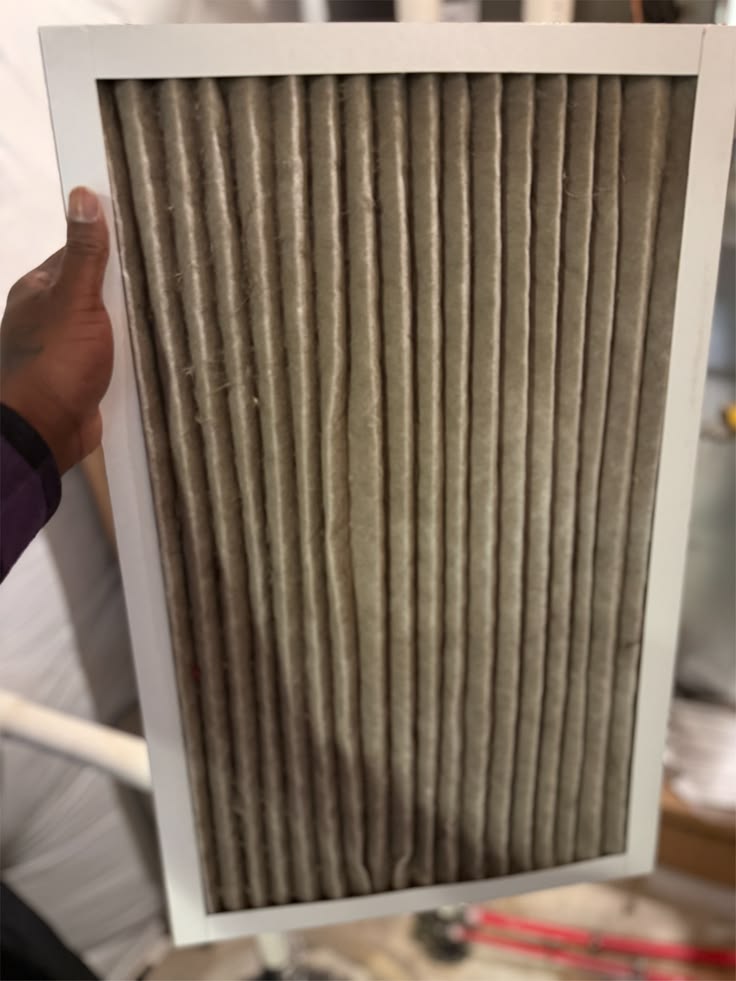
Filter and return path first, because a starved return imitates half the faults on this list. Then static pressure on both sides of the air handler, with the zone panel forced into its most restrictive configuration. Then temperature rise against the nameplate band under that same condition. Then manifold pressure read against the manufacturer's high-altitude column, not the default one. Only after those four does a board, a limit switch or a zone damper motor become a credible suspect. Parts changed before the readings are taken tend to fail again, because whatever destroyed the first one is still installed.
Where else in Arapahoe County does MoJo work?
Centennial has the steepest derate of the Arapahoe County communities we cover. Greenwood Village sits 364 feet lower at 13.9%, and Littleton at 13.4%, so an identical house plan built in all three needs three different input figures. Highlands Ranch, across the Douglas County line at 14.7%, still comes in below Centennial. Furnace replacement in Centennial is permitted through Arapahoe County; ordinary component repairs are not.
Where else we work
Nearby and on the same schedule: furnace repair in Littleton, furnace repair in Greenwood Village, furnace repair in Highlands Ranch.
For the other half of the system, AC repair in Centennial.
Wider view: furnace repair, or everything in Centennial.

Centennial
Home Of The $39 Diagnosis
Book your diagnostic today!
The $39 diagnostic service is a professional troubleshooting visit performed by a certified MoJo technician to identify the root cause of an HVAC issue.
Frequently Asked Questions
Why does my zoned Centennial furnace shut off and blow cold air?
That pattern is a high limit trip, not a broken board. When one small zone calls alone, the furnace is firing into a fraction of its design airflow, supply air overheats, the limit opens the burner circuit and the blower keeps running to cool the exchanger. At Centennial's 15.3% derate the burn runs longer to satisfy that zone, so the furnace sits in the overheating condition for more minutes each call.
What is the furnace derate at Centennial's elevation?
Centennial's 5,830 feet is 3,830 feet above the 2,000-foot baseline, giving a 15.3% derate. A 120,000 BTU per hour furnace fires near 101,600 here and a 60,000 unit near 50,800. That is the steepest altitude penalty of the Arapahoe County communities we serve, and the reason a Centennial furnace that felt adequate in October can run continuously in January.
Can a bypass damper cause furnace problems in Centennial?
Yes. A bypass damper returns surplus supply air to the return duct, which raises return temperature and pushes measured temperature rise upward across a burn until the high limit trips. The reading looks normal when all zones are open and abnormal on a single-zone call, so any Centennial diagnosis has to test the worst-case zone configuration rather than the convenient one.
How many cycles per hour should a Centennial furnace be set for?
Three to five is the usual range, and lower is generally better at 5,830 feet. Five cycles per hour limits a full period to twelve minutes, leaving a short burn that never reaches steady-state temperature rise — a poor match for a furnace already down 15.3% on rated input. Longer burns even out multi-level temperature splits and cut the start count that wears igniters and inducer motors.
Does a furnace replacement in Centennial need a permit?
Replacing a furnace is permitted work and Centennial falls under Arapahoe County for it, the same authority that covers Greenwood Village and Littleton. Component repairs such as a flame sensor, gas valve or blower motor generally do not require one. On a zoned system, the change-out is also the moment to verify that the new furnace's minimum airflow suits the existing zone layout.
MoJo Home Services
A note for our neighbors
There are streets in Centennial where we have now worked in several houses in a row, each one because the last neighbor said something kind about us. A furnace repair that ends with our name being passed over the fence is the reason we are still family run and still here. 💜

Furnace Repair
In
Centennial
Share Your Experience
Thank you for supporting our local family business. If we did right by you, we'd love to hear about it on any site you use.
- Write a Google reviewQuick & easy
- Find us on YelpRead what neighbors said
- Review us on FacebookShare with friends
- Recommend us on NextdoorTell your neighbors


Your referrals and reviews not only mean so much to us, they also help the community know who to trust to Get their Home's MoJo Back!
Honest feedback is what we're after, good or bad. If something fell short, call us at the office first and we'll make it right.