Welcome, Neighbors of
Green Mountain
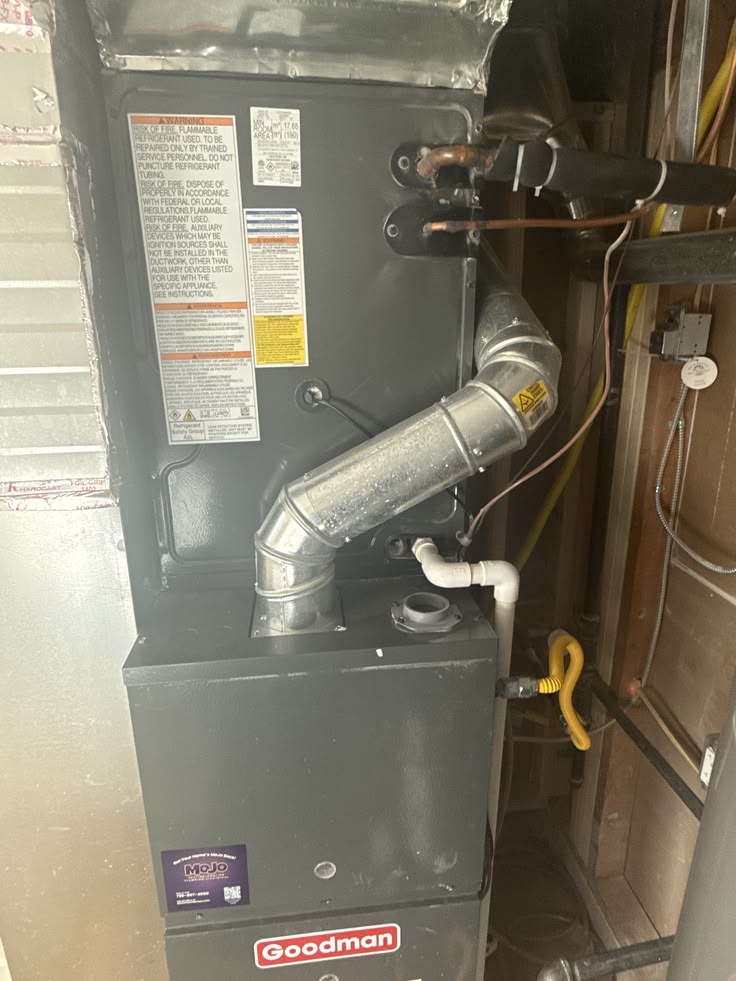
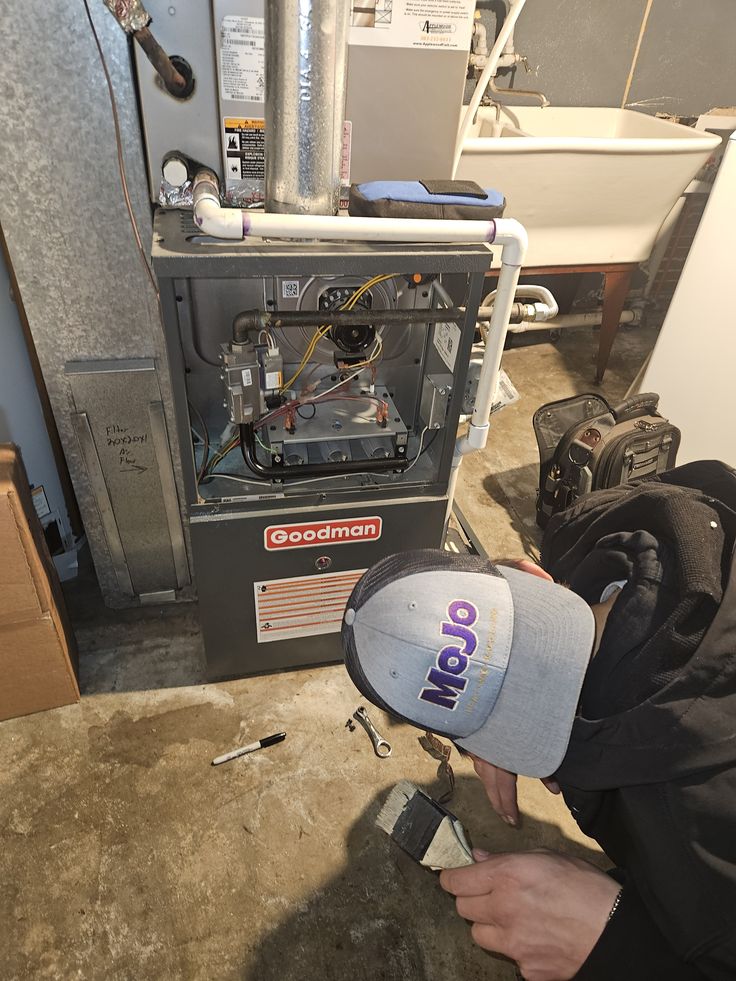
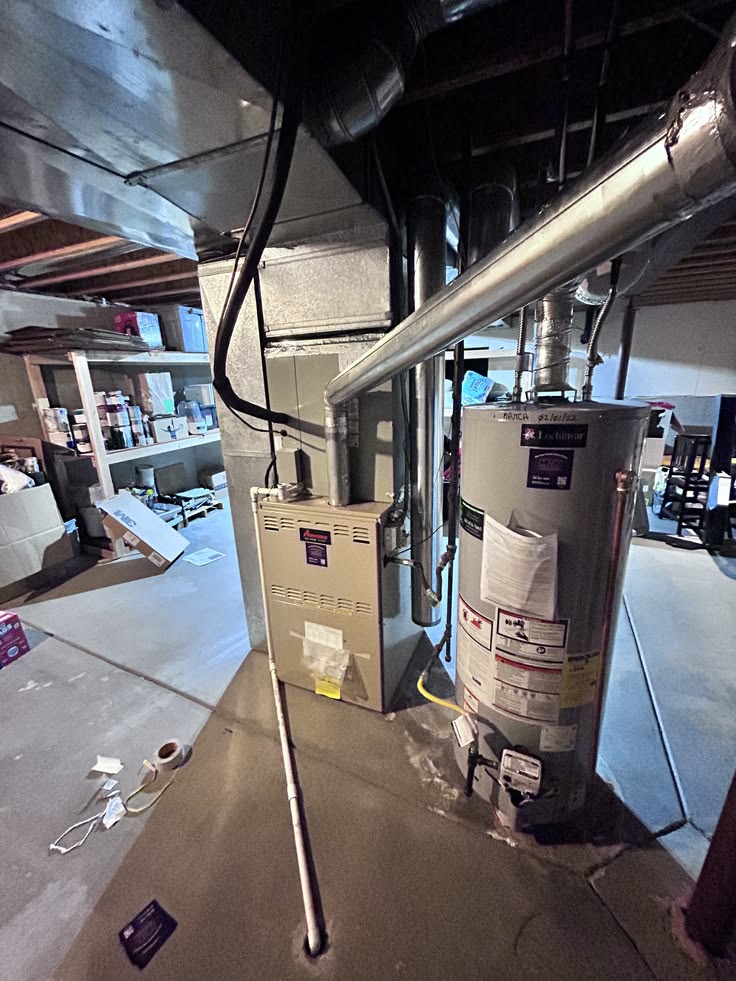
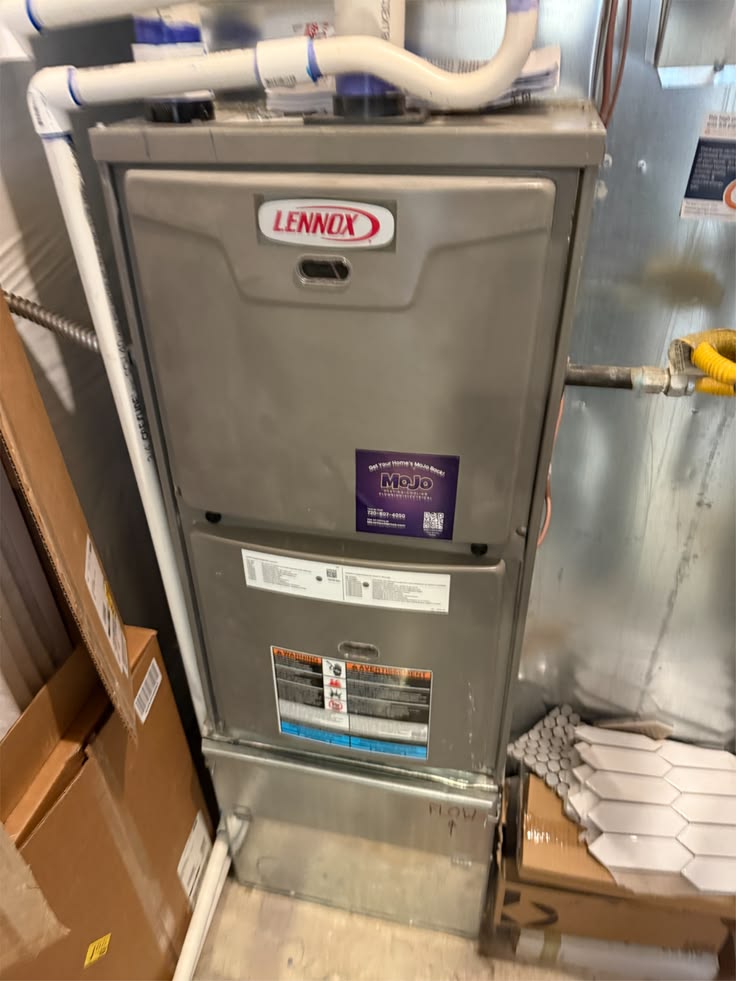
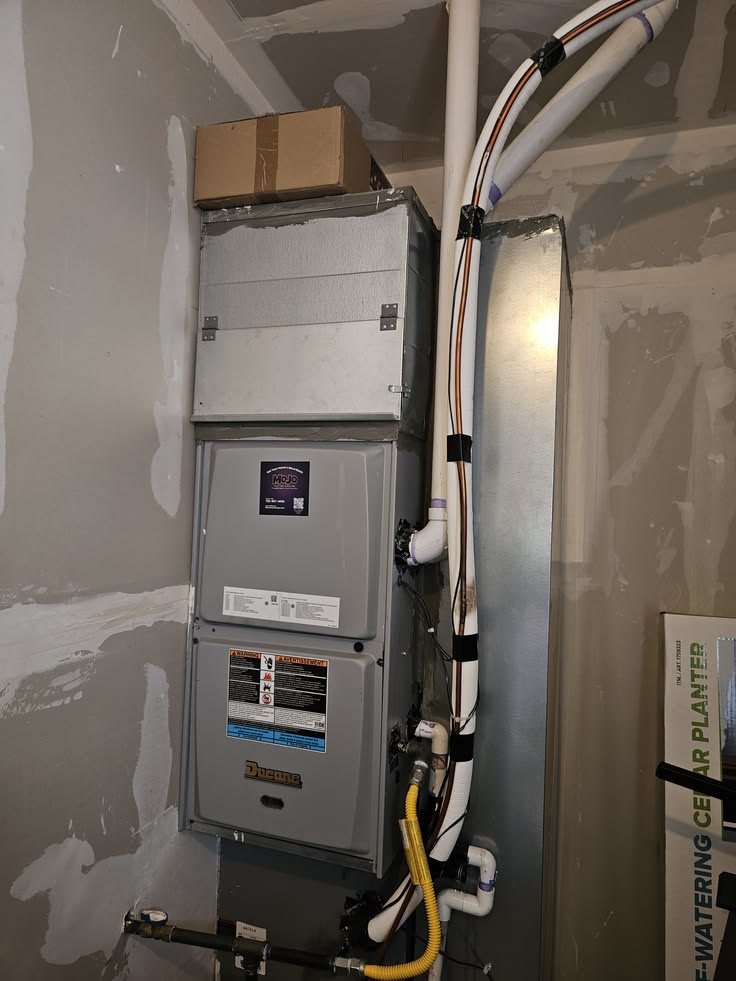
Furnace Repair in Green Mountain, CO
Green Mountain is the part of Lakewood that climbs, and homes on that slope sit noticeably higher and more exposed than the flat eastern half of the city. Split levels here often heat unevenly from floor to floor. Licensed, insured and family owned since 2009.
5-star rated · Local & Family-owned since 2009
Licensed & Insured
Family Owned
NATE Certified
EPA Certified
BBB Accredited
Serving Denver Metro

See your neighbor deals
MoJo Home Services
Furnace Repair
Furnace Repair in Green Mountain, Lakewood CO
Green Mountain is the only neighborhood we cover on the metro floor that sits above 6,000 feet, and at 6,020 feet a gas furnace here gives up 16.1% of its rated input. A 100,000 BTU/h nameplate puts in about 83,900 BTU/h here; an 80,000 BTU/h unit, roughly 67,100. The rest of Lakewood sits 502 feet lower at 5,518 feet and derates 14.1%, so one city contains two different sizing answers and this hillside holds the harder one.
Why does one Lakewood address need a bigger furnace than another?
Because the derate follows the ground, not the city limit. Green Mountain stands 4,020 feet above the 2,000 feet at which gas equipment is rated, against Lakewood's 3,518, and at 4% per 1,000 feet that is 16.1% versus 14.1%. Two points sounds academic until it is applied: on a 100,000 BTU/h furnace it is 2,000 BTU/h of input, and on the cold end of the season that is the difference between a system that recovers overnight and one that slowly loses ground. A contractor working from a lower Lakewood job sheet, or from a nameplate copied off the outgoing unit, imports a number that was never right for 6,020 feet.
Why does a hillside split-level heat unevenly here?
Multi-level floor plans put the thermostat on one level and most of the return air on another, and warm air stacks toward the top of the house on its own. The furnace satisfies the thermostat, shuts down and leaves the lowest level several degrees behind. At sea level a slightly oversized furnace papers over that. At 16.1% down there is no surplus to paper with, so the imbalance shows. The real fix is rarely a bigger furnace: it is return air on the level that is short of it, damper balancing across the trunk, and in some houses a two-stage furnace whose long low-fire runs give the air time to mix rather than blasting and quitting.
Why does my furnace lock out when the wind comes off the foothills?
Green Mountain sits directly in the path of downslope wind coming off the Front Range, and sidewall vent terminations are sensitive to it. A condensing furnace will not open its gas valve until the inducer pulls a vacuum strong enough to close a proving switch, and the setpoint on that switch is a small fraction of an inch of water column. A gust pressing on the exhaust termination is enough to collapse the signal, so the board locks out. The wind drops, and by the time anyone looks at it the unit restarts and tests fine. Termination height, clearance from the corner of the house and the condition of the screen are what get inspected on those calls, not the switch itself.
What does short cycling actually cost at 6,020 feet?
Short cycling on this hill usually starts as an attempt to outrun the 16.1%. Someone sizes up two nameplate steps, the furnace then satisfies the thermostat in a handful of minutes, and every cycle is a full heat-and-cool sweep on the exchanger plus one more ignition on the igniter. Parts wear by cycle count as much as by run hours, so an oversized Green Mountain furnace consumes igniters and stresses the exchanger while delivering less comfort than a correctly sized one. The right correction for a 16.1% derate is one size up on derated output with the duct system checked to carry the extra air.
What should I check before calling about no heat in Green Mountain?
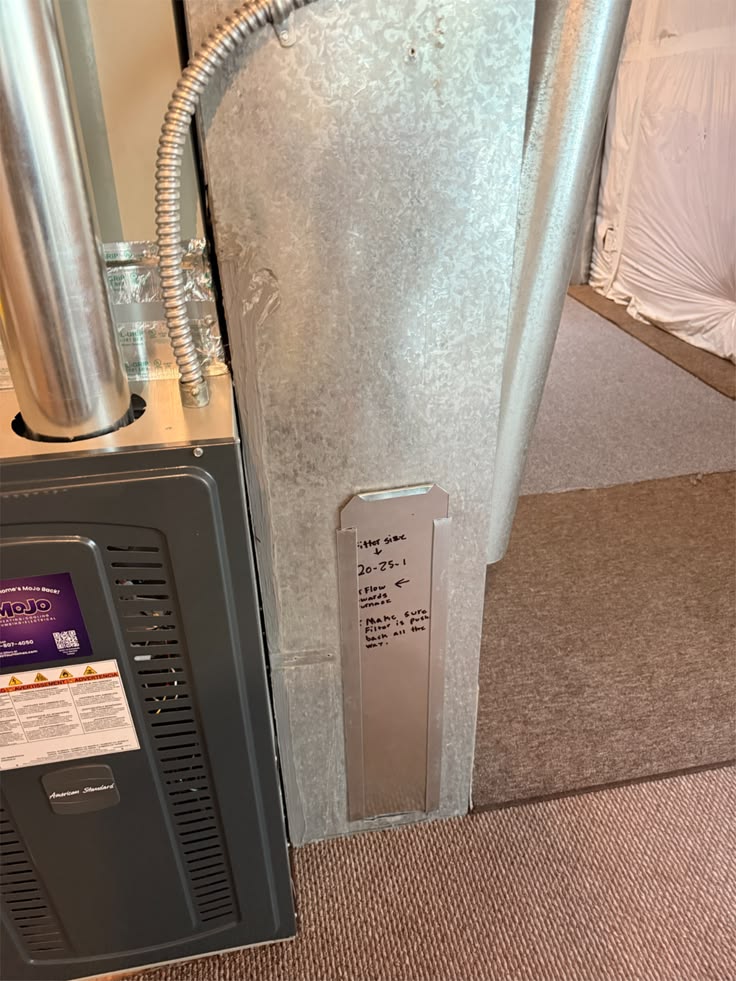
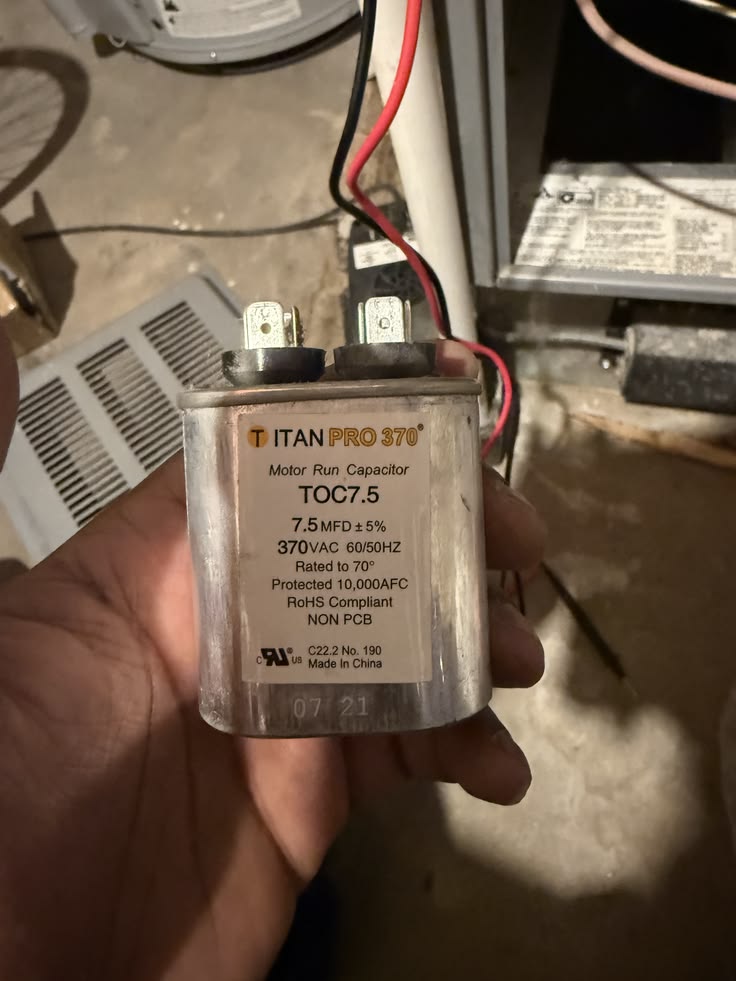
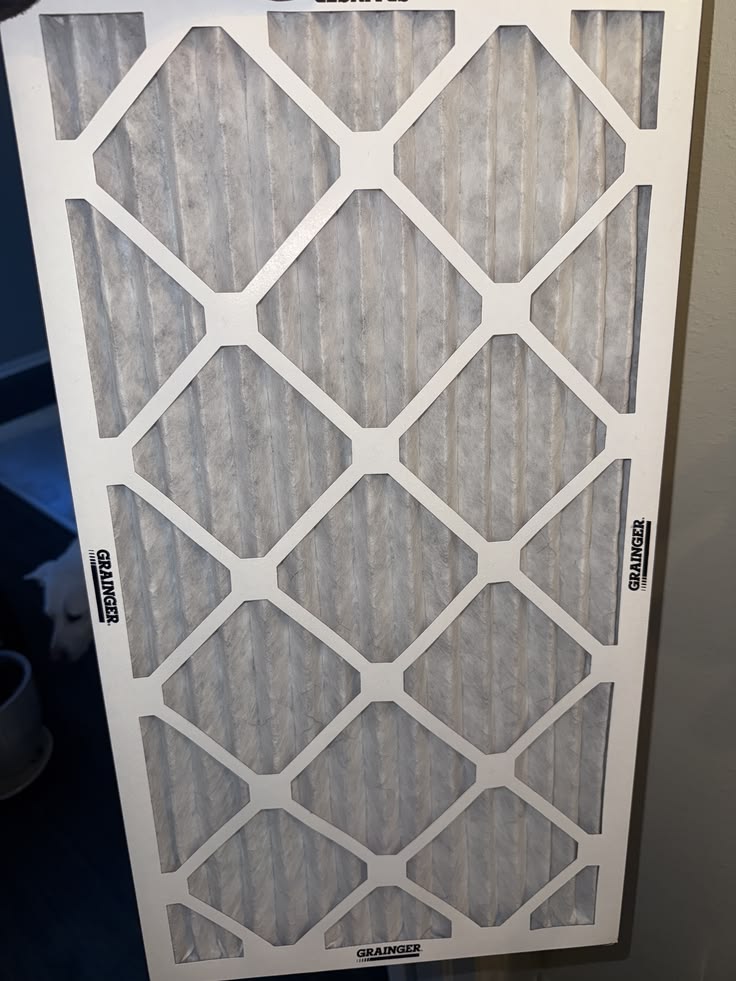
Thermostat set to heat with fresh batteries, furnace breaker on, blower door closed hard against its switch, clean filter. Then watch one attempt. Igniter glows and nothing lights: gas supply, gas valve or pressure switch. Burner lights and drops out in about seven seconds: flame sensing. Burner runs but no air moves: blower or capacitor. Nothing at all on a windy night, with the unit running fine an hour later: look at the outside terminations for ice, snow or a wind-loaded screen before assuming a board failure.
Is an older Green Mountain furnace worth repairing?
Often. Igniters, flame sensors, capacitors, pressure switches, inducers, gas valves and boards are all economic repairs on a structurally sound furnace, and the only hard stop is a breached heat exchanger. If the unit does need replacing, size it on the 0.839 altitude factor for 6,020 feet rather than matching the outgoing nameplate, which on this hillside was frequently selected against Lakewood's lower figure. Ask for the static pressure reading at the same time, because a hillside house with long duct runs to a lower level often needs duct work more than it needs equipment.
Who permits the work, and where else nearby do you go?
Green Mountain is part of Lakewood in Jefferson County; replacement is permitted work and component repairs generally are not. We run this neighborhood together with Golden at 5,676 feet and Morrison at 5,764 feet, both several hundred feet below the hill, which is exactly why the truck carries more than one orifice set for the same nominal furnace.
Where else we work
The same trucks run furnace repair in Lakewood, furnace repair in Golden, furnace repair in Morrison on the same rotation.
For the other half of the system, AC repair in Green Mountain.
Wider view: furnace repair, or everything in Green Mountain.

Green Mountain
Home Of The $39 Diagnosis
Book your diagnostic today!
The $39 diagnostic service is a professional troubleshooting visit performed by a certified MoJo technician to identify the root cause of an HVAC issue.
Frequently Asked Questions
How much output does Green Mountain's 6,020 feet take from a furnace?
Green Mountain stands 4,020 feet above the 2,000 feet at which gas equipment is rated, giving a 16.1% derate. A 100,000 BTU/h nameplate puts in roughly 83,900 BTU/h here, an 80,000 BTU/h unit about 67,100. That is two full points steeper than the rest of Lakewood at 5,518 feet, which derates 14.1%, so equipment selection differs inside the same city.
Why does my Green Mountain furnace lock out on windy nights?
Usually the pressure switch is opening on disturbed draft. Downslope wind off the foothills presses on a sidewall vent termination, and the switch that has to close before the gas valve opens works on a very small vacuum signal from the inducer. Collapse it briefly and the board locks out, then the unit tests fine after the wind drops. We inspect termination height, corner clearance and screen condition rather than replacing the switch.
Why is my lower level colder than the thermostat reading?
Warm air stacks toward the upper levels of a multi-level house, and the thermostat usually sits on the level that gets warm first, so the furnace shuts off while the lowest level lags. At a 16.1% derate there is no surplus capacity to mask it. Adding return air on the cold level, balancing the trunk dampers or running a two-stage furnace on low fire fixes it more reliably than upsizing.
Should a Green Mountain furnace be sized larger than one in central Lakewood?
On derated output, yes, because 6,020 feet costs 16.1% against 14.1% at Lakewood's 5,518 feet. That does not mean jumping two nameplate sizes. Use the 0.839 altitude factor at Green Mountain and size to the calculated heat loss of the house. Overshooting produces short cycling, which wears igniters by cycle count and thermally fatigues the heat exchanger.
Does furnace work in Green Mountain need a Jefferson County permit?
A furnace replacement does. Green Mountain is part of Lakewood in Jefferson County, and component-level repairs such as igniters, capacitors, flame sensors or control boards generally do not require a permit. MoJo Home Services is licensed and insured, handles permitting on replacements, and sets manifold pressure for 6,020 feet rather than the factory default.
MoJo Home Services
A note for our neighbors
On the streets around Green Mountain we often end up at several houses on one block, each because whoever we helped first mentioned us to the next. That kind of chain is how a family run heating repair company stays busy without much of an advertising budget. Thank you for starting it.

Furnace Repair
In
Green Mountain
Share Your Experience
Thank you for supporting our local family business. If we did right by you, we'd love to hear about it on any site you use.
- Write a Google reviewQuick & easy
- Find us on YelpRead what neighbors said
- Review us on FacebookShare with friends
- Recommend us on NextdoorTell your neighbors


Your referrals and reviews not only mean so much to us, they also help the community know who to trust to Get their Home's MoJo Back!
Honest feedback is what we're after, good or bad. If something fell short, call us at the office first and we'll make it right.