Welcome, Neighbors of
Hampden
AC Repair in Hampden, CO
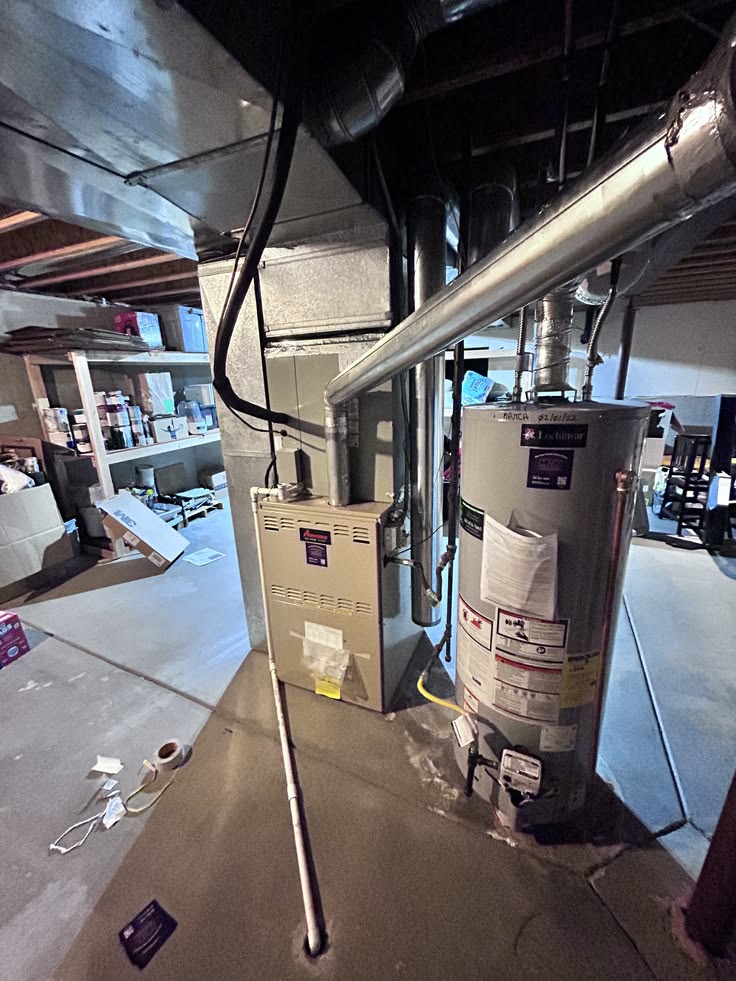
The Hampden corridor is older south Denver, where most homes had cooling bolted onto a furnace that was already sitting in the basement. That pairing is usually why a system never quite keeps up. Family owned, licensed and insured, and working this stretch since 2009.
5-star rated · Local & Family-owned since 2009
Licensed & Insured
Family Owned
NATE Certified
EPA Certified
BBB Accredited
Serving Denver Metro

See your neighbor deals
MoJo Home Services
Out in your neighborhood · Denver Metro
AC Repair in the Hampden Area of South Denver
The Hampden area runs along East Hampden Avenue in south Denver at 5,525 feet, where gas appliances derate 14.1% and air is roughly 15.2% less dense than at sea level. The recurring finding on cooling calls here is not a failed part. It is an air conditioner that was added to a furnace and a duct system originally designed to deliver heat, and never re-examined against what cooling actually needs. South Denver has been part of our territory since MoJo Home Services started in 2009. Dial 720-807-4050; nobody quotes a repair here before the air side has been read with an instrument. Licensed, insured, EPA-certified.
Why does an air conditioner added to an existing furnace underperform in Hampden?
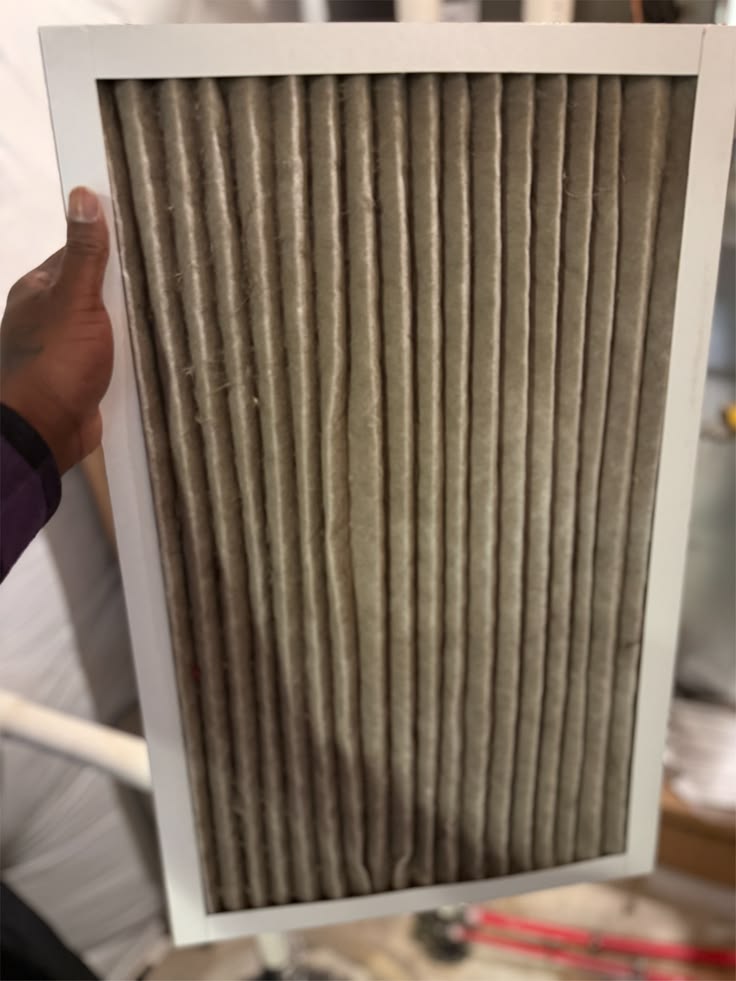
Because heating and cooling ask opposite things of a duct system. A furnace delivers its output through a relatively small volume of hot air; an air conditioner needs a large volume of slightly cooled air, and at 5,525 feet it needs about 472 actual CFM per ton rather than the 400 CFM per ton assumed at sea level. Return air is where retrofits fall short most often, because adding a cooling coil adds resistance to a return path that was already marginal. The system then runs a colder-than-design coil, suction pressure sags, capacity falls, and on a muggy afternoon the coil ices. Every one of those symptoms reads as a refrigerant problem on a manifold gauge set, and none of them is.
What temperature split should a Hampden air conditioner deliver?
Expect something in the low twenties of degrees Fahrenheit across the coil — wider than the mid-to-high teens that reference material written for humid parts of the country will tell you. The reason is that south Denver air holds so little moisture that a Hampden system spends almost none of its capacity condensing water and nearly all of it dropping temperature. A consequence homeowners notice: on a hot dry Hampden afternoon the drain pan can stay almost empty, and that is the system working as expected rather than failing. What does warrant a call is a split that has narrowed. That points either at airflow or at charge, and the two are separated by taking a static-pressure reading at the same visit so the split is judged against a known air volume instead of an assumed one.
How does Hampden's 14.1% derate connect to a summer complaint?
Through the blower cabinet. The 14.1% derate at 5,525 feet means a gas furnace delivers that much below nameplate output, and the standard compensation is a larger furnace. Whatever blower ships inside that larger cabinet becomes the cooling air handler by default. A blower's ability to develop static pressure falls off with air density, which at 5,525 feet costs it roughly 15% of the external static it could produce at sea level. So a Hampden system is asked to move more air than a sea-level one while having less pressure available to force that air past a loaded filter or a pinched return. Those two facts pull in opposite directions, and the retrofit ductwork sits in the middle.
What gets measured on a Hampden no-cool call?
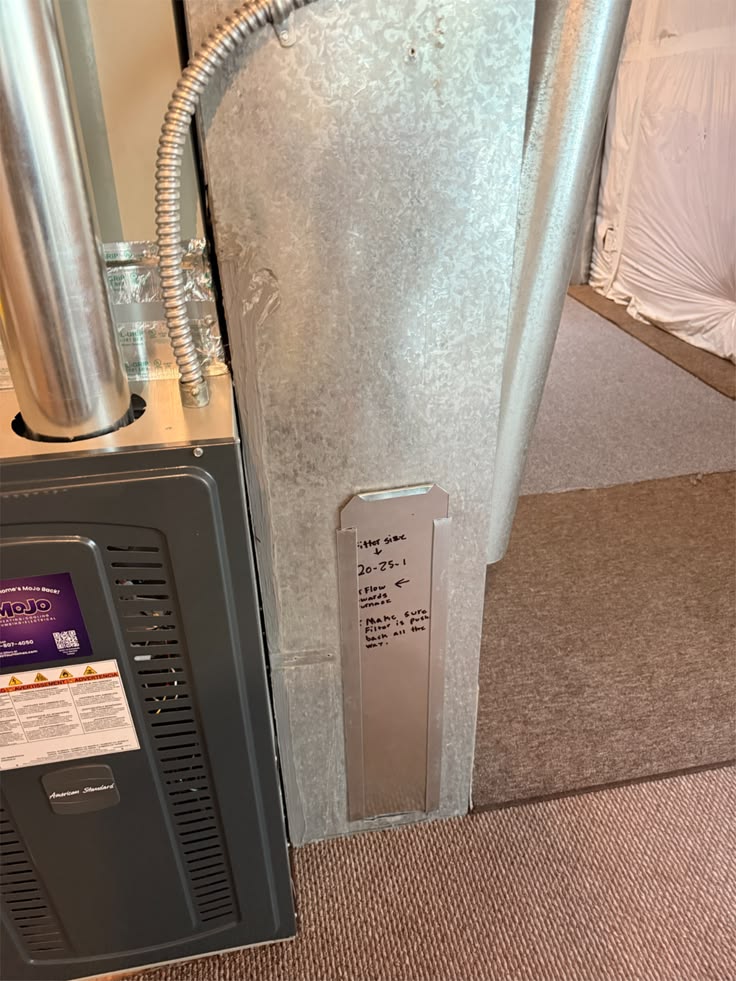
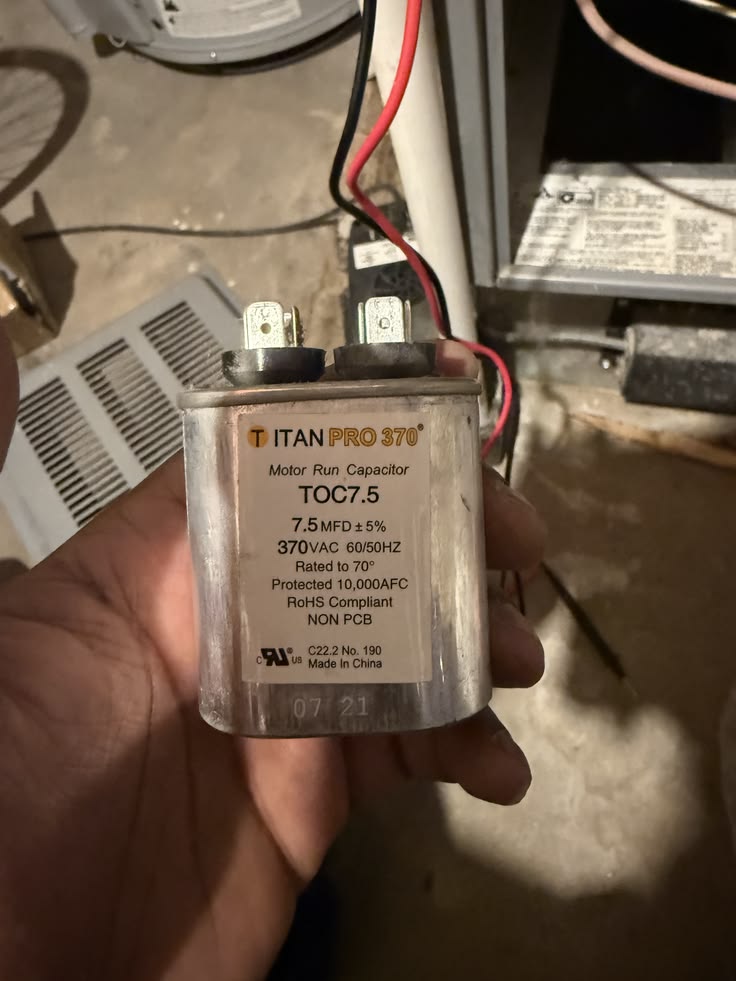
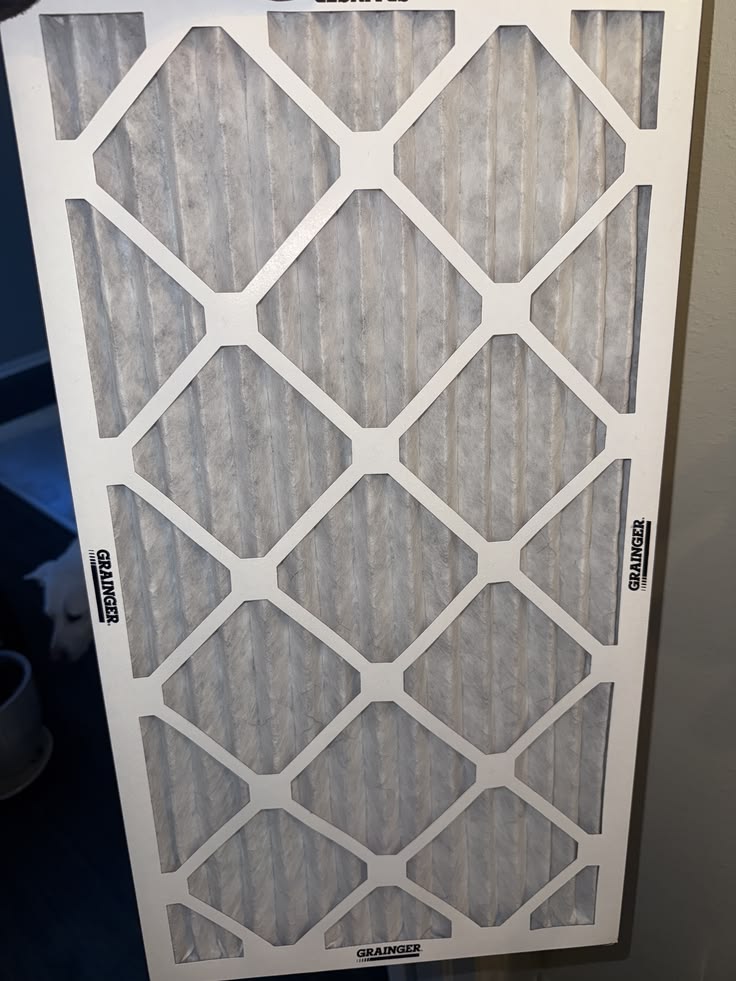
The return path, first and in detail. We measure the free area of every return grille and the filter rack, then take a static-pressure reading on each side of the air handler and compare the total against what the equipment is rated to overcome. That pair of numbers is what tells us whether 472 per ton is achievable in this house or merely aspirational. From there the visit follows the ordinary sequence — blower wheel condition, coil face, capacitor value against its stamp, contactor faces, condenser approach temperature, the drain path — and finishes at the gauge ports. In a retrofit house the air side is where the original compromise was made, so it is where the diagnosis has to begin.
When is duct correction the real fix rather than a new condenser?
When the static pressure reading says the system cannot move 472 CFM per ton no matter what is bolted outside. A larger condenser on a restricted duct system produces a colder coil and worse performance, not better. Adding return-air area, correcting a crushed or undersized trunk, or resizing a filter rack is unglamorous work that frequently recovers more capacity than replacement equipment would. If replacement is genuinely due — R-22 systems from before roughly 2010 have had no new U.S. production or import since 2020 — the duct correction still has to happen first.
South Denver areas on the same route
Glendale sits 174 feet lower at 5,351 feet and is a separate Arapahoe County municipality despite being surrounded by Denver. Denver proper and Englewood complete the corridor we run daily. Hampden itself is a Denver neighborhood, so the City and County of Denver is the permitting authority.
Same crews, neighbouring towns
Nearby and on the same schedule: AC repair in Glendale, AC repair in Denver, AC repair in Englewood.
Heating and cooling fail for different reasons in the same house — see furnace repair in Hampden.
More: AC repair · everything in Hampden.

Hampden
Home Of The $39 Diagnosis
Book your diagnostic today!
The $39 diagnostic service is a professional troubleshooting visit performed by a certified MoJo technician to identify the root cause of an HVAC issue.
Frequently Asked Questions
Why does my Hampden air conditioner freeze up?
Most often because the cooling system was added to duct work sized for heating. At 5,525 feet a Hampden system needs about 472 actual CFM per ton against 400 at sea level, and a restricted return cannot supply it. Starved of air, the coil drops below its design temperature, suction pressure falls with it, and ice builds — while the refrigerant charge sits exactly where it should be the whole time.
What temperature split should a Hampden AC produce?
About 20–25°F between return and supply, wider than the 16–20°F used in humid climates, because dry Front Range air lets nearly all capacity go into sensible cooling. A Hampden system may also produce very little condensate on a hot dry day, which is normal rather than a fault. A narrow split points to airflow or charge.
Does Hampden's 14.1% derate affect the air conditioning?
Yes, by way of the blower. Losing 14.1% of rated heating output at 5,525 feet nudges installers toward a bigger furnace, and its blower becomes the cooling air handler. That blower also loses roughly 15% of the static pressure it could develop at sea level, so a Hampden system needs more air while having less push available to move it.
Should I replace the condenser or fix the ducts in a Hampden home?
Measure static pressure first. If the duct system cannot deliver 472 CFM per ton at 5,525 feet, a larger condenser makes the coil colder and performance worse. Adding return-air area or correcting a crushed trunk often recovers more capacity than new equipment does. If replacement is genuinely due, the duct correction still needs to happen first.
Who issues permits for AC work in the Hampden area?
The City and County of Denver, since Hampden is a Denver neighborhood. Neighbouring Glendale, 174 feet lower at 5,351 feet, is a separate Arapahoe County municipality with its own routing — worth confirming by address, because the two areas sit close enough together that the distinction is easy to miss.
MoJo Home Services
A note for our neighbors
People who land along Hampden often come from somewhere else in the city and have to work out who to call all over again. We are grateful when a neighbor saves them the trouble and hands over our name, and we try to make that first AC repair the reason it sticks.

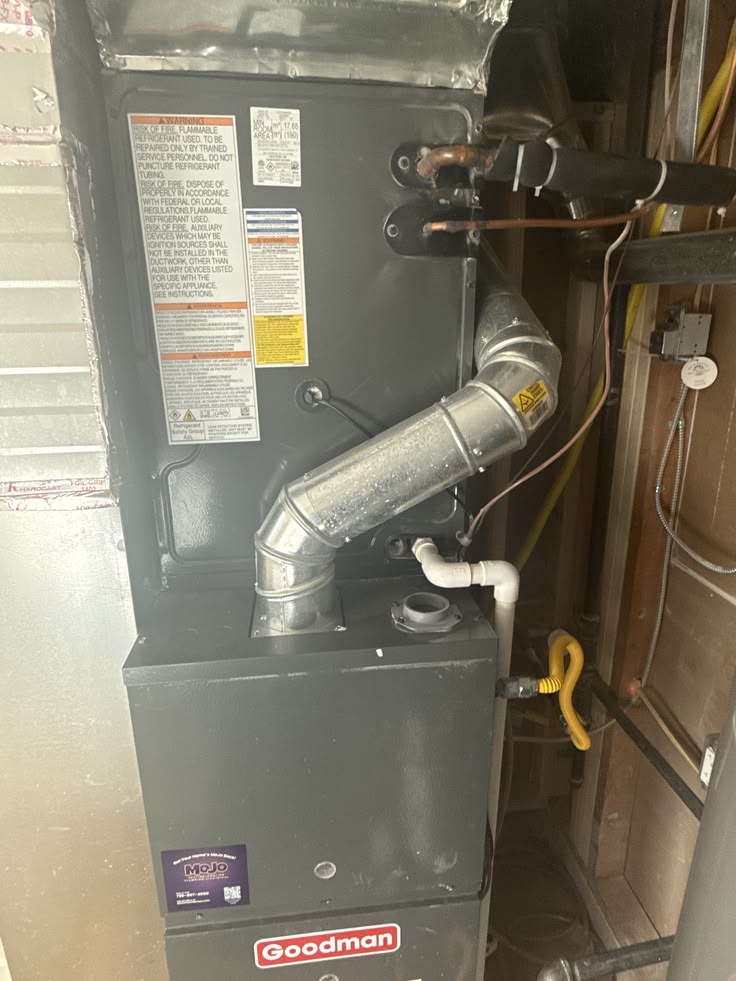
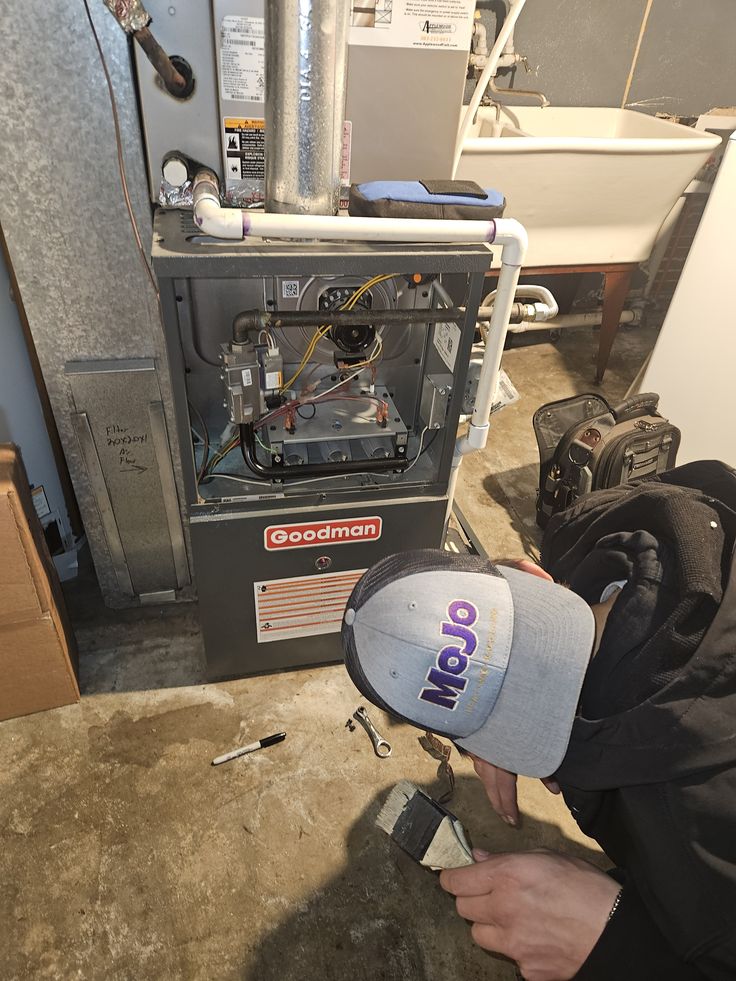
On the job
In
Hampden
Share Your Experience
Thank you for supporting our local family business. If we did right by you, we'd love to hear about it on any site you use.
- Write a Google reviewQuick & easy
- Find us on YelpRead what neighbors said
- Review us on FacebookShare with friends
- Recommend us on NextdoorTell your neighbors


Your referrals and reviews not only mean so much to us, they also help the community know who to trust to Get their Home's MoJo Back!
Honest feedback is what we're after, good or bad. If something fell short, call us at the office first and we'll make it right.