TL;DR
Electrical Troubleshooting
Flickering lights range from a harmless loose bulb to a sign of a serious electrical hazard. This guide explains the most common causes, what it means when flickering affects one room versus your whole house, and when the problem points to something dangerous, including why your lights may dim when the AC or furnace kicks on.

If you've noticed your lights flickering, you're not imagining things — and you're not alone. Flickering lights are one of the most common electrical complaints we hear from Denver homeowners, and the causes range from something as simple as a loose light bulb to something as serious as a failing electrical panel. The key is knowing the difference. In this guide, we'll walk you through the most likely reasons your lights are flickering, what you can check yourself, and — critically — when you should stop troubleshooting and call a licensed electrician.
Denver's older housing stock makes this question especially relevant. Neighborhoods like Capitol Hill, Park Hill, and parts of Wheat Ridge are full of beautiful mid-century homes that were wired for a fraction of the electrical load modern households demand. Add in Colorado's dramatic weather swings — a 70°F afternoon followed by a fast-moving snowstorm — and you have conditions that stress both your HVAC system and your home's electrical infrastructure simultaneously. Just as we recommend seasonal checkups for your furnace and AC (something we cover in our Denver HVAC Prep guide), your electrical system deserves the same proactive attention.
The short answer to "why are my lights flickering" is this: flickering almost always points to an inconsistent electrical connection or an unstable voltage supply somewhere between the utility grid and your light fixture. Whether that instability is minor and easy to fix, or a sign of something dangerous, depends entirely on the specifics — which is exactly what we're going to break down below.
The Most Common Reasons Lights Flicker in Denver Homes
Not all flickering is created equal. Before you panic or pick up the phone, it helps to understand the most frequent culprits. Here's what our licensed electricians find most often when diagnosing flickering lights in the Denver Metro Area:
Loose or incompatible light bulb: A bulb that isn't fully seated in its socket creates an intermittent connection. This is the first thing to check — turn off the fixture, let it cool, and reseat or replace the bulb.
Incompatible dimmer switches: Many older dimmer switches were designed for incandescent bulbs. When paired with modern LED bulbs, they can cause noticeable flickering or buzzing. LEDs require dimmers rated specifically for LED loads.
Voltage fluctuations from large appliances: When your HVAC system, refrigerator, washer, or other high-draw appliances kick on, they momentarily pull a large surge of current. A brief flicker when your air conditioner starts up is often normal — but if it's severe or persistent, it warrants attention.
Loose wiring at the fixture, switch, or outlet: Connections loosen over time, especially in older homes. A loose wire at a fixture or junction box creates an arc point — which is not just annoying, it's a fire hazard.
Overloaded circuits: Too many devices on a single circuit cause voltage drops that make lights flicker, especially when high-draw appliances cycle on.
Outdated or undersized electrical panel: Many Denver homes built before the 1980s have 100-amp panels that simply cannot handle the electrical demands of modern life — home offices, EV chargers, smart home devices, and central HVAC systems all compete for limited capacity.
Utility supply issues: Sometimes the problem originates outside your home entirely. Xcel Energy supply fluctuations, neighborhood load sharing, or issues with the service entrance can cause grid-side voltage problems that make your lights flicker.
Flickering in One Room vs. the Whole House: What It Means
The pattern of your flickering is one of the most diagnostic clues available to you. Where the flickering occurs — and how it behaves — can dramatically narrow down the cause.
Flickering in a single fixture or room usually points to a localized issue: a loose bulb, a faulty fixture, a bad switch, or a loose connection in that room's circuit. This is generally the least urgent scenario and is often something a licensed electrician can resolve quickly during a service call.
Flickering throughout the house is a more serious signal. When lights flicker in multiple rooms simultaneously — especially when large appliances cycle on — the problem is likely upstream from individual fixtures. Possible causes include an overloaded main panel, a failing main breaker, loose connections at the service entrance, or a problem with the utility supply coming into your home. This category of flickering should not be ignored.
Flickering on just one side of the house is a particularly telling pattern. Your home's electrical panel is fed by two 120-volt "legs" of power from the utility. If one leg is compromised — due to a loose connection at the meter, a failing breaker feeding that leg, or a utility issue — everything connected to that leg will flicker or dim together. This is a situation that warrants a same-day call to a licensed electrician.
When Flickering Lights Signal a Serious Electrical Hazard
This is the section that matters most. Most flickering is annoying but not immediately dangerous. However, certain patterns are warning signs of electrical conditions that can cause house fires or electrocution. Do not ignore these:
Flickering accompanied by a burning smell or discoloration around outlets and switches. This indicates arcing — electricity jumping across a gap in a damaged or loose connection. This is one of the leading causes of residential electrical fires.
Buzzing or crackling sounds from your walls, panel, or fixtures. Audible arcing is an emergency. Turn off the affected circuit at your breaker panel and call a licensed electrician immediately.
Breakers that trip repeatedly in conjunction with flickering. A breaker that keeps tripping is protecting you from an overloaded or faulted circuit — but the underlying problem needs to be fixed, not just reset.
Lights that dim significantly and stay dim rather than flickering briefly. Sustained voltage drops can indicate a serious wiring problem or a failing utility connection.
Flickering that began after a storm or power outage. Severe weather can damage service entrance wiring or loosen connections at the meter. Denver's dramatic weather — including early fall snowstorms in September and October — is hard on exterior electrical infrastructure.
Homes with aluminum wiring. Many Denver homes built between 1965 and 1973 were wired with aluminum, which is prone to loosening at connections over time and poses an elevated fire risk. If your home has aluminum wiring and you're experiencing flickering, this needs professional evaluation immediately.
The National Fire Protection Association (NFPA) reports that electrical failures and malfunctions are a leading cause of home fires in the United States. In Denver's older neighborhoods, where wiring may be 50 or 60 years old, the risk is real and worth taking seriously.
DIY Checks vs. What Requires a Licensed Electrician
There are a handful of safe, sensible checks you can perform yourself before calling in a pro. Here's how to draw that line clearly:
What You Can Check Safely
Reseat or replace the bulb. Turn off the fixture, wait for it to cool, and make sure the bulb is fully screwed in or seated. Try a new bulb if the problem persists.
Check your dimmer switch compatibility. Look up your dimmer's model number and confirm it is rated for LED bulbs. Most older dimmers are not, and replacing them with an LED-compatible dimmer is a straightforward fix for a licensed electrician.
Identify the pattern. Note when the flickering happens (when the AC kicks on? randomly? only at night?), where it occurs, and whether it's associated with any sounds or smells. This information is invaluable to the electrician who responds.
Check your breaker panel. Open the panel door and look for any breakers that are in the tripped (middle) position. Reset them once — but if they trip again immediately, do not keep resetting them.
What Requires a Licensed Electrician
Inspecting or tightening connections inside junction boxes, switches, or outlets
Evaluating your electrical panel for capacity, condition, and code compliance
Diagnosing utility-side issues and coordinating with Xcel Energy
Replacing outdated wiring, including aluminum wiring remediation
Installing a whole-home electrical panel upgrade if your home's 100-amp service can no longer meet modern demand
Any work inside your electrical panel
We cannot overstate this: electrical work is not a good candidate for YouTube tutorials and a trip to the hardware store. Colorado requires licensed electricians for virtually all residential electrical work beyond simple fixture swaps, and for very good reason. The consequences of DIY electrical mistakes range from failed inspections to fires to fatalities.
How Denver's Altitude and Climate Make Electrical Issues Worse
Denver's unique environment plays a subtle but real role in electrical performance. At 5,280 feet above sea level, the thinner air affects how electrical arcs behave — arc-fault conditions that might self-extinguish at sea level can sustain themselves longer at altitude. This is one reason Colorado's adoption of Arc-Fault Circuit Interrupter (AFCI) breaker requirements under the National Electrical Code matters even more here than in lower-elevation states.
Colorado's semi-arid climate creates exceptionally dry conditions, particularly in winter when indoor humidity can drop to 10–20%. Low humidity increases static electricity buildup throughout a home — while this doesn't directly cause flickering, it's a reminder that Denver's environment stresses electrical systems in ways that homeowners in more temperate climates don't experience. (It's also why we recommend whole-home humidifiers as part of a complete home comfort system — something our team covers in our Denver four-season HVAC guide.)
Denver's dramatic temperature swings also matter. The expansion and contraction of building materials through freeze-thaw cycles — especially pronounced in neighborhoods like Arvada and Thornton where older ranch-style homes sit on expansive clay soils — can work electrical connections loose over years of seasonal movement. This is a major reason why routine electrical inspections make sense for any home more than 20 years old.
The HVAC Connection: Why Your AC or Furnace May Be Causing the Flicker
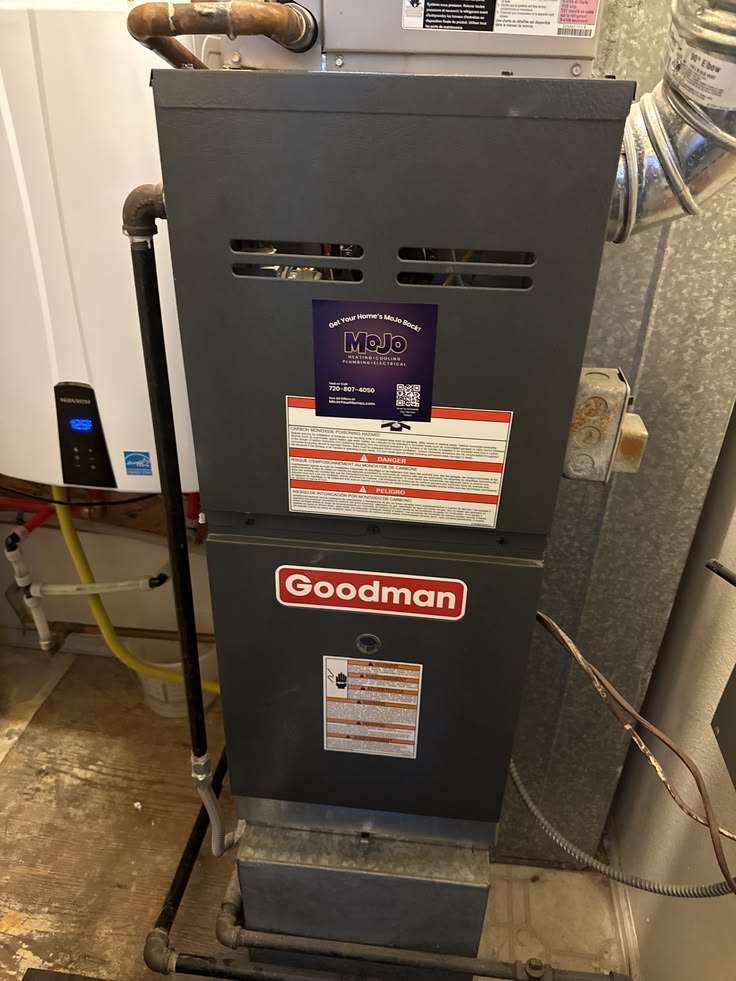
One flickering pattern we investigate frequently is lights that dim or flash specifically when the HVAC system cycles on. This is worth understanding in detail, because it sits at the intersection of electrical and HVAC systems.
When a central air conditioner or furnace blower motor starts, it draws a significant surge of current — sometimes 3 to 5 times its normal running amperage — for the first fraction of a second. This is called inrush current. On a well-sized, properly wired electrical system, this surge is handled without issue. But if your panel is undersized, if the HVAC circuit is shared with other loads, or if there are loose connections in the circuit, that surge will cause a momentary voltage drop that makes your lights flicker.
A brief, single flicker when the AC or furnace kicks on — lasting less than a second — is generally considered normal. But if your lights flicker for several seconds, dim noticeably, or flicker frequently throughout the day as the system cycles, that's a sign that something needs attention. It could be an HVAC issue (a failing capacitor or motor drawing too much current) or an electrical issue (inadequate wiring or panel capacity). Our team handles both sides of this equation, and our guide to HVAC repair signs can help you recognize when your heating and cooling system may be contributing to the problem.
If your HVAC system is aging and drawing excessive current, a heating system repair or tune-up might resolve the flickering without any electrical work at all. Our NATE-certified technicians can evaluate both systems and give you a complete picture.
Your Local Electrical Experts in Denver — MoJo Home Services
Flickering lights are your home's way of telling you something is off. Most of the time, it's a manageable issue that a licensed electrician can diagnose and resolve in a single visit. Occasionally, it's an early warning sign of a serious hazard that needs immediate attention. Either way, the answer is the same: don't guess, and don't wait.
At MoJo Home Services, our licensed residential electricians serve homeowners throughout the Denver Metro Area — from Capitol Hill and Park Hill to Arvada, Thornton, Wheat Ridge, and beyond. With 16+ years of experience and a BBB-accredited reputation built on honest diagnostics and quality workmanship, we're the team Denver homeowners trust to find the real cause of electrical problems and fix them correctly the first time.
Whether you need a simple fixture inspection, an assessment of your aging electrical panel, or a complete whole-home electrical inspection, we're ready to help. Don't let flickering lights become a fire hazard — contact MoJo Home Services today to schedule service with a licensed Denver electrician.

Sources & References
National Fire Protection Association (NFPA) — Home Electrical Fire Statistics and Safety, 2023
Electrical Safety Foundation International (ESFI) — Home Electrical Fires: Causes and Prevention, 2023
U.S. Department of Energy — LED Lighting: Efficiency, Quality, and Compatibility, 2023
National Fire Protection Association, NFPA 70: National Electrical Code (NEC), 2023 Edition — Arc-Fault Circuit Interrupter (AFCI) and GFCI Requirements
Xcel Energy Colorado — Residential Energy Programs and Rebates, 2024
U.S. Consumer Product Safety Commission (CPSC) — Electrical Safety in the Home, 2022
Need expert electrical service in Denver? MoJo Home Services provides professional residential electrical services throughout the Denver Metro Area. Contact us at 4000 Newman St, Wheat Ridge, CO 80033 or call (720) 807-4050 for same-day service.
Frequently Asked Questions
Can flickering lights be a fire hazard?
Yes — in certain circumstances, flickering lights are a direct indicator of conditions that can cause house fires. When flickering is caused by loose wiring connections, those loose connections create electrical arcing — electricity jumping across a small gap. Arcing generates intense heat and can ignite surrounding insulation, wood framing, or other combustible materials inside your walls. The National Fire Protection Association (NFPA) identifies electrical arcing as one of the leading causes of residential fires. If your flickering lights are accompanied by a burning smell, discoloration around outlets or switches, buzzing sounds, or tripping breakers, treat it as a potential emergency and call a licensed electrician immediately. Don't wait to see if it gets worse.
Can LED lights cause vertigo or headaches?
They can, though it's more common than most people realize. LED bulbs and fixtures operated on incompatible dimmers or on circuits with voltage fluctuations can flicker at frequencies that are invisible to the naked eye but still detectable by your brain and visual system. This phenomenon — called high-frequency flicker — has been associated with headaches, eye strain, and in sensitive individuals, symptoms resembling vertigo or motion sickness. The solution is usually straightforward: replace your dimmer switch with one rated for LED loads, or switch to LED bulbs with a higher flicker-free rating. If the problem persists after addressing the dimmer, the flickering may be caused by an underlying circuit issue that a licensed electrician should evaluate.
Is it safe to ignore a flickering light?
It depends on the cause, but the honest answer is: don't ignore it without understanding why it's happening. A light that flickers briefly when you tighten the bulb and then stops is likely nothing to worry about. A dimmer switch that flickers with incompatible LED bulbs is annoying but not dangerous — and easy to fix. But flickering that is accompanied by burning smells, sounds from the walls, repeatedly tripping breakers, or flickering throughout multiple rooms is not safe to ignore. These patterns can indicate loose wiring, overloaded circuits, or a failing electrical panel — all of which are fire hazards. When in doubt, a whole-home electrical inspection gives you a definitive answer and peace of mind.
Do flickering lights mean the power is about to go out?
Not necessarily, but it's possible. Flickering caused by utility-side voltage fluctuations — problems with the supply coming into your home from Xcel Energy — can sometimes precede a broader outage, especially during storms or periods of high grid demand. However, flickering is far more often caused by issues inside your home rather than on the utility grid. If your lights flicker during a storm, it's worth checking the Xcel Energy outage map to see if your neighborhood has a reported issue. If the grid looks fine and flickering continues, the problem is almost certainly inside your home's wiring or panel. After a severe weather event, always have loose or damaged service entrance connections inspected before assuming everything is fine.
Why do my lights flicker specifically when the AC or heat turns on — is that normal in Denver?
A very brief, single flicker when your HVAC system starts is generally considered normal. Central air conditioners and furnace blower motors draw a large surge of current — called inrush current — when they first start up, and this momentary load can cause a slight voltage dip on the circuit. In a properly sized and wired Denver home, this flicker should last less than a second and happen only at startup. If the flicker is prolonged, severe, or happens repeatedly throughout the day, it's a sign that either your HVAC system is drawing more current than it should (a failing motor or capacitor) or your electrical panel and wiring can't handle the load. Both situations warrant a professional evaluation. Denver's older homes with 100-amp panels are particularly prone to this issue as electrical demands have grown.
How much does it cost to have flickering lights diagnosed by an electrician in Denver?
Most licensed electricians in the Denver Metro Area charge a service call or diagnostic fee that typically ranges from $75 to $150, with the total repair cost depending on what's found. Simple fixes — replacing a dimmer switch, tightening a loose connection at a fixture — may add only $50 to $150 in labor. More involved repairs, like replacing a faulty breaker or upgrading an overloaded circuit, generally run $200 to $500. If the flickering points to a failing electrical panel requiring a full upgrade, costs in Denver typically range from $1,500 to $3,500 depending on panel size and the complexity of the installation. Getting a professional diagnosis is the only reliable way to know what you're actually dealing with — guessing at causes and swapping parts without a diagnosis often costs more in the long run.
Related Resources