
TL;DR
Circuit Breaker Issues
A breaker that keeps tripping is a safety system doing its job, but it is also telling you something is wrong. This guide explains the most common causes, from simple circuit overloads to short circuits, ground faults, and aging components, and helps you know what you can check yourself versus when to call a licensed electrician.
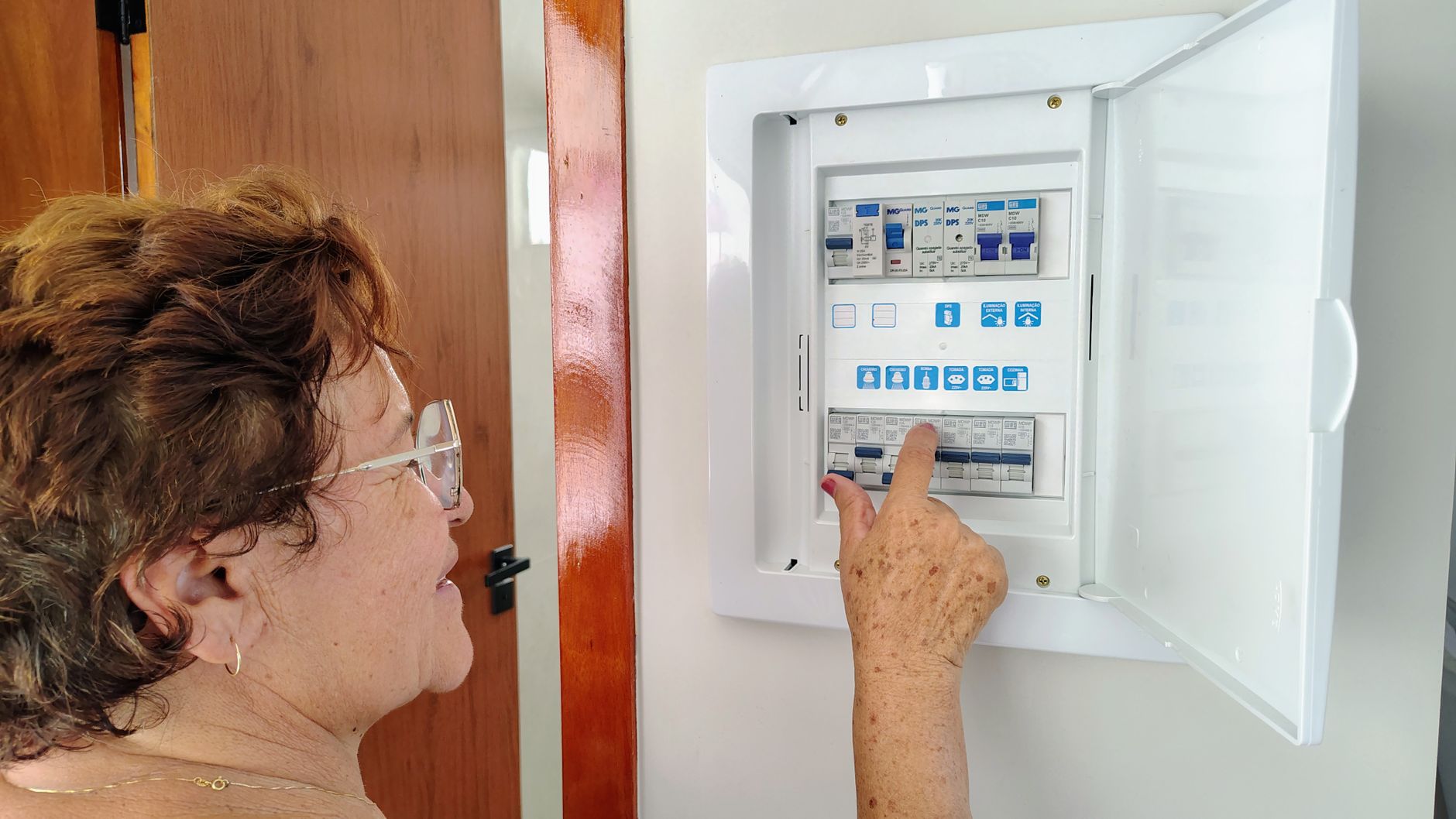
If your circuit breaker keeps tripping in your Denver home, you're dealing with more than just an inconvenience—you're facing a safety mechanism that's working exactly as designed. Circuit breakers trip to protect your home's electrical system from dangerous overloads, short circuits, and ground faults that could lead to electrical fires. At Denver's 5,280-foot elevation, where dry air and temperature fluctuations stress electrical systems year-round, understanding why your breaker trips is crucial for home safety.
Most circuit breaker trips fall into five categories: overloaded circuits, short circuits, ground fault issues, arc faults, or aging equipment. While some causes require immediate professional attention from a licensed electrician, others might be resolved through simple load management. However, never ignore a breaker that trips repeatedly—it's your electrical system's way of preventing a potentially catastrophic failure.
Our licensed electricians have served the Denver Metro Area for over 16 years, helping homeowners in Wheat Ridge, Arvada, Westminster, and surrounding communities diagnose and resolve electrical issues safely. Here's what you need to know about circuit breaker trips and when to call for professional help.
Understanding Circuit Breaker Basics
A circuit breaker is essentially an automatic switch designed to interrupt electrical flow when conditions become unsafe. Modern breakers protect against three primary dangers: overcurrent conditions (too much electrical load), short circuits (hot and neutral wires touching), and ground faults (electricity taking an unintended path to ground).
In older Denver neighborhoods like Capitol Hill and Park Hill, many homes still have 100-amp electrical panels that weren't designed for today's electrical demands. Modern households run everything from home offices and electric vehicle chargers to high-efficiency HVAC systems that require substantial electrical capacity.
When a circuit breaker trips, it physically moves to the "off" position, cutting power to that circuit. The breaker handle will be in the middle position between "on" and "off," and you'll need to push it fully to "off" before switching it back to "on" to restore power. If the breaker trips again immediately or repeatedly, you have an underlying electrical problem that needs professional diagnosis.
Most Common Cause: Circuit Overload
Circuit overload accounts for roughly 70% of all breaker trips in residential homes. This happens when you draw more electrical current through a circuit than it's designed to handle. A standard 15-amp bedroom circuit, for example, can safely handle about 1,800 watts of electrical load.
Common overload scenarios include plugging multiple high-wattage appliances into the same circuit, running a space heater while using other electronics, or operating power tools on circuits already serving lights and outlets. During Denver's unpredictable spring weather, when homeowners might run both heating and cooling systems, electrical demand spikes significantly.
Signs of circuit overload include:
Lights dimming when large appliances start
Outlets feeling warm to the touch
Burning smell from outlets or switch plates
Frequent breaker trips on the same circuit
Extension cords running throughout the house
To address overloads, redistribute electrical loads across different circuits. Move high-wattage items like space heaters, vacuum cleaners, or hair dryers to circuits with lighter loads. However, if you're consistently overloading circuits during normal use, your home may need an electrical panel upgrade to meet modern demands.
Dangerous Short Circuits: When Wires Touch
A short circuit occurs when a hot (live) wire touches a neutral wire or another hot wire, creating a path of extremely low electrical resistance. This causes a massive surge of current that trips the breaker instantly to prevent overheating and fire.
Short circuits are serious electrical hazards that require immediate professional attention. Unlike overloads, which develop gradually, short circuits create immediate danger. They often result from damaged wire insulation, loose connections in outlets or switches, or faulty appliances with internal wiring problems.
Warning signs of short circuits include:
Burning smell from electrical components
Scorch marks around outlets or switch plates
Sparks when plugging in or unplugging devices
Immediate breaker trip when turning on a specific appliance
Crackling or buzzing sounds from electrical components
Never attempt to reset a breaker that's tripped due to a suspected short circuit without first identifying and addressing the cause. In Denver's dry climate, dust accumulation on electrical connections can contribute to short circuit conditions, making regular electrical maintenance even more critical.
Ground Fault Issues and GFCI Protection
Ground faults happen when electricity finds an unintended path to ground, often through water or a person's body. Ground Fault Circuit Interrupter (GFCI) breakers and outlets are specifically designed to detect these dangerous conditions and shut off power within milliseconds.
GFCI protection is required by electrical code in all bathrooms, kitchens, garages, basements, and outdoor areas. Many older Denver homes in neighborhoods like Highlands Ranch and Cherry Creek may not have adequate GFCI protection, especially if electrical systems haven't been updated in recent decades.
Common ground fault causes include:
Water infiltration into electrical boxes or outlets
Damaged outdoor electrical equipment
Faulty appliances with internal ground faults
Wet conditions in basements or crawl spaces
Damaged extension cords or power tools
If a GFCI outlet or breaker trips repeatedly, don't ignore it. Test GFCI outlets monthly by pressing the "test" button, which should immediately cut power, then press "reset" to restore it. If the GFCI won't reset or trips immediately after resetting, call a licensed electrician for inspection.
Denver's occasional flooding during spring snowmelt or summer monsoon season can create ground fault conditions in basements and crawl spaces. After any water intrusion, have your electrical system inspected before restoring power to affected areas.
Arc Fault Detection: Modern Safety Technology
Arc Fault Circuit Interrupter (AFCI) breakers represent the latest advancement in electrical safety, designed to detect dangerous electrical arcs that could ignite fires. These breakers are now required in most living areas of new homes and major electrical renovations.
Electrical arcs occur when electricity jumps across gaps in damaged wiring or loose connections. Unlike short circuits, arcs don't always draw enough current to trip standard breakers, but they generate intense heat that can ignite surrounding materials. Arc faults cause an estimated 28,000 home fires annually in the United States.
AFCI breakers use sophisticated electronics to distinguish between normal electrical arcs (like those in light switches or motor brushes) and dangerous series or parallel arcs in damaged wiring. These breakers are particularly important in older Denver homes where original wiring may have deteriorated over decades of temperature cycling.
Signs that may indicate arc fault conditions include:
Intermittent flickering lights not related to utility issues
Crackling sounds from within walls
Burning smell without visible source
AFCI breaker trips when no obvious overload exists
Scorch marks on wire connections during electrical work
If you have an older home without AFCI protection, consider upgrading during your next electrical service. Our team regularly helps homeowners throughout the Denver Metro Area modernize their electrical systems with current safety technology.
Aging Electrical Components: When Systems Fail
Even properly functioning electrical systems deteriorate over time. Circuit breakers are mechanical devices with moving parts that can wear out after decades of operation. In Denver's climate, where temperature swings from -20°F in winter to 100°F+ in summer stress all building components, electrical equipment ages faster than in more stable climates.
Signs of aging electrical equipment include:
Breakers that feel loose or don't stay in position firmly
Visible corrosion or rust on breaker components
Breakers that trip at lower loads than their rating
Inconsistent tripping behavior on the same circuit
Physical damage to breaker handles or bus connections
Federal Pacific Electric (FPE) and Zinsco panels, common in homes built between 1950 and 1980, are known for breaker failures and should be replaced immediately. These panels have documented safety issues and may not provide adequate protection during electrical faults.
Many Denver area homes, particularly in Lakewood, Thornton, and Aurora, were built during this era and may still have problematic panels. If your home has an FPE or Zinsco panel, prioritize replacement regardless of whether you're currently experiencing problems.
Modern electrical panels from manufacturers like Square D, Siemens, and Eaton provide reliable protection and can accommodate today's electrical demands. When upgrading your electrical panel, consider increasing capacity to 200 amps to support future needs like electric vehicle charging or whole-home generators.
DIY Troubleshooting vs. Professional Diagnosis
While homeowners can safely perform basic troubleshooting, electrical work has strict limits for DIY activities. You can check for overloads by unplugging devices and redistributing loads, but anything involving opening electrical panels or working with wiring requires a licensed electrician.
Safe DIY steps include:
Identifying which circuit tripped by checking all breakers
Unplugging all devices on the affected circuit
Resetting the breaker after moving it fully to "off"
Gradually reconnecting devices to identify problem appliances
Testing GFCI outlets using test/reset buttons
Call a professional immediately if:
The breaker trips repeatedly after resetting
You smell burning or see scorch marks
The breaker won't stay in the "on" position
Multiple circuits trip simultaneously
You suspect water damage to electrical components
The electrical panel feels warm or makes unusual sounds
At 5,280 feet elevation, Denver's dry air can affect electrical connections differently than at sea level, making professional diagnosis even more valuable. Our licensed electricians understand these local conditions and can identify problems that might not be obvious to homeowners or less experienced technicians.
Remember that electrical issues often interconnect with HVAC systems, especially during Denver's extreme weather when heating and cooling systems work hardest. If your breaker trips coincide with HVAC operation, you might need both HVAC diagnostic services and electrical system evaluation.
Your Local Electrical Safety Partner in Denver
When circuit breakers keep tripping in your Denver home, don't let electrical problems compromise your family's safety. Our licensed electricians have over 16 years of experience serving the Denver Metro Area, from Westminster to Centennial and everywhere in between.
We understand Denver's unique electrical challenges, from altitude effects on equipment performance to the stress that Colorado's dramatic weather changes place on electrical systems. Whether you need emergency electrical repairs, panel upgrades, or comprehensive electrical inspections, our team provides the expertise and reliability Denver homeowners trust.
Don't wait for a dangerous electrical failure. If your circuit breakers are tripping frequently, contact MoJo Home Services today for professional electrical diagnosis and repair. We're available for same-day service throughout the Denver Metro Area and provide upfront pricing on all electrical work.

Sources & References
National Fire Protection Association - Electrical Fires, 2023
U.S. Department of Energy, Electrical Safety and Energy Efficiency, Office of Energy Efficiency and Renewable Energy, 2023
Electrical Safety Foundation International - Electrical Safety Statistics, 2023
National Electrical Code (NFPA 70), Article 210 Branch Circuits, 2023 Edition
Xcel Energy Colorado - Home Energy Efficiency Programs, 2024
International Brotherhood of Electrical Workers, Electrical Safety Guidelines, Safety Department, 2023
Need expert electrical services in Denver? MoJo Home Services provides professional electrical panel upgrades, wiring repairs, and safety inspections throughout the Denver Metro Area. Contact us at 4000 Newman St, Wheat Ridge, CO 80033 or call (720) 807-4050 for same-day service.
Frequently Asked Questions
How do you fix a circuit breaker that keeps tripping?
First, identify the cause by unplugging all devices on the affected circuit and resetting the breaker. If it stays on, gradually reconnect devices to find the problem appliance. If the breaker trips immediately or repeatedly without load, you likely have a short circuit, ground fault, or faulty breaker that requires professional diagnosis. Never ignore persistent tripping—it indicates a potentially dangerous electrical condition that needs licensed electrician attention.
How do I find out what's tripping my breaker?
Start by noting which circuit tripped and what you were doing when it happened. Unplug everything on that circuit, reset the breaker, then plug devices back in one at a time. The device that causes immediate tripping is likely the culprit. However, if multiple devices together cause tripping, you may have an overloaded circuit. Check for signs like warm outlets, burning smells, or scorch marks that indicate more serious wiring problems requiring professional attention.
What will cause a breaker to trip again after it is reset?
Several issues cause repeated tripping: persistent overload from too many devices, short circuits in wiring or appliances, ground faults from water infiltration or damaged insulation, arc faults from loose connections, or a worn-out breaker itself. In Denver's dry climate, dust accumulation on connections can worsen these conditions. If a breaker won't stay reset or trips repeatedly, stop attempting to reset it and call a licensed electrician immediately.
Is it a fire hazard if the breaker keeps tripping?
Yes, repeated breaker tripping can indicate serious fire hazards including overheated wiring, dangerous electrical arcs, or short circuits. The breaker is protecting your home by shutting off power, but the underlying condition causing the trips may still present fire risk. Never ignore persistent tripping or bypass safety devices. Have a licensed electrician diagnose and repair the problem immediately to prevent potential electrical fires.
Why do Denver homes have more electrical problems than other cities?
Denver's 5,280-foot elevation, extreme temperature swings, and dry climate create unique electrical challenges. Altitude affects equipment performance, while temperature cycling from -20°F to 100°F+ stresses electrical connections and components. Low humidity can increase static electricity and dust accumulation on electrical equipment. Additionally, many Denver homes were built before modern electrical demands, requiring upgrades for today's electrical loads including EV chargers and high-efficiency HVAC systems.
When should I upgrade my electrical panel in Denver?
Consider panel upgrades if you have frequent breaker trips, a panel over 30 years old, Federal Pacific or Zinsco equipment, or insufficient capacity for modern needs like EV charging. Denver's temperature extremes accelerate electrical component aging, making upgrades more critical than in stable climates. Signs include warm panels, rust or corrosion, loose breakers, or inability to add circuits for new appliances. Licensed electricians can assess your panel's condition and recommend appropriate upgrades for safety and capacity.
Related Resources


