Welcome, Neighbors of
Northglenn
Furnace Repair in Northglenn, CO
Northglenn was built as a planned suburb in one big push, so the homes are modest, similar, and mostly on their second or third furnace by now. Air moves through a house like that differently than the original installer assumed. Family run, licensed and insured since 2009.
5-star rated · Local & Family-owned since 2009
Licensed & Insured
Family Owned
NATE Certified
EPA Certified
BBB Accredited
Serving Denver Metro

See your neighbor deals
MoJo Home Services
Furnace Repair
Furnace Repair in Northglenn, CO
Northglenn sits at 5,377 feet, and the NFPA 54 convention of 4% per 1,000 feet above 2,000 feet puts the gas furnace derate at 13.5%. A 100,000 BTU/hr nameplate produces about 86,500 BTU/hr here, with roughly 69,200 BTU/hr reaching the ducts at 80% AFUE. What gets missed across this Adams County city of 39,197 is the other half of the altitude problem: thin air does not only reduce what the burners make, it reduces what the blower can carry away, and a furnace whose airflow was set from a sea-level table will overheat while still under-delivering.
Why does airflow change at 5,377 feet as well as combustion?
Because heat transfer to air depends on mass, not volume. The standard sensible heat formula - BTU per hour equals 1.08 times CFM times temperature rise - uses a constant derived at sea level air density. At 5,377 feet that constant is meaningfully smaller, so the same fan moving the same cubic feet per minute carries away less heat than the formula predicts. A Northglenn furnace therefore needs more airflow than the sea-level table implies to hold the same temperature rise. Set it to the sea-level number and the rise runs high, which is where the high limit lives.
Why is temperature rise the reading that catches most Northglenn faults?
Because it is the single number that reflects burner output and blower output at the same time. The nameplate gives a range, commonly something like 40 to 70 degrees. A rise above the top of that range means the furnace is making more heat than the air is carrying off - restricted filter, closed dampers, undersized returns, a blower on too low a tap, or a dirty blower wheel. A rise below the bottom means the opposite. In Northglenn, high rise is the far more common finding, and it explains most repeat limit trips.
How is temperature rise measured correctly?
Supply and return air temperatures taken with the furnace at steady state, several minutes into a burn, with the supply probe positioned out of direct line of sight of the heat exchanger so it reads air rather than radiant heat. Subtract, compare to the nameplate range, and record it. Taken too early, or taken with the probe seeing the exchanger, the reading is meaningless. Plenty of Northglenn furnaces have been condemned on a rise measurement that was never valid in the first place.
What should total external static pressure read?
Most residential systems are designed around roughly 0.5 inches w.c. of total external static, and a great many run far above it. It is measured across the air handler, before the filter and after the coil, using the same manometer that reads gas pressure. High static means the blower cannot deliver rated airflow no matter what speed tap it is on, and at 5,377 feet where more airflow is needed rather than less, high static is a compounding problem. Duct and return sizing, filter type and coil condition are the usual contributors.
Does the blower need a different speed setting in Northglenn?
Frequently, yes. On a multi-tap PSC blower that means moving to a higher heating tap; on an ECM it means selecting the correct airflow setting for the derated heating output rather than accepting the factory default. The target is a temperature rise inside the nameplate range at the actual firing rate this altitude produces - 86,500 BTU/hr of input rather than 100,000. Setting the blower is a five-minute adjustment that resolves a surprising share of Northglenn no-heat calls without a single part.
Why is Northglenn harder on furnaces than Brighton, 393 feet below?
Because 393 feet of elevation is 1.6 derate points - 13.5% here against 11.9% there - and both the burner and the blower feel it. The same model furnace and the same duct system deliver less in Northglenn than in Brighton, and the margin for a marginal return duct is smaller. Henderson at 12.1% and Commerce City at 12.6% sit between them, so equipment moved around inside Adams County is rarely set correctly for where it lands.
What does an airflow-first diagnosis change about the repair?
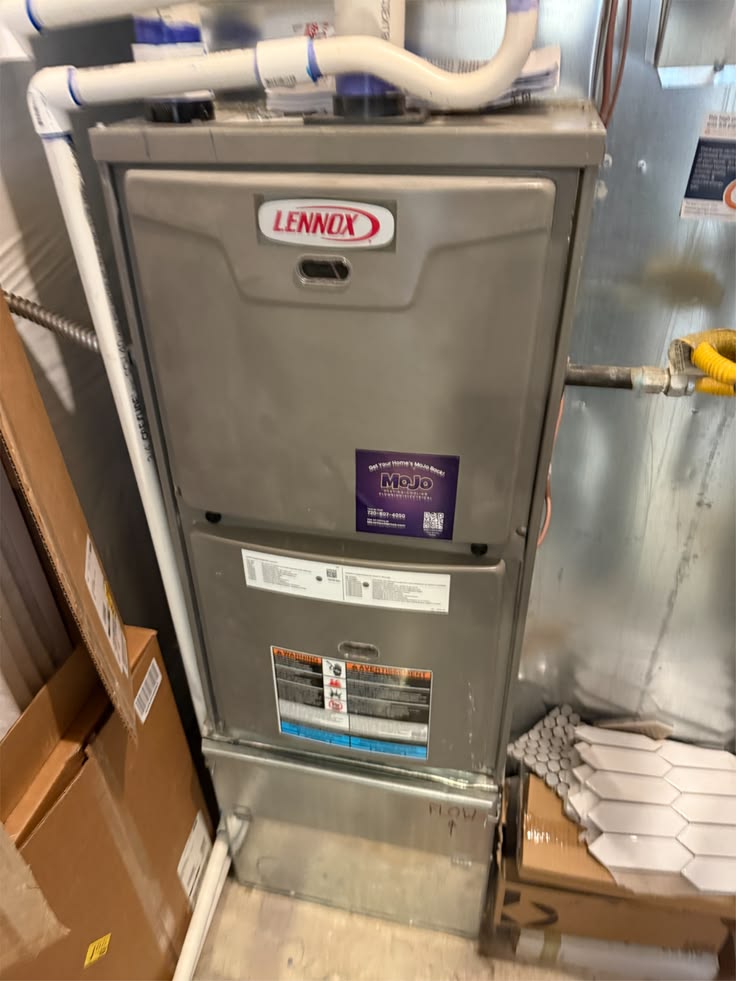
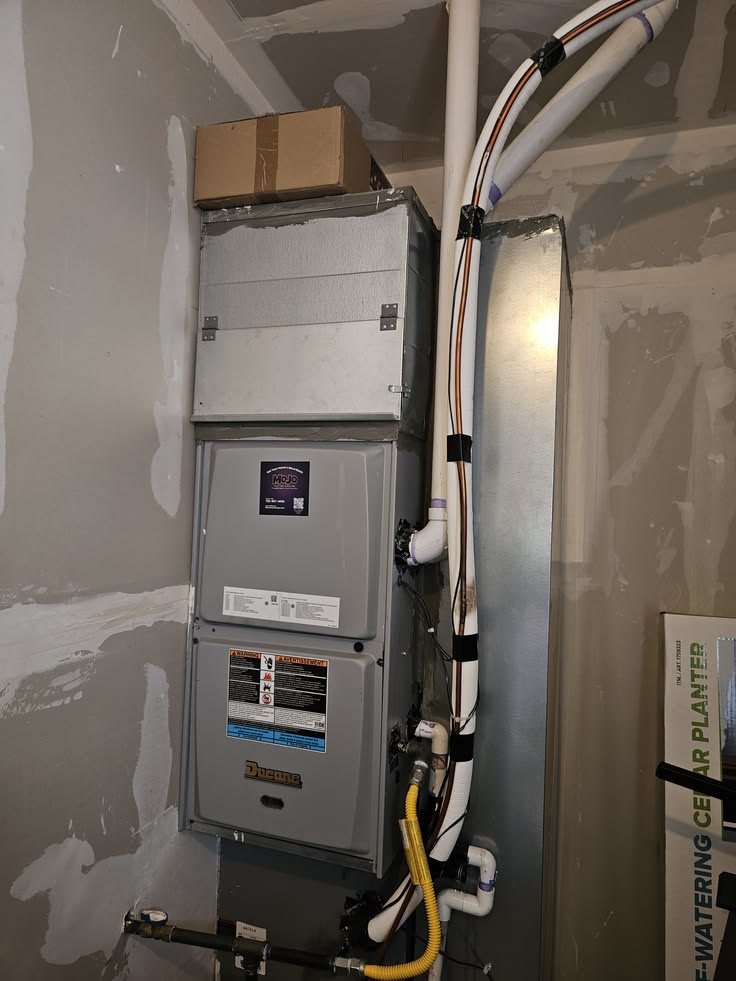
It changes what you buy. A limit switch that trips because rise is 20 degrees over nameplate is not a failed limit switch - it is a limit switch doing its job. Replace it and the furnace trips again next week. Measure static and rise first, correct airflow, then re-measure, and the parts list usually shrinks. That is also what decides whether an aging Northglenn furnace is worth keeping: a unit failing on airflow is repairable, a unit failing because it has been overheating for years often is not. Call 720-807-4050. Furnace replacement in Northglenn is permitted through Adams County and we file it; component repairs generally are not.
Where else we work
Nearby and on the same schedule: furnace repair in Brighton, furnace repair in Commerce City, furnace repair in Henderson.
For the other half of the system, AC repair in Northglenn.
Wider view: furnace repair, or everything in Northglenn.

Northglenn
Home Of The $39 Diagnosis
Book your diagnostic today!
The $39 diagnostic service is a professional troubleshooting visit performed by a certified MoJo technician to identify the root cause of an HVAC issue.
Frequently Asked Questions
Does altitude affect furnace airflow in Northglenn, not just combustion?
Yes, and it is the half most often ignored. The sensible heat formula uses a 1.08 constant derived at sea level; at Northglenn's 5,377 feet air is thinner, so the same CFM carries less heat. A furnace here needs more airflow than the sea-level table calls for to hold the same temperature rise. Set it to sea-level numbers and rise runs high, tripping the limit.
What temperature rise should a Northglenn furnace show?
Inside the range printed on its own rating plate, commonly something like 40 to 70 degrees, measured at steady state with the supply probe out of direct sight of the heat exchanger. It must be judged against the derated firing rate - about 86,500 BTU/hr from a 100,000 BTU/hr nameplate at 5,377 feet - not against the label figure, or the airflow will be set for a furnace that does not exist here.
Why does my Northglenn furnace keep tripping its limit switch?
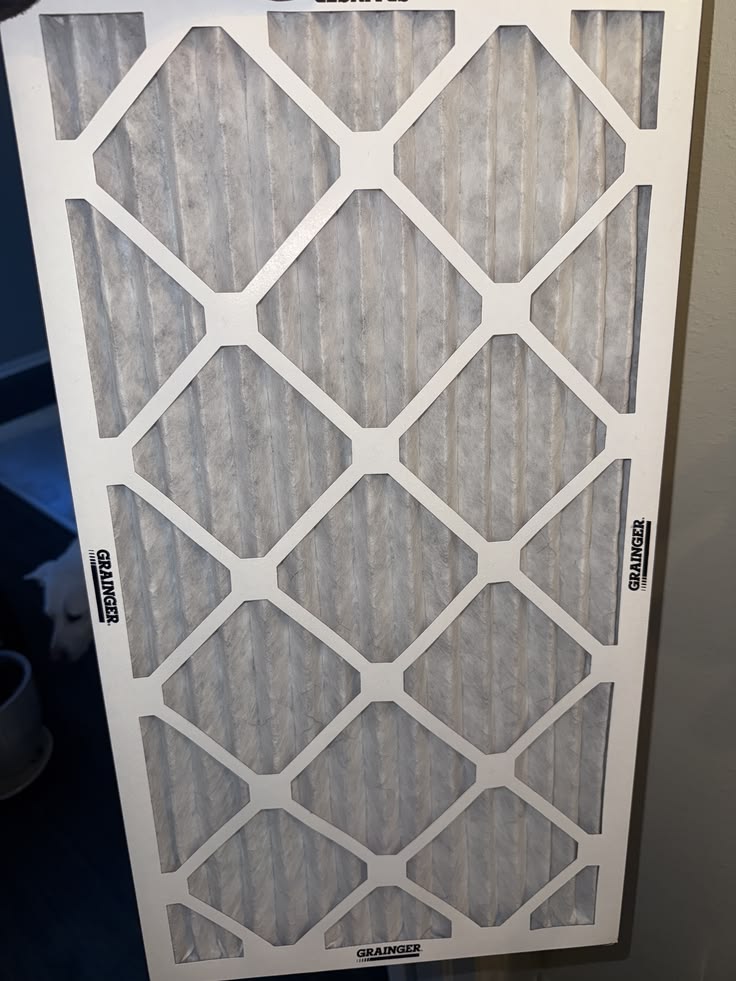
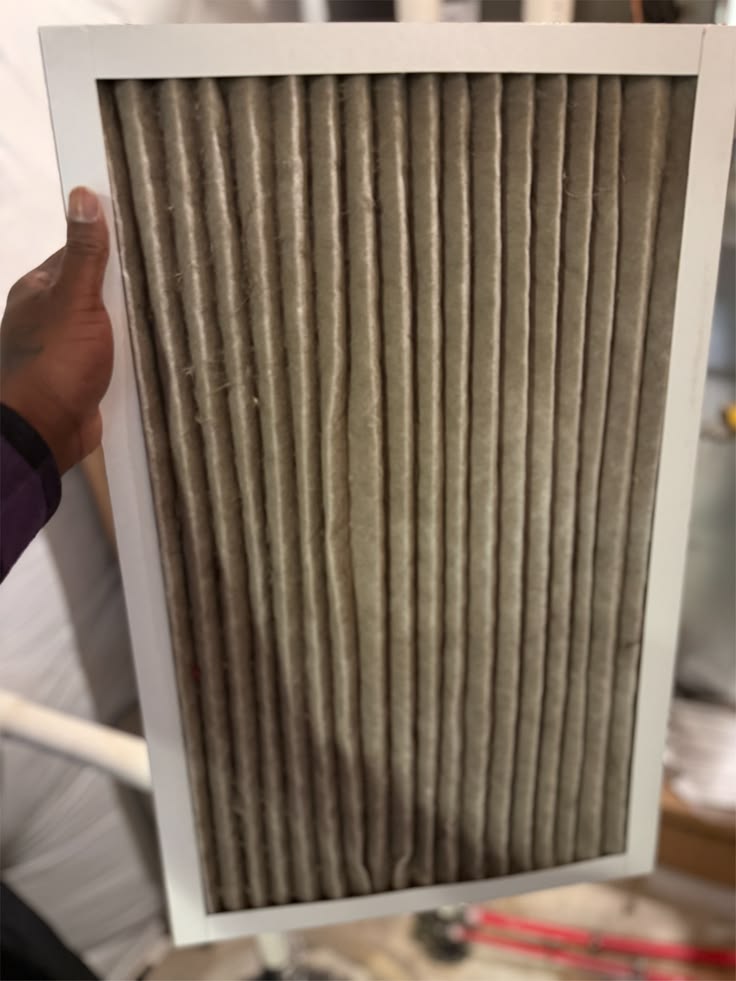
Usually because temperature rise is above nameplate, which means airflow is short: a loaded filter, closed or blocked registers, undersized returns, a dirty blower wheel, or a blower speed tap set too low for 5,377 feet. The limit is working correctly by shutting the burners down. Replacing it without correcting airflow returns the same fault within days, often with a hotter heat exchanger each time.
What is total external static pressure and why measure it?
It is the resistance the blower works against, measured across the air handler with a manometer, and most residential systems are designed near 0.5 inches w.c. Above that, the blower cannot move rated airflow on any speed tap. In Northglenn that matters twice over, because 5,377 feet already requires more airflow than a sea-level design assumes to hold the same rise.
How much output does Northglenn's elevation cost a furnace?
13.5% of rated input, from 5,377 feet under the 4% per 1,000 feet convention. A 100,000 BTU/hr furnace supplies about 86,500 BTU/hr, delivering roughly 69,200 BTU/hr at 80% AFUE. That is 1.6 points more than Brighton loses 393 feet lower, and it is why sizing and blower setup should be done against Northglenn's own elevation rather than a metro-wide average.
MoJo Home Services
A note for our neighbors
Some Northglenn homes we have now visited under different families, because the people leaving told the people arriving who they should call. That kind of handoff is worth more than anything we could say about ourselves, and a furnace repair reaching us that way carries a weight we do not forget.

Furnace Repair
In
Northglenn
Share Your Experience
Thank you for supporting our local family business. If we did right by you, we'd love to hear about it on any site you use.
- Write a Google reviewQuick & easy
- Find us on YelpRead what neighbors said
- Review us on FacebookShare with friends
- Recommend us on NextdoorTell your neighbors


Your referrals and reviews not only mean so much to us, they also help the community know who to trust to Get their Home's MoJo Back!
Honest feedback is what we're after, good or bad. If something fell short, call us at the office first and we'll make it right.