Welcome, Neighbors of
Lone Tree
Furnace Repair in Lone Tree, CO
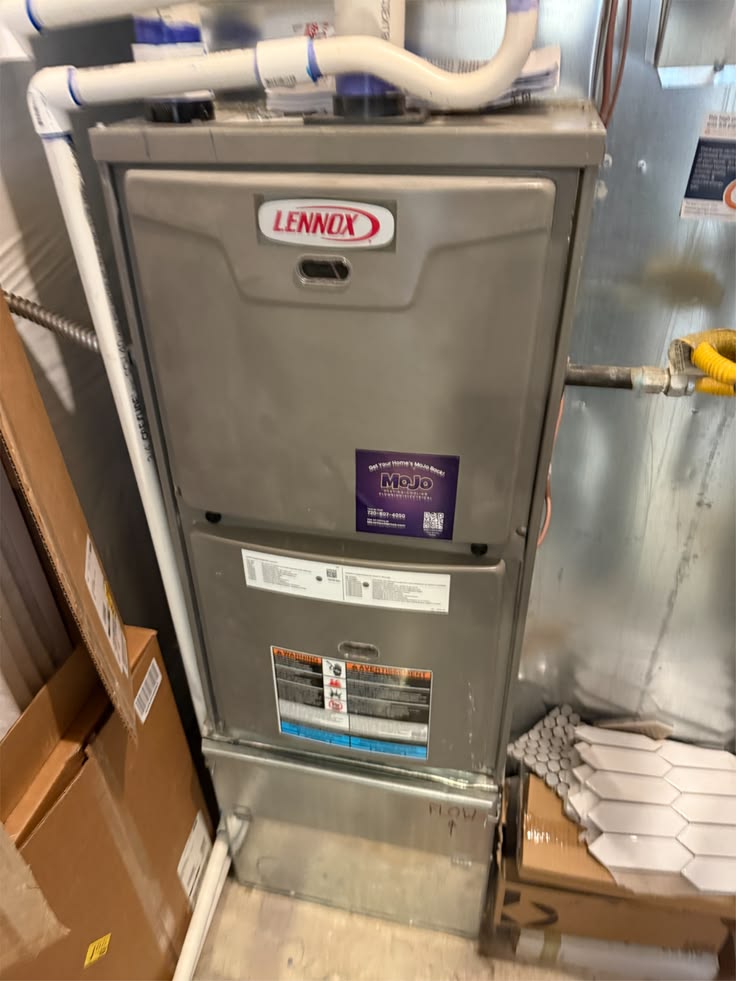
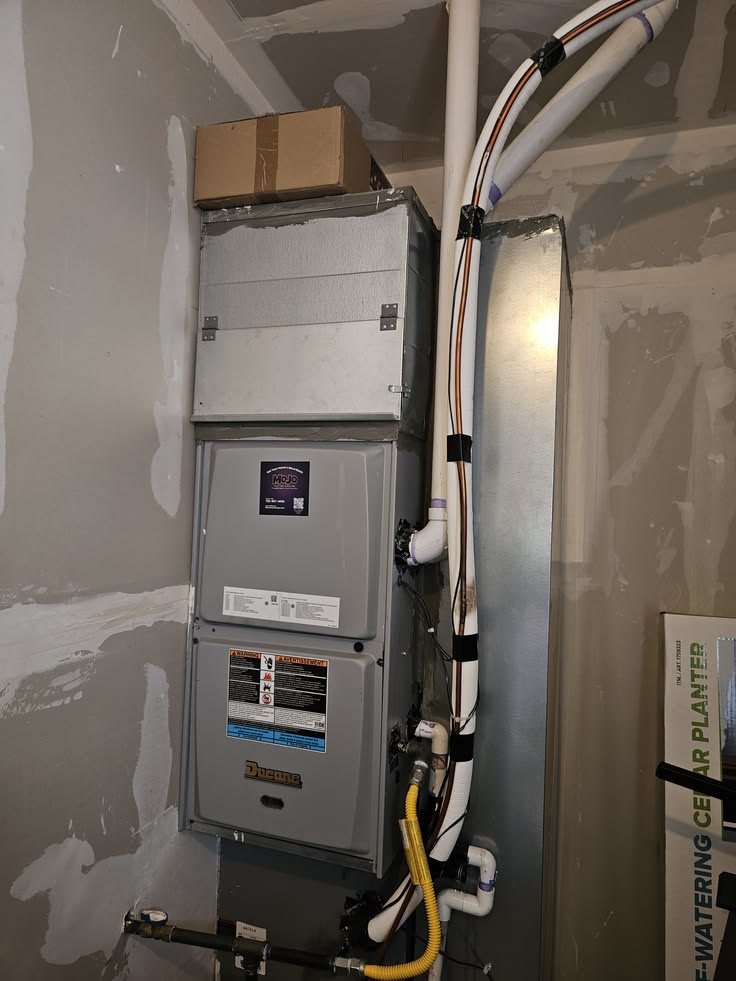
Lone Tree sits up on the ridge above the southern suburbs, newer homes with modern high efficiency furnaces that drain water while they run. When that water freezes during a cold snap, the heat stops. Licensed, insured and family run since 2009.
5-star rated · Local & Family-owned since 2009
Licensed & Insured
Family Owned
NATE Certified
EPA Certified
BBB Accredited
Serving Denver Metro

See your neighbor deals
MoJo Home Services
Furnace Repair
Furnace Repair in Lone Tree, CO
Lone Tree is the highest ground we regularly work, at 5,948 feet, and gas furnaces here carry a 15.8% derate, the steepest in our service area. A 100,000 BTU nameplate is about 84,200 BTU of real input; an 80,000 BTU unit, about 67,400. On the sealed-combustion equipment common in Douglas County, that thin air shows up as draft and lockout faults long before it ever shows up as a comfort complaint.
How much heat does a Lone Tree furnace actually produce?
Start with nameplate input, subtract 15.8%, then apply the efficiency rating. An 80,000 BTU, 95% AFUE furnace in Lone Tree inputs roughly 67,400 BTU and delivers roughly 64,000 BTU into the air stream. The identical unit at sea level would deliver about 76,000. That 12,000 BTU gap is why a furnace sized from a sea-level rule of thumb runs nearly without pause during a cold snap and still loses ground overnight, and why nameplate comparisons between Lone Tree and lower-elevation quotes mislead people.
Why do high-efficiency furnaces in Lone Tree trip pressure switches?
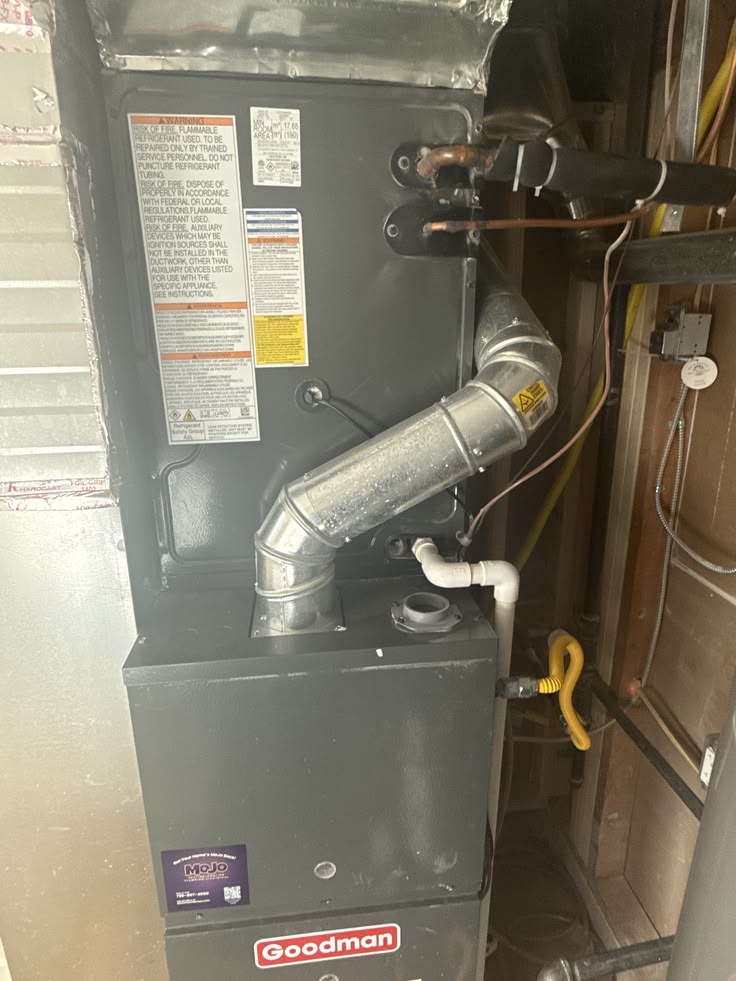
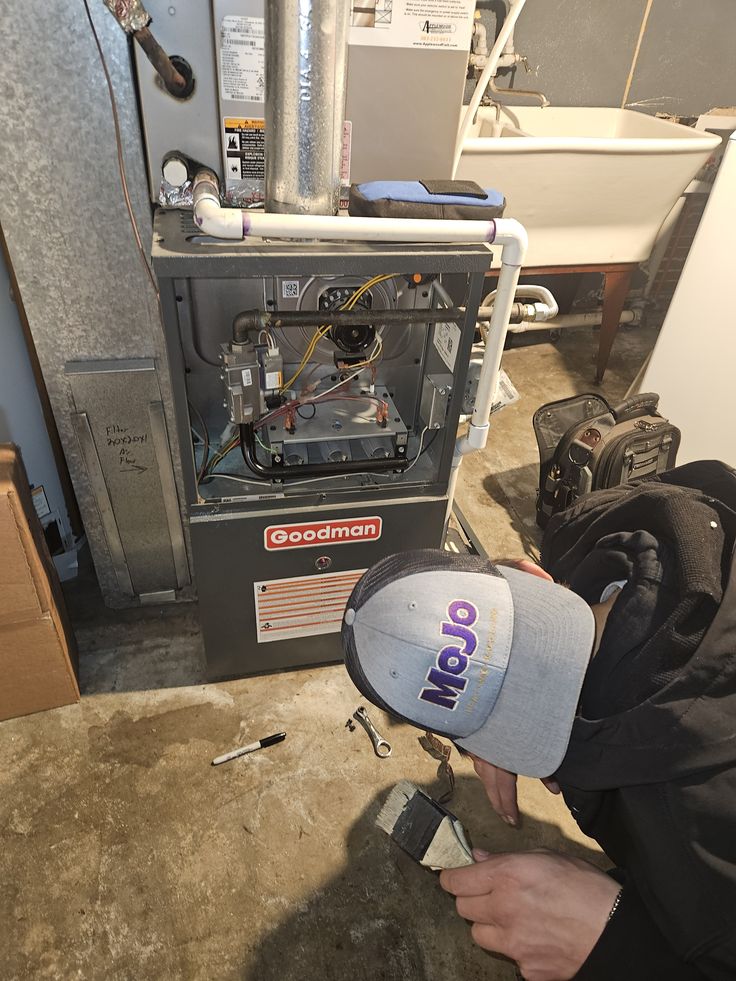
A condensing furnace proves draft with a pressure switch reading a differential in hundredths of an inch of water column. At 5,948 feet the air is thin enough that the inducer generates a smaller differential at the same wheel speed, so the switch sits closer to its trip point than it would anywhere lower in the metro. Anything that adds resistance crosses that margin: a long vent run, a sagging PVC section holding water, a screened termination icing over, a partially plugged condensate trap. The furnace locks out and the homeowner reads it as an electrical fault. It is almost always a draft path problem.
What does freezing condensate do to a Lone Tree furnace?
A 90%-plus furnace makes liquid water, a gallon or more per day in hard weather. If any part of that drain path passes through unconditioned space, or if the vent terminates where the plume can freeze back onto its screen, the trap backs up, the pressure switch opens and the heat stops. This is the most common midwinter no-heat call we see on newer Lone Tree equipment. The fix is clearing and re-routing the drain and correcting the termination, not replacing components.
Does a 15.8% derate change what size furnace a Lone Tree home needs?
It changes the nameplate you buy, not the load you have. The house still needs whatever the Manual J calculation says it needs. Because 15.8% comes off the top at 5,948 feet, a Lone Tree home requiring 70,000 BTU of delivered heat needs a furnace whose derated, post-efficiency output actually reaches that figure, which typically means one nameplate size above the same house near sea level. Going further is not free: a furnace that overshoots short-cycles, and short cycling is what fatigues heat exchangers and burns out igniters early.
Are two-stage or modulating furnaces worth it at 5,948 feet?
Often, and the derate is part of the reason. Sizing to the coldest hour while 15.8% down leaves a furnace substantially oversized for the 40-degree days that make up most of the heating season. A two-stage unit runs low fire most of the time and holds full input for the design day, which cuts short cycling, evens out room-to-room swings and lowers the ignition-cycle count that wears the parts we replace most often. Lone Tree's elevation makes a clearer case for it than lower ground does.
Why does a Lone Tree furnace only struggle on the coldest nights?
Because the derate and the design day compound. On a 40-degree afternoon a furnace giving up 15.8% of its input still has surplus capacity and cycles normally. As outdoor temperature falls, the building's heat loss climbs while the furnace output stays fixed at its derated figure, and the two curves cross. Past that crossing point the furnace runs continuously and indoor temperature drifts down. A homeowner reads that as a failure at 5,948 feet; it is more often correct equipment that was selected against a sea-level number.
Who else near Lone Tree does MoJo serve?
Lone Tree is in Douglas County, which permits heating equipment replacement here. Nearby, Highlands Ranch sits at 5,682 feet with a 14.7% derate, while Castle Pines and the Denver Tech Center round out the corridor. The 1.1-point spread between Lone Tree and Highlands Ranch looks trivial but is about 1,100 BTU on a 100,000 BTU furnace, which is why manifold pressure is verified per address rather than per city. Family-owned since 2009: 720-807-4050.
Where else we work
The same trucks run furnace repair in Highlands Ranch, furnace repair in Denver Tech Center, furnace repair in Castle Pines on the same rotation.
For the other half of the system, AC repair in Lone Tree.
Wider view: furnace repair, or everything in Lone Tree.

Lone Tree
Home Of The $39 Diagnosis
Book your diagnostic today!
The $39 diagnostic service is a professional troubleshooting visit performed by a certified MoJo technician to identify the root cause of an HVAC issue.
Frequently Asked Questions
How much output does a furnace lose at Lone Tree's elevation?
Lone Tree's 5,948 feet produces a 15.8% derate, the largest in our service area. A 100,000 BTU nameplate inputs roughly 84,200 BTU here and an 80,000 BTU unit roughly 67,400. Run an 80,000 BTU, 95% AFUE furnace through that math and it delivers about 64,000 BTU of heat, against roughly 76,000 for the same equipment at sea level.
Why does my high-efficiency furnace in Lone Tree keep locking out?
Most often the pressure switch is opening on inadequate draft. At 5,948 feet the inducer produces a smaller pressure differential in thin air, so the switch runs with little margin. A blocked or iced vent termination, water sitting in a sagging vent run, or a plugged condensate trap is usually enough to push it under. The repair restores the draft and drain path rather than replacing the switch.
Should a Lone Tree furnace be one nameplate size larger?
Usually one size, never two. The calculated heat load of the house is unchanged by elevation, but 15.8% comes off the furnace input at 5,948 feet before efficiency losses, so equipment has to be selected on derated output. Oversizing past that point causes short cycling, which fatigues the heat exchanger, shortens igniter life and produces uneven room temperatures.
Is a two-stage furnace a better choice in Lone Tree?
Frequently, yes. Because sizing has to cover the coldest hour while giving up 15.8% of input, the resulting furnace is oversized for the mild majority of Lone Tree's heating season. A two-stage unit runs low fire most of the time and saves full input for design-day conditions, reducing ignition cycles, evening out temperatures and easing the thermal stress that ends heat exchangers early.
What should I check before calling for furnace repair in Lone Tree?
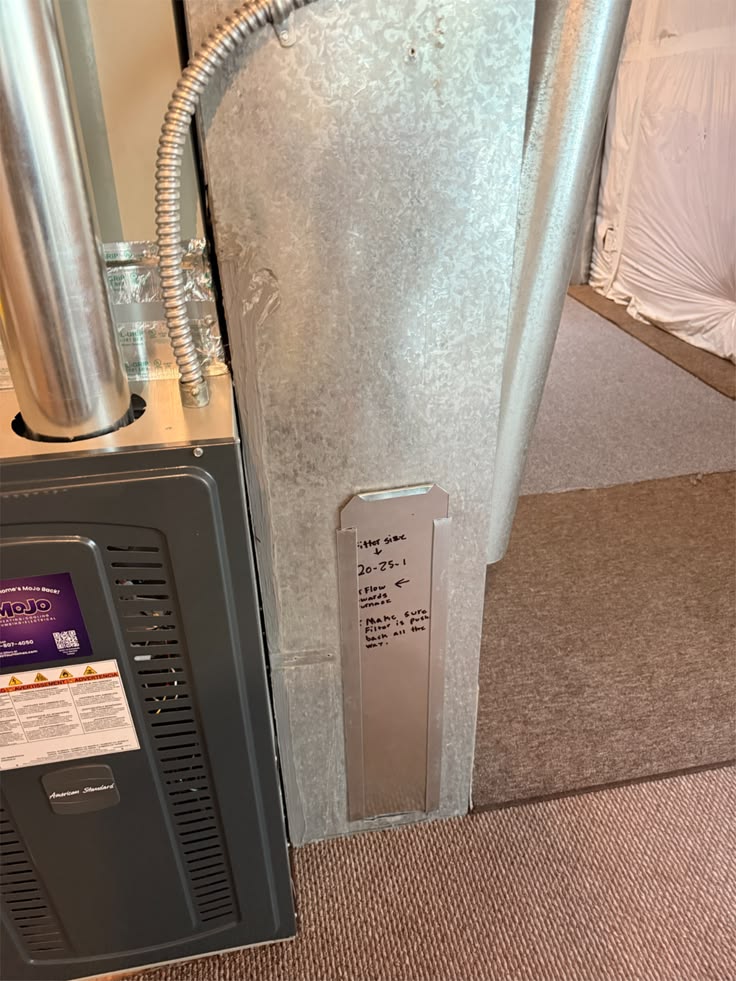
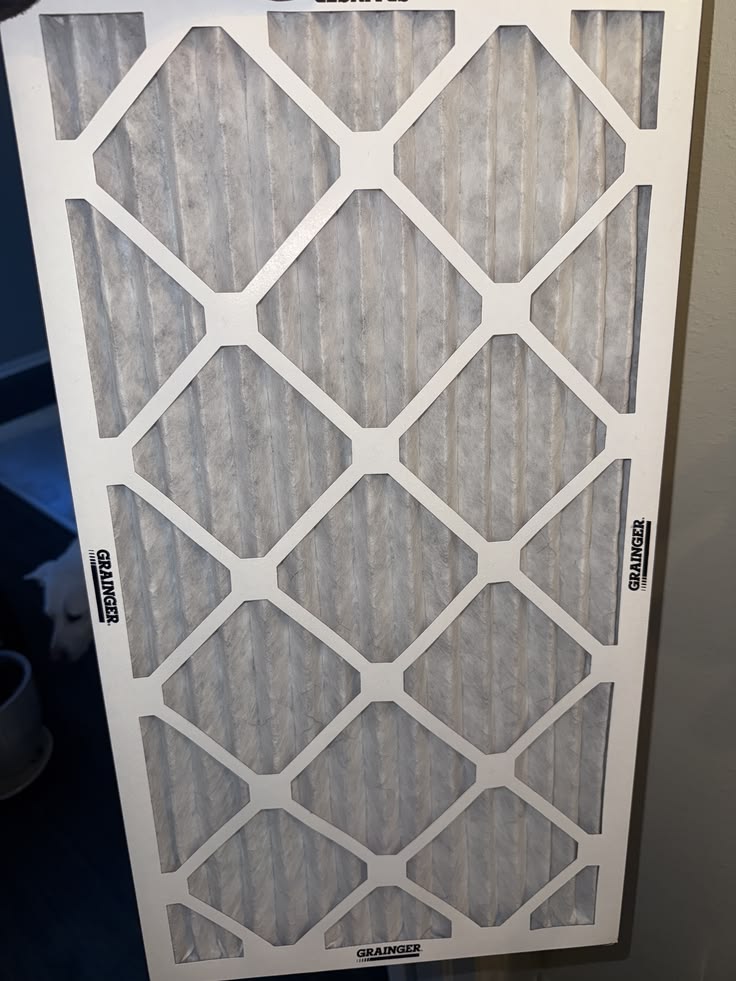
Check the thermostat call and batteries, the furnace switch and breaker, and the filter. On a condensing furnace also look outside at the intake and exhaust terminations for ice or snow blockage, since that alone causes a large share of Lone Tree lockouts at 5,948 feet. Note whether burners light and drop out or never light, then call 720-807-4050 with that detail.
MoJo Home Services
A note for our neighbors
Most people in Lone Tree ask someone they trust before they call anybody, and we are lucky to keep being that answer. Getting recommended for a heating repair by a neighbor who had no reason to bother is the sort of thing that keeps a family business going. Thank you, truly.

Furnace Repair
In
Lone Tree
Share Your Experience
Thank you for supporting our local family business. If we did right by you, we'd love to hear about it on any site you use.
- Write a Google reviewQuick & easy
- Find us on YelpRead what neighbors said
- Review us on FacebookShare with friends
- Recommend us on NextdoorTell your neighbors


Your referrals and reviews not only mean so much to us, they also help the community know who to trust to Get their Home's MoJo Back!
Honest feedback is what we're after, good or bad. If something fell short, call us at the office first and we'll make it right.