Welcome, Neighbors of
Castle Rock
AC Repair in Castle Rock, CO
An air conditioner has to push more air through a house in Castle Rock than the same model would in Denver, simply because the air up here is thinner. People who move down from the city notice it the first hot week. Family owned since 2009, licensed and insured.
5-star rated · Local & Family-owned since 2009
Licensed & Insured
Family Owned
NATE Certified
EPA Certified
BBB Accredited
Serving Denver Metro

See your neighbor deals
MoJo Home Services
Out in your neighborhood · Denver Metro
Castle Rock AC Repair, Douglas County
Castle Rock is the largest community we cover above 6,000 feet: 55,591 residents at 6,224 feet, where the gas derate reaches 16.9% and outdoor air is about 17% less dense than at sea level. That combination - a full town's worth of conventional housing sitting a thousand feet above the metro floor - produces a specific and repeatable failure pattern, and almost all of it is airflow. MoJo Home Services, licensed, insured and EPA-certified, has served this metro since 2009. Call 720-807-4050.
Why does a Castle Rock air conditioner need more airflow than the same model in Denver?
Cooling is a mass-flow problem, not a volume problem. A coil removes heat from the mass of air passing over it, and at 6,224 feet each cubic foot holds about 17% less mass than at sea level. To carry the same mass, the blower has to move roughly 20% more volume - about 482 CFM per ton against the sea-level convention of 400. The equipment nameplate does not say this. A 1,200 CFM blower setting that is correct in Denver is short by around 240 CFM of equivalent mass flow in Castle Rock.
What does that extra airflow do to duct static pressure?
This is the part that catches people. Pressure drop through a duct system rises roughly with the square of flow, so asking for 20% more volume asks the ducts for close to 45% more static pressure. A system installed with a marginal return, a single undersized filter slot, or a long flex run with a sag will hit its blower limit before it reaches the airflow that 6,224 feet requires. The blower does not report this; it simply moves less air than the tables say, and the coil starts running colder than it should.
What does low airflow look like from inside a Castle Rock house?
A temperature split wider than the 18 to 22 degrees a healthy system produces - sometimes 25 or more - combined with a house that still will not reach setpoint. It feels like the air conditioner is working hard, and it is, on too little air. Left alone through a hot week it progresses to a frosted evaporator coil, then to no cooling at all, then to liquid refrigerant returning to a compressor that was not designed to receive it. That last stage is the expensive one, and it began as a filter and a return duct.
Which measurements separate a duct problem from a sealed-system problem?
Total external static pressure across the air handler, measured before and after the coil, against the blower table for that cabinet. If static is high and the split is wide, the fault is airflow and refrigerant gauges will only mislead. If static reads normal and the split is narrow, the sealed system is the suspect. Running that measurement first is what stops a Castle Rock airflow restriction from being misdiagnosed as low charge and topped off with refrigerant it did not need.
What can a Castle Rock homeowner change without a technician?
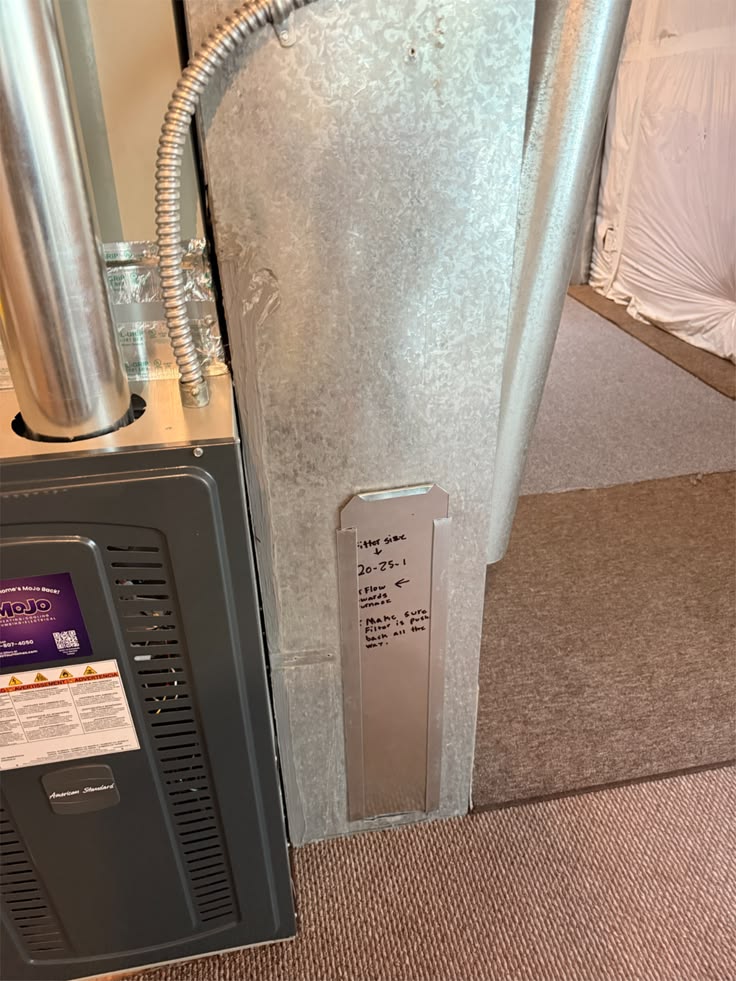
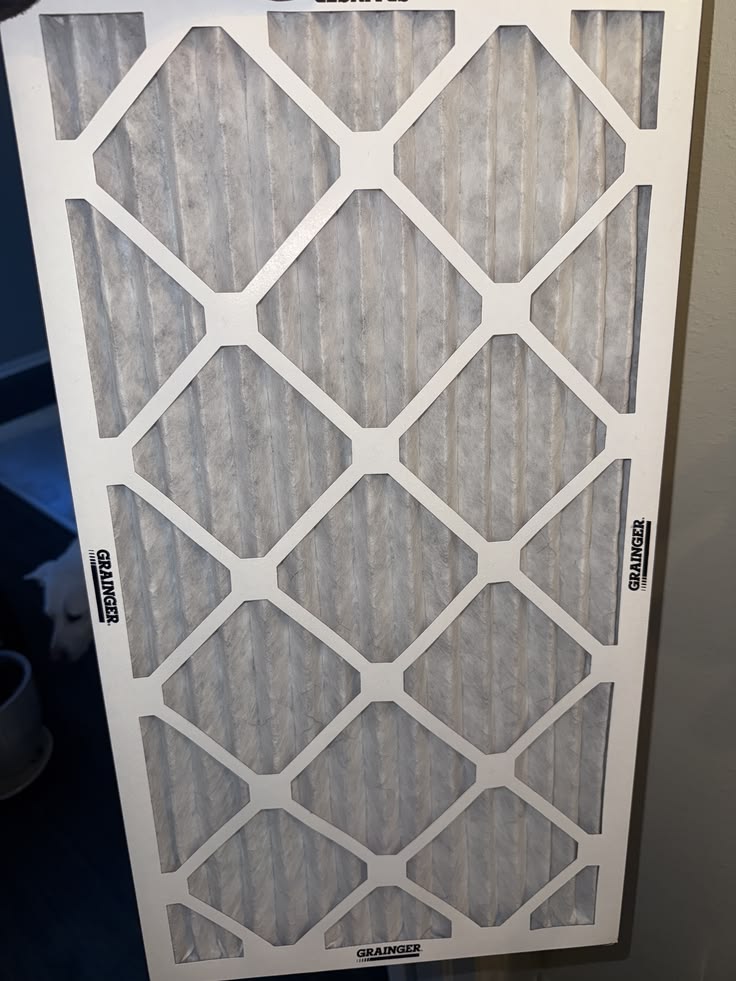
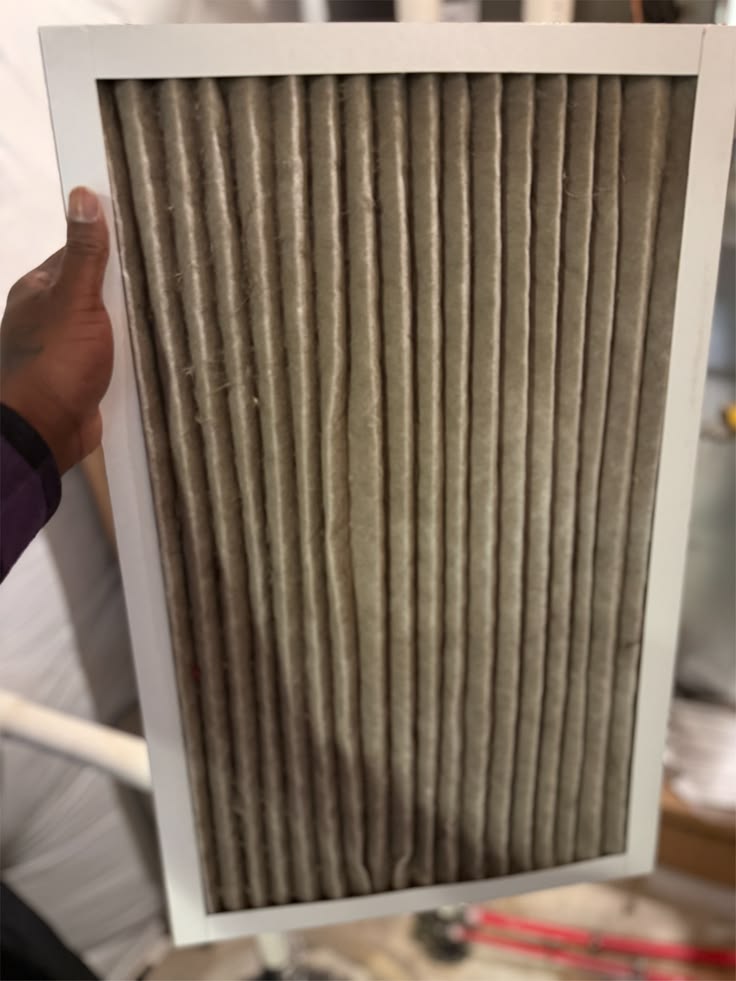
The filter, and it matters more here than at the metro floor. A one-inch pleated filter in a high-efficiency rating consumes a large share of the static pressure budget, and a Castle Rock system needs about 20% more airflow than a sea-level design just to break even. Dropping to a lower-resistance one-inch filter, or moving to a four-inch media cabinet at the same filtration rating, cuts pressure drop substantially because the media area is far larger. Changing it on schedule rather than when it looks dirty is the other half. Neither costs a service call, and together they recover airflow that no refrigerant adjustment can.
How does 16.9% show up on the heating side of the same cabinet?
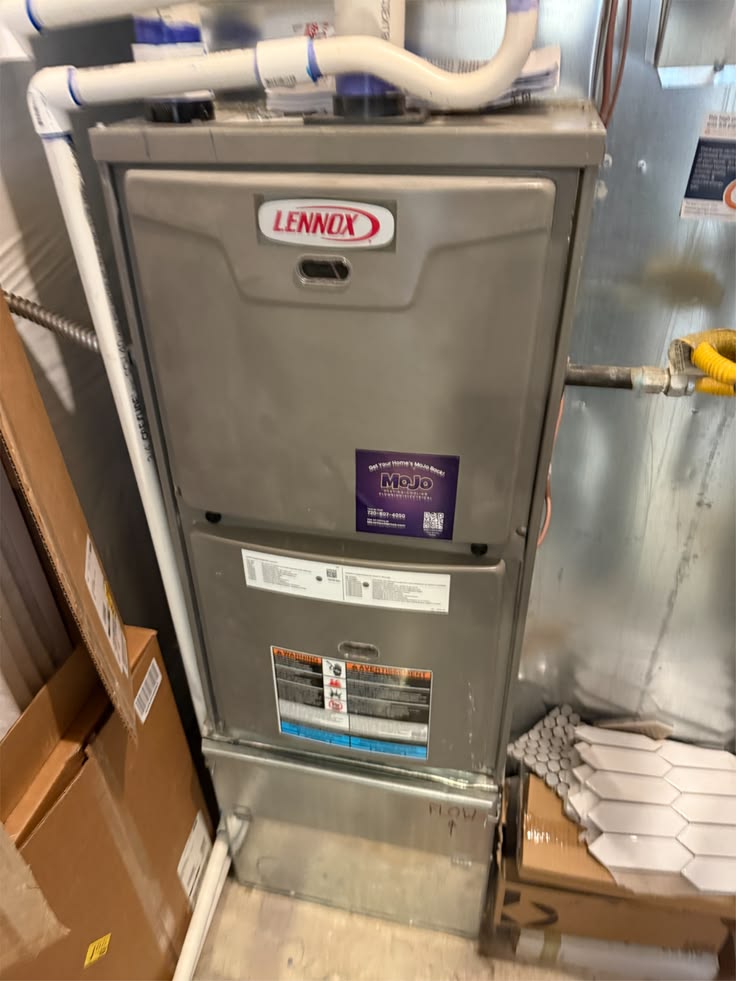
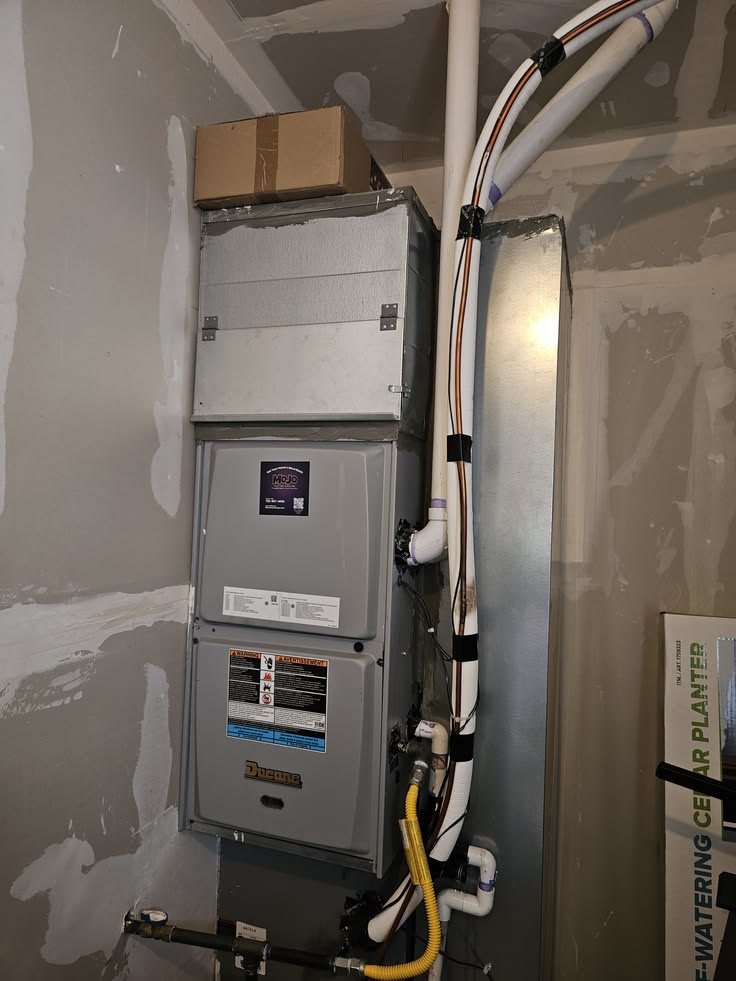
A 90,000 BTU furnace delivers roughly 74,800 BTU/hr at 6,224 feet. Because heating equipment is often specified a size up to cover that loss, the blower in a Castle Rock furnace was sized around a heating airflow. Whether it can also deliver 482 CFM per ton of cooling air against real duct static is a separate question, and one worth asking before adding capacity outdoors.
How does Castle Rock compare with the rest of Douglas County?
It sits between the extremes. Castle Pines is 334 feet higher at 6,558 feet and 18.2%, while Lone Tree at 5,948 feet and Highlands Ranch at 5,682 feet are 276 and 542 feet below. Douglas County is the building authority across all four. Repairs are not permitted work; replacements are, including the disconnect and circuit, and we file them with sizing calculated at 6,224 feet rather than a metro default.
Other Castle Rock-area pages
The crews that cover Castle Rock also run AC repair in Castle Pines, AC repair in Lone Tree, AC repair in Highlands Ranch.
If it is the other system acting up instead, start at furnace repair in Castle Rock.
See AC repair for the service itself, or everything in Castle Rock for everything we do there.

Castle Rock
Home Of The $39 Diagnosis
Book your diagnostic today!
The $39 diagnostic service is a professional troubleshooting visit performed by a certified MoJo technician to identify the root cause of an HVAC issue.
Frequently Asked Questions
How much airflow does an air conditioner need in Castle Rock?
About 482 CFM per ton, compared with the 400 CFM per ton used at sea level. Castle Rock's 6,224-foot elevation leaves air roughly 17% less dense, so around 20% more volume is required to carry the same mass across the evaporator coil. Most existing duct systems were not sized for that, which is why airflow is the dominant fault we find here.
Why is my Castle Rock AC freezing up?
Almost always insufficient airflow across the evaporator coil. At 6,224 feet the system already needs roughly 20% more volume than a sea-level design, so a loaded filter, a closed return, or an undersized duct pushes coil temperature below freezing and ice forms. Adding refrigerant to a frozen coil makes it worse. The fix is restoring airflow, then verifying static pressure against the blower table.
What is Castle Rock's altitude derate?
16.9%, which is what 6,224 feet yields under the four-percent-per-thousand-feet convention - the second-highest figure on our service map behind Castle Pines at 18.2%. A 90,000 BTU furnace delivers about 74,800 BTU/hr here. On a cooling call it matters because the larger furnace chosen to offset the loss also contains the blower that moves cooling air.
Does thin air at 6,224 feet damage an air conditioner?
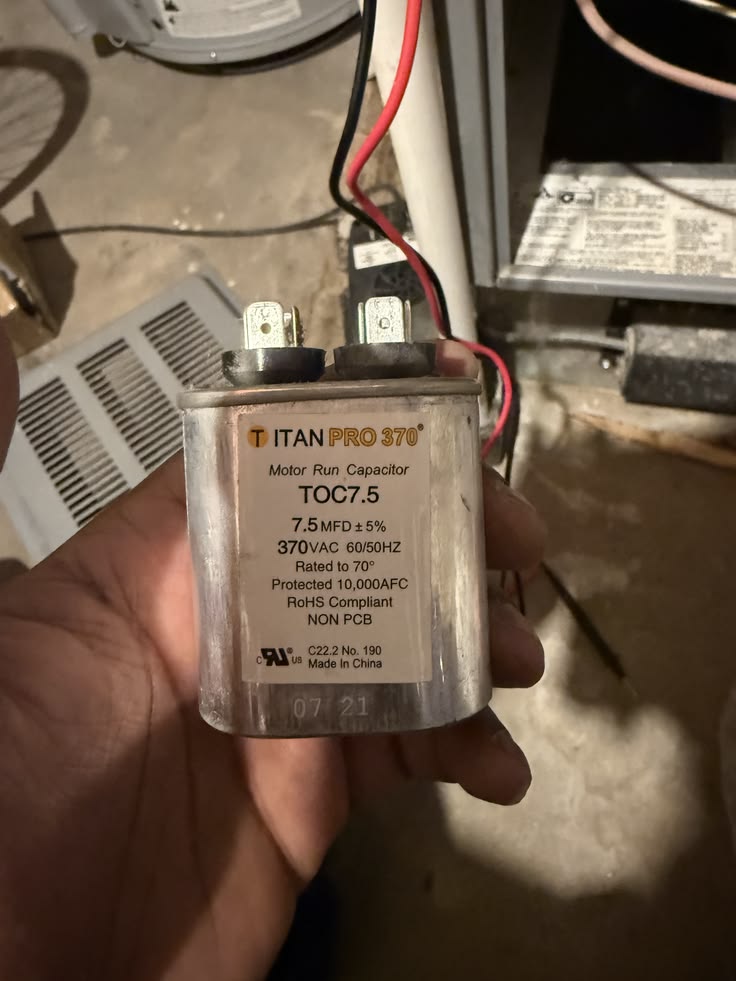
Not directly, but it removes margin. With about 17% less air mass available for the condenser to reject heat into, head pressure runs higher at any given outdoor temperature. A dirty coil or a weak capacitor that a lower-elevation unit would tolerate can push a Castle Rock system into a high-pressure trip, so routine coil cleaning matters more here than at the metro floor.
Does Castle Rock AC replacement require a permit?
Yes. Douglas County is the building authority for Castle Rock's 55,591 residents, and replacing a condenser or a complete system requires a permit along with the electrical disconnect and circuit feeding it. Straightforward repairs do not. MoJo Home Services files the permit and calculates the load at 6,224 feet rather than importing a figure from a lower address.
MoJo Home Services
A note for our neighbors
Castle Rock has grown quickly and still runs on people asking each other who to call. Plenty of our air conditioner repair customers here found us because a neighbor spoke up, and we would rather earn work that way than any other. Thank you for putting our name in the conversation.

On the job
In
Castle Rock
Share Your Experience
Thank you for supporting our local family business. If we did right by you, we'd love to hear about it on any site you use.
- Write a Google reviewQuick & easy
- Find us on YelpRead what neighbors said
- Review us on FacebookShare with friends
- Recommend us on NextdoorTell your neighbors


Your referrals and reviews not only mean so much to us, they also help the community know who to trust to Get their Home's MoJo Back!
Honest feedback is what we're after, good or bad. If something fell short, call us at the office first and we'll make it right.