By :
Prepare your home for Colorado's weather! Our guide helps Denver area homeowners with seasonal HVAC maintenance, repairs, and efficiency tips.
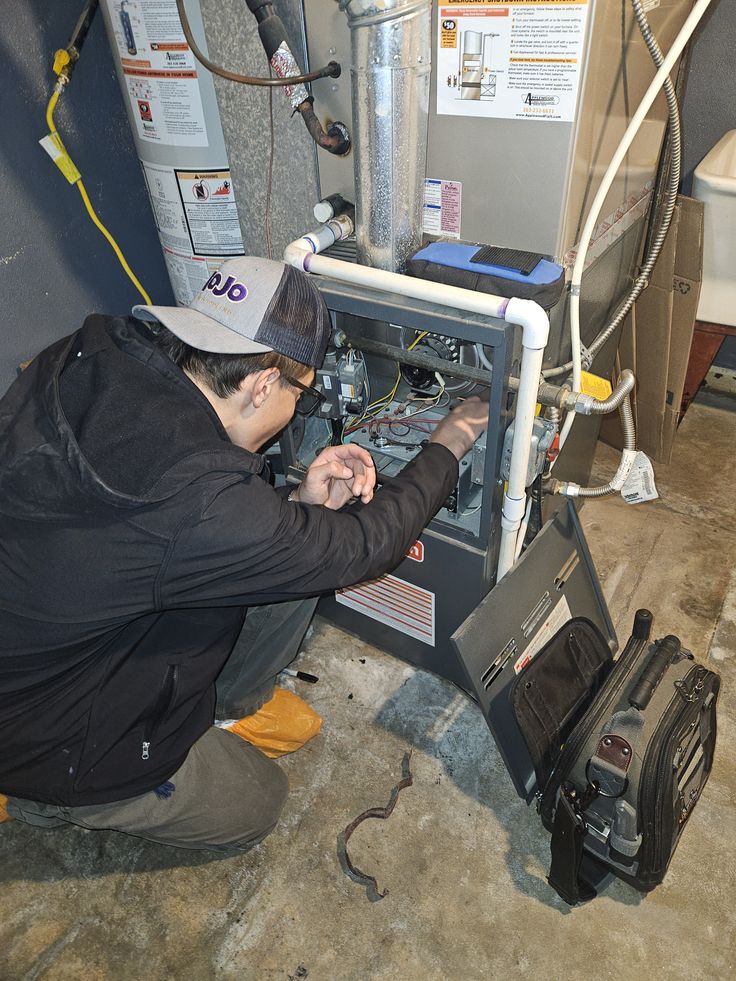
Living in the Denver Metro Area means loving the sunshine, but it also means being ready for unpredictable weather. One day it’s a perfect 75 degrees, and the next, a surprise snowstorm rolls in over the Rockies. These wild swings are exactly why having a reliable HVAC system isn’t a luxury—it’s a necessity.
Your heating and cooling system works hard all year. But is it ready to handle a sudden heatwave or an early freeze? This guide will walk you through the seasonal steps you can take to ensure your system is efficient, effective, and prepared for anything Colorado throws its way.
Why Seasonal HVAC Maintenance is Crucial in Colorado
Think about the journey your HVAC system takes each year. It battles summer heat in Westminster and then, with little rest, pivots to fight off the bitter cold that settles over Littleton. This constant demand puts significant strain on its components.
Without regular care, your system loses efficiency. This means your energy bills creep up, and the risk of a sudden breakdown increases. Seasonal maintenance is preventative care. It catches small problems before they become expensive emergencies, ensuring your home stays comfortable year-round.
End-of-Summer AC Tune-Up Checklist
As the intense summer heat begins to fade, don't just forget about your air conditioner. Giving it some attention now ensures it’s in good shape for the next heatwave. A little effort can prevent a major headache next summer.
Here are a few things you can do:
Clean the Outdoor Unit: Your condenser unit outside has been working hard. Gently clear away any leaves, grass clippings, or debris that have collected around it. Good airflow is key to efficiency.
Change the Air Filter: This is the simplest yet most important task. A clogged filter restricts airflow, forcing your AC to work harder. Check it monthly and replace it when it's dirty.
Listen for Strange Noises: When your AC runs, do you hear any grinding, squealing, or rattling? Unusual sounds often signal a problem with a fan motor or belt. If you hear something off, you may need professional AC repair in Aurora to diagnose the issue before it gets worse.
Check for Water Pooling: Look for any water pooling around your indoor furnace unit. This could indicate a clogged condensate drain line, which is a simple fix for a professional but can cause water damage if ignored.
Getting Your Furnace Ready for the First Freeze
That first chilly night in Thornton can arrive sooner than you think. You don't want to discover your furnace is on the fritz when you need it most. Preparing your heating system is just as important as winding down your AC.
Follow these steps to get your furnace winter-ready:
Test Your Thermostat: Switch your thermostat from “cool” to “heat” and turn the temperature up a few degrees. You should hear the furnace kick on within a minute or two. If it doesn’t, you might have a thermostat or ignition problem.
Inspect Your Vents: Walk through your home and make sure all heating vents are open and not blocked by furniture or rugs. Proper airflow ensures every room gets heated evenly.
Listen on the First Startup: Pay attention when the furnace turns on for the first time. Loud banging or rumbling sounds can indicate an issue with the ignition system or burners.
Schedule a Professional Tune-Up: The best way to ensure safety and efficiency is with a professional check. An expert performing furnace maintenance near Lakewood will inspect the heat exchanger for cracks, clean the burners, and check all safety controls.
Signs You Need Professional HVAC Services in Denver
Sometimes, a simple tune-up isn't enough. Your system might be trying to tell you that it needs a repair or is nearing the end of its life. Ignoring these signs can lead to higher costs and a complete system failure.
Watch out for these red flags:
Rising Energy Bills: If your utility bills are suddenly much higher without a change in your usage, your system is likely losing efficiency due to age or a malfunctioning part.
Uneven Heating or Cooling: Are some rooms in your house comfortable while others are too hot or cold? This could be a sign of ductwork problems, a failing motor, or an improperly sized system.
Frequent Cycles: If your AC or furnace turns on and off constantly, it’s called short cycling. This puts major wear and tear on the system and is a clear sign that you need a professional diagnosis.
Strange Smells or Loud Noises: A burning smell could indicate an electrical issue, while a musty odor might mean mold in your ductwork. Don't ignore these sensory clues.
If you notice any of these issues, it's time to call for professional HVAC services in Denver. A trained technician can quickly and safely identify the root cause.
Your Local Partner for All Seasons
Keeping your home comfortable throughout Colorado's changing seasons doesn't have to be a challenge. With a little proactive maintenance and an eye for warning signs, you can keep your HVAC system running smoothly and efficiently.
Whether you need a routine tune-up, an emergency repair, or advice on upgrading to a more energy-efficient system, our team is here to help. We proudly serve homeowners across the Denver Metro Area, from Aurora to Lakewood and beyond. Contact us today to schedule your seasonal maintenance and enjoy peace of mind all year long.
Sources & References
National Oceanic and Atmospheric Administration (NOAA) - Colorado Climate Data and Seasonal Weather Patterns, 2024
Colorado State University, Colorado Climate Center: Front Range Weather Trends, 2024
U.S. Department of Energy, "Seasonal Energy Efficiency Tips for Homeowners," 2024
North American Technician Excellence (NATE), "Seasonal HVAC Maintenance Certification Standards," 2024
Denver Building and Fire Code, Residential HVAC Requirements, City and County of Denver, 2024
Xcel Energy - Seasonal Home Energy Management Programs, 2025
Prepare your home for Colorado's unpredictable weather. MoJo Home Services provides comprehensive seasonal HVAC maintenance throughout the Denver Metro Area. Contact us at 4000 Newman St, Wheat Ridge, CO 80033 or call (720) 807-4050.
Frequently Asked Questions
How often should I have my HVAC system serviced in Colorado?
Twice a year is the recommended standard for Colorado homeowners — a tune-up for your air conditioner at the end of summer and one for your furnace before the first freeze. Colorado's dramatic seasonal swings put extra strain on your system, making consistent preventative maintenance especially important for avoiding unexpected breakdowns.
How often should I change my HVAC air filter?
You should check your air filter monthly and replace it as soon as it looks dirty. A clogged filter restricts airflow and forces your system to work harder than it should, driving up your energy bills and putting unnecessary wear on the components. It's the simplest and most affordable maintenance task a homeowner can do.
What can I do myself to prepare my AC for the end of summer?
There are a few easy steps you can take on your own. Clear away any leaves, grass clippings, or debris from around your outdoor condenser unit to keep airflow strong. Replace your air filter if it's dirty. Listen for any unusual noises like grinding or squealing when the unit runs, and check around your indoor unit for any pooling water that could signal a clogged drain line.
How do I test my furnace before winter arrives?
Switch your thermostat from "cool" to "heat" and raise the temperature a few degrees above room temperature. Your furnace should kick on within a minute or two. If it doesn't start, you may have a thermostat or ignition issue. Also walk through your home to make sure all heating vents are open and unobstructed by furniture or rugs so heat distributes evenly.
What does short cycling mean and should I be worried?
Short cycling is when your furnace or air conditioner turns on and off repeatedly in short bursts instead of completing a full cycle. It causes uneven temperatures throughout your home and puts serious wear on the system's components. It's a clear sign something is wrong and warrants a professional diagnosis before the problem leads to a more expensive repair or full system failure.
Can dirty ductwork cause uneven heating and cooling in my home?
Yes. If some rooms in your home feel comfortable while others are consistently too hot or too cold, ductwork problems are often the culprit. Leaks, blockages, or buildup inside your ducts prevent conditioned air from reaching every room evenly. A professional HVAC inspection can determine whether your ductwork is the source of the problem.
What do strange HVAC smells mean?
Different smells point to different problems. A burning smell often signals an electrical issue that needs immediate attention. A musty odor can indicate mold growing inside your ductwork or AC unit. A rotten egg smell is especially serious and may mean a natural gas leak, which requires you to leave your home and call for emergency help right away.
Why does preventative HVAC maintenance save money in the long run?
A neglected system gradually loses efficiency, which causes your energy bills to creep up over time. More importantly, small problems that go undetected during one season can turn into expensive emergency repairs or a full system failure the next. Regular tune-ups catch those issues early when they're still inexpensive to fix, extending your system's lifespan and protecting your investment.
Related Resources