
TL;DR
Furnace Repair
If your furnace isn't igniting, common culprits include a faulty igniter, an extinguished pilot light, or a dirty flame sensor. Denver homeowners can perform basic checks like thermostat settings, power supply, and air filters, but issues involving gas or electrical components should always be handled by a NATE-certified professional to ensure safety and proper operation.
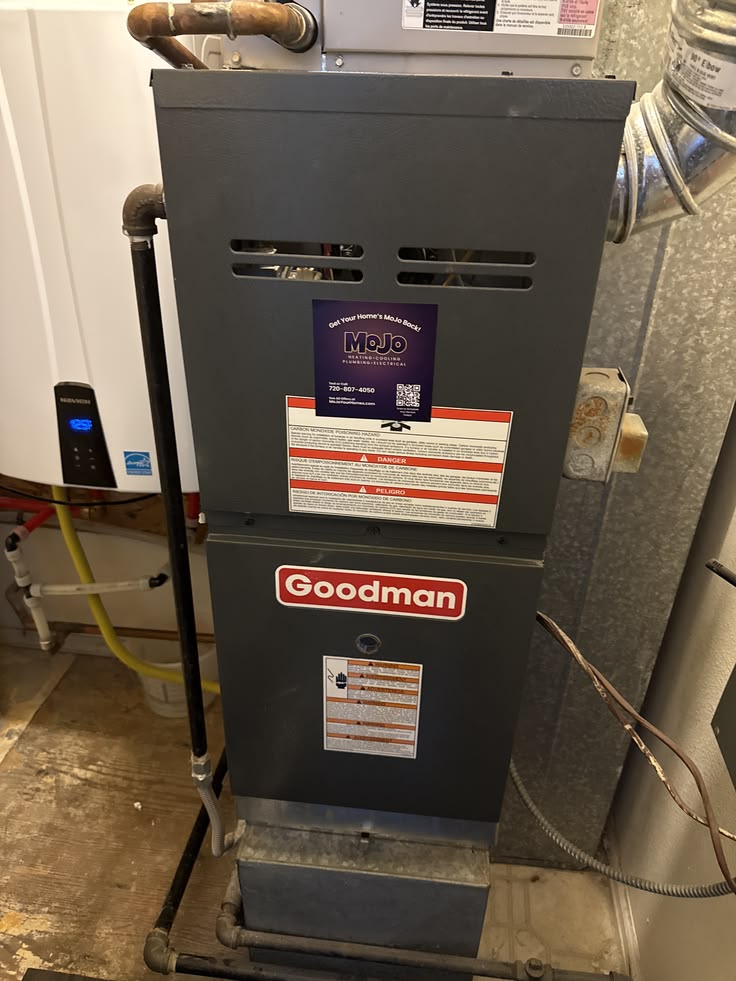
When the chill hits the Mile High City, few things are more frustrating than a furnace that won't ignite. Especially in Denver, where temperatures can plummet rapidly, a malfunctioning furnace isn't just an inconvenience; it's a critical comfort and safety issue. If you're wondering, "why won't my furnace ignite?" you're not alone. This is a common service call our NATE-certified technicians at MoJo Home Services receive, particularly during the unpredictable fall and winter seasons here in Colorado.
Whether your furnace uses a pilot light or an electronic igniter, the goal is the same: safely light the burners to heat your home. When that process fails, it often points to a few key culprits: issues with the igniter, the pilot light, or the flame sensor. While some basic troubleshooting can be done by homeowners in areas like Lakewood or Arvada, electrical and gas components can be dangerous, and professional assistance is often required. We're here to guide you through understanding the common reasons for ignition failure and when it's time to call in the experts.
Understanding Your Furnace's Ignition System
Before diving into troubleshooting, it's helpful to understand how your furnace is supposed to ignite. Modern furnaces primarily use one of two ignition systems:
Pilot Light: Older furnaces, especially those found in some of Denver's more established neighborhoods like Capitol Hill or Wash Park, often use a standing pilot light. This is a small, continuous flame that ignites the main burners when the thermostat calls for heat. If this pilot light goes out, the furnace won't ignite.
Electronic Ignition: Most modern, high-efficiency furnaces use an electronic ignition system, which is safer and more energy-efficient because it only ignites when heat is needed. There are two main types: hot surface igniters (HSI) and intermittent pilot lights.
Both systems rely on precise timing and clear pathways to function correctly. When one of these components fails, your furnace will typically go through its start-up sequence, but without successful ignition, it will shut down as a safety precaution. Understanding how a furnace works step-by-step can help you pinpoint where the ignition process is breaking down.
Common Reasons a Furnace Won't Ignite
A furnace failing to ignite can stem from several issues, ranging from simple fixes to more complex component failures. Here are the most common problems we encounter:
1. Thermostat Malfunctions or Incorrect Settings
It might seem obvious, but always start with the thermostat. If your thermostat isn't calling for heat, your furnace won't even attempt to ignite. Check the following:
Power: Ensure the thermostat has power (fresh batteries if applicable, or check the circuit breaker).
Settings: Confirm it's set to "Heat" mode and the temperature setting is significantly higher than the ambient room temperature.
Fan Setting: Make sure the fan is set to "Auto" rather than "On" (unless you specifically want continuous fan operation).
Sometimes, a simple adjustment is all that's needed to get your furnace back on track. For more advanced control and potential energy savings, consider smart thermostat features that actually save you money.
2. No Power to the Furnace
Without electricity, your furnace's ignition system can't operate. Check these power-related issues:
Circuit Breaker: Locate your home's electrical panel (often in the basement, garage, or utility closet). Look for a tripped breaker labeled "Furnace" or "HVAC." Flip it completely off, then firmly back on.
Furnace Power Switch: Many furnaces have a dedicated power switch on or near the unit, resembling a light switch. Ensure it's in the "On" position. This switch is often accidentally flipped off during other maintenance or by children.
Emergency Shut-Off: Some furnaces have an emergency shut-off switch, often at the top of the basement stairs or in a crawl space, designed for quick power cutoff in an emergency. Confirm it's in the "On" position.
3. Faulty Hot Surface Igniter (HSI)
For modern furnaces with electronic ignition, a hot surface igniter is a common point of failure. The HSI is a delicate component that heats up to a glowing orange and ignites the gas. If it's cracked, broken, or simply worn out, it won't produce enough heat to ignite the gas. You might observe the igniter glowing faintly or not at all during the start-up sequence. The extreme temperature swings and dry air common to the Denver Metro Area can contribute to the wear and tear on these components, leading to a shorter lifespan than in more temperate climates.
If you suspect a faulty HSI, it's best to call a professional. Handling these components requires care and expertise to avoid further damage or injury. Our team specializes in furnace repair for all types of ignition systems.
4. Extinguished Pilot Light (Older Furnaces)
If your furnace has a standing pilot light and it's out, your furnace won't ignite. This can happen due to drafts, a dirty pilot orifice, or a faulty thermocouple (which senses the pilot flame and keeps the gas valve open). Relighting a pilot light often involves specific steps outlined on a label inside your furnace's access panel:
Locate the Pilot: Open the furnace access panel and look for the pilot assembly.
Turn Gas Valve: Find the gas control knob, often labeled "On," "Off," and "Pilot." Turn it to "Off," wait 5 minutes for any residual gas to dissipate, then turn it to "Pilot."
Light the Pilot: Press and hold the reset button (often on the gas valve) and use a long lighter or match to ignite the pilot. Keep holding the button for about 60 seconds after ignition to allow the thermocouple to heat up.
Release and Restart: Release the button. If the pilot stays lit, turn the gas control knob to "On" and close the access panel. Then, set your thermostat to call for heat.
If the pilot light won't stay lit, it's usually a sign of a bad thermocouple, which is a job for a qualified HVAC technician. For older homes in areas like Littleton or Centennial with these types of systems, regular seasonal maintenance is key to preventing pilot light issues.
5. Dirty or Faulty Flame Sensor
The flame sensor is a critical safety device in modern furnaces. Once the igniter lights the main burners, the flame sensor detects the presence of a flame. If it doesn't sense a flame within a few seconds, it tells the furnace's control board to shut off the gas supply, preventing a dangerous buildup of uncombusted gas. A dirty flame sensor, often coated with carbon buildup, won't be able to "see" the flame, leading to the furnace attempting to ignite, briefly igniting, and then shutting down almost immediately. You might hear the igniter glow, the gas valve open, a small "whoosh" of ignition, followed by a click and shutdown.
Cleaning a flame sensor can sometimes resolve this issue. This usually involves carefully removing it and gently cleaning the rod with fine-grit sandpaper or steel wool. However, if the sensor is faulty, it will need replacement. Because the flame sensor is a critical safety device, it is always recommended to have a NATE-certified technician inspect and replace it if necessary to ensure your furnace operates safely. You can also explore our guide on emergency fixes before calling a tech for other common furnace problems.
6. Restricted Airflow or Dirty Filters
While not a direct cause of ignition failure, restricted airflow can indirectly contribute to furnace problems, including overheating and safety shutdowns that mimic ignition issues. A severely clogged air filter can reduce airflow across the heat exchanger, causing the furnace to overheat and trip a high-limit switch. This safety mechanism shuts down the furnace to prevent damage, and it won't restart until it cools down and the issue is resolved.
Regularly checking and replacing your furnace filter is crucial, especially in Denver with its dry, dusty conditions and seasonal allergens like cottonwood. We recommend checking filters monthly and replacing them every 1-3 months, depending on usage and household conditions. If your furnace is struggling with airflow, it might be a sign it needs professional maintenance.
When to Call a Professional for Furnace Ignition Problems
While basic troubleshooting can sometimes resolve furnace ignition issues, certain problems require the expertise of a licensed HVAC professional. Anytime you are dealing with gas lines, electrical components, or if you are unsure about any step, it's always safer to call for assistance. Our NATE-certified technicians are trained to diagnose and repair all types of furnace ignition issues quickly and safely.
You should call us if:
You smell gas – this is an emergency! Immediately open windows, evacuate your home, and call your gas company and 911. Do not use any electronics or switches.
The pilot light won't stay lit after multiple attempts.
The hot surface igniter is cracked, broken, or not glowing.
The flame sensor has been cleaned but the furnace still cycles off quickly after ignition.
You've checked the thermostat, power, and filters, and the furnace still won't ignite.
You're uncomfortable working with electrical or gas components.
Trying to force a furnace to start or attempting repairs beyond your comfort level can be dangerous and could void your warranty. When your furnace won't ignite, our expert team is ready to provide prompt and reliable furnace repair in Denver.
Your Local Heating Partner in Denver
At MoJo Home Services, we understand the unique heating challenges faced by homeowners in the Denver Metro Area. From the impact of 5,280 feet altitude on combustion to sudden cold snaps, our NATE-certified and EPA-certified technicians have 16+ years of experience ensuring Denver homes stay warm and safe.
Don't let a non-igniting furnace leave you in the cold. Our BBB-accredited team provides comprehensive heating repair services, from quick troubleshooting to complex component replacements. For reliable, expert service, contact us today. We proudly serve communities like Thornton, Westminster, and beyond, delivering peace of mind with every service call.
If you're considering a new furnace or simply want to budget for future repairs, our handy HVAC price calculator can give you an instant estimate for various system types and efficiencies, helping you plan ahead for potential upgrades or replacements. For more information on furnace replacement costs in the Denver area, you can also read our guide on Furnace Replacement Cost in Denver.
Ready to get your furnace back in working order? Contact MoJo Home Services for fast, professional heating service across the Denver Metro Area.

Sources & References
U.S. Department of Energy - Furnaces and Boilers, 2023
Environmental Protection Agency (EPA) - ENERGY STAR Furnaces, 2024
National Fire Protection Association (NFPA) - Heating Equipment Safety, 2023
Air Conditioning Contractors of America (ACCA) - HVAC System Design & Installation Standards, 2022
NATE (North American Technician Excellence) - NATE Certified Technicians, 2024
Xcel Energy Colorado - Home Energy & Efficiency Resources, 2024
Need expert furnace repair in Denver? MoJo Home Services provides professional heating and cooling services throughout the Denver Metro Area. Contact us at 4000 Newman St, Wheat Ridge, CO 80033 or call (720) 807-4050 for same-day service.
Frequently Asked Questions
What are the common causes of a furnace not igniting?
The most common reasons a furnace won't ignite include thermostat issues (incorrect settings or no power), a tripped circuit breaker, an extinguished pilot light (for older furnaces), a faulty hot surface igniter, or a dirty/malfunctioning flame sensor. Restricted airflow from a clogged filter can also cause safety shutdowns that prevent ignition. Addressing these issues can sometimes be a DIY fix, but many require professional attention due to safety risks associated with gas and electrical components.
What is the average cost to replace a furnace ignitor?
The average cost to replace a furnace ignitor in the Denver Metro Area typically ranges from $200 to $400, including parts and labor. This can vary based on the specific furnace model, the type of ignitor (hot surface igniter vs. spark igniter), and the complexity of the installation. While the ignitor itself is not extremely expensive, the cost primarily covers the diagnostic time and skilled labor of a NATE-certified technician to ensure proper and safe replacement.
How do I force my furnace to start?
You cannot "force" a furnace to start if there's an underlying safety issue. Attempting to bypass safety mechanisms is extremely dangerous and should never be done. Instead, try these troubleshooting steps: confirm the thermostat is set to heat and a high temperature, check the circuit breaker, ensure the furnace power switch is on, and if it's an older furnace, try to relight the pilot light according to the instructions on the unit. If these steps don't work, it's a sign to call a professional HVAC technician.
How can you tell if a furnace flame sensor is bad?
A common sign of a bad or dirty flame sensor is when your furnace ignites the burners briefly (you'll hear a whoosh and see the flame), but then shuts off after only a few seconds. The furnace will then attempt to ignite again, repeating this cycle. This happens because the flame sensor can't detect the flame, signaling to the control board that there's no ignition, and prompting a safety shutdown. While cleaning the sensor can sometimes fix a dirty one, if the problem persists, the sensor likely needs to be replaced by a professional.
Does Denver's altitude affect furnace ignition?
Yes, Denver's altitude of 5,280 feet can subtly affect furnace operation and ignition. Lower atmospheric pressure at higher altitudes means there's less oxygen available for combustion. Furnaces are designed with specific air-to-fuel ratios, and if not properly adjusted or maintained for altitude, this can impact combustion efficiency and potentially lead to issues with flame sensing or igniter performance over time. It's why proper furnace sizing and regular maintenance by local experts are so crucial in the Mile High City.
When should I call for professional furnace repair in the Denver area?
You should call for professional furnace repair in the Denver area if you smell gas, if the furnace attempts to ignite but continuously fails, if the pilot light won't stay lit, or if you've performed basic troubleshooting (thermostat, circuit breaker, filter) without success. Anytime you're uncomfortable working with electrical or gas components, or if the issue seems complex, it's safest to contact NATE-certified professionals like MoJo Home Services for a safe and accurate diagnosis and repair.
Related Resources


