TL;DR
Troubleshooting
If your furnace is leaking water, common causes include clogged condensate lines, issues with your AC's evaporator coil, or a malfunctioning humidifier, especially in high-efficiency models. Some minor leaks have DIY fixes, but severe problems like a cracked heat exchanger or persistent issues require immediate professional attention to ensure safety and proper operation. Regular maintenance and prompt action on small issues can prevent larger problems and keep your heating system running efficiently.

Waking up to a puddle around your furnace in a Denver winter can be alarming. When your furnace starts leaking water, it's not just a mess; it can signal a deeper problem that affects your home's comfort and safety. Here in the Mile High City, where temperatures can swing dramatically, your HVAC system works hard, and any malfunction needs quick attention. While a furnace leaking water might seem like a dire emergency, many common causes are surprisingly simple to diagnose, and some even have straightforward DIY fixes. However, knowing when to call a professional is crucial to prevent further damage and ensure your heating system operates safely.
At MoJo Home Services, our NATE-certified technicians have seen every kind of furnace leak across the Denver Metro Area, from older homes in Capitol Hill to newer builds in Highlands Ranch. We're here to explain why your furnace might be leaking water, what steps you can take, and when it's time to bring in the experts.
Understanding Your Furnace: Condensing vs. Non-Condensing
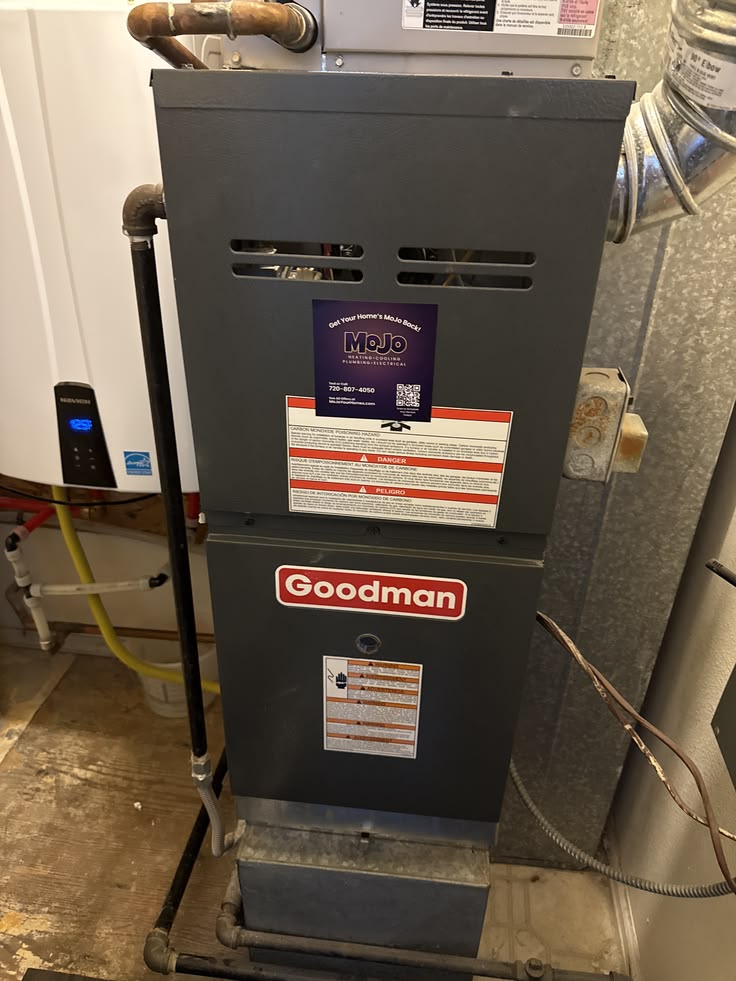
The first step in diagnosing a leak is understanding your furnace type. Modern high-efficiency furnaces (often with AFUE ratings of 90% or higher) are typically condensing furnaces. This means they're designed to extract extra heat from exhaust gases by cooling them down to the point where water vapor condenses. This condensate is then safely drained away. If you have a condensing furnace, seeing water is normal, but only if it's draining properly. Older, less efficient furnaces (typically below 80% AFUE) are usually non-condensing and are not designed to produce condensate, so any water leak from these systems is almost always a sign of trouble.
Understanding the fundamental difference can help you narrow down the potential causes of your leak. If you’re unsure about your furnace’s efficiency or how it works, our comprehensive guide, How Does a Furnace Work? Step-by-Step Guide, can provide more insight into your heating system.
Common Reasons Your Furnace is Leaking Water (and What to Do)
A furnace leaking water can stem from several issues, some of which are easily fixable, while others require professional expertise. Let's break down the most common culprits:
1. Clogged Condensate Drain Line or Pan (High-Efficiency Furnaces)
This is by far the most frequent cause of water leaks in high-efficiency condensing furnaces. The condensation produced needs to drain through a PVC pipe, often to a floor drain. Over time, algae, dirt, and debris can clog this line or the condensate pan, causing water to back up and overflow. Especially during Denver's unpredictable spring season, when your system might be cycling between heating and cooling, condensate production can be inconsistent, leading to blockages.
Signs: Puddle around the furnace, gurgling noises from the drain line, or the furnace shutting off (many units have a safety switch to prevent overflow).
DIY Fix: Locate the condensate pan and drain line (usually a PVC pipe about 1 inch in diameter). You can try to clear a minor clog by disconnecting the drain line and gently flushing it with a mixture of warm water and a small amount of distilled white vinegar. Use a wet/dry vacuum to suction out stubborn blockages.
When to Call MoJo: If the clog persists, the safety switch is tripped, or you're uncomfortable attempting this DIY fix, our team can safely clear the line and inspect for other issues.
2. Malfunctioning Condensate Pump (High-Efficiency Furnaces)
If your furnace is in the basement or a location below the main drain, it likely uses a condensate pump to push the water uphill to the drain. If this pump fails due to electrical issues, a clogged float switch, or mechanical wear, the condensate will overflow its reservoir. This is common in homes across Lakewood and Arvada that have basement furnaces.
Signs: Water overflowing from the condensate pump reservoir, the pump not activating, or unusual noises from the pump.
DIY Fix: Check if the pump is plugged in and receiving power. Sometimes, resetting the furnace's power can reset the pump. Ensure the float switch isn't stuck.
When to Call MoJo: If the pump isn't working despite power, it likely needs repair or replacement by a qualified HVAC technician.
3. Clogged Air Conditioner Drain Line or Frozen Evaporator Coil (Year-Round Issue)
Wait, your AC is leaking, not your furnace? Not exactly. Your furnace and air conditioner often share the same air handler and drain system. If your AC's evaporator coil (which sits above the furnace in the airflow path) freezes, or its condensate drain line clogs, water can spill into the furnace area. This can happen during warmer periods in Denver, like during early spring or fall, when homeowners might be using their AC.
Signs: Ice on the evaporator coil (looks like a metal box above your furnace), water leaking when the AC is running, or even when it's off as the ice melts.
DIY Fix: Turn off your AC and furnace to allow the coil to thaw completely (this can take 24 hours). Check and clear the AC's condensate drain line as described for the furnace. Ensure your air filter is clean; a dirty filter restricts airflow and can cause freezing.
When to Call MoJo: A frozen coil often indicates deeper issues like low refrigerant, a faulty fan, or severe airflow problems, requiring professional AC repair.
4. Humidifier Malfunction
Many Denver homes have whole-home humidifiers attached to their furnace due to our extremely dry climate, especially in winter. If your humidifier's water supply line leaks, its drain line clogs, or its solenoid valve gets stuck open, it can release water into or around your furnace.
Signs: Water appearing near the humidifier unit, especially when it's operating.
DIY Fix: Check the water supply lines for visible leaks or loose connections. Inspect the humidifier's drain line for clogs. If you suspect a faulty solenoid valve, you might hear a constant trickle of water when the humidifier isn't supposed to be running.
When to Call MoJo: Humidifier repairs can be intricate. Our technicians can diagnose and fix issues with your humidifier, ensuring your indoor air quality is properly managed.
5. Chimney or Vent Pipe Issues (Rare but Serious)
In older Denver homes, or those with improperly installed venting, issues with the chimney or vent pipe can cause condensation or water intrusion that appears as a furnace leak. At Denver's 5,280 feet altitude, proper combustion and venting are critical, and inadequate draft can exacerbate condensation issues within the flue.
Signs: Rusting around the flue pipe connection, water stains on the furnace cabinet near the vent, or strong exhaust odors.
DIY Fix: This is NOT a DIY fix. Any issue involving the furnace's exhaust system or chimney can pose a serious carbon monoxide risk.
When to Call MoJo: Immediately shut off your furnace and contact a professional. Our NATE-certified technicians are trained to identify and rectify such dangerous situations.
6. Leaky Heat Exchanger (Extremely Serious)
While not a direct source of water from the furnace's operation, a cracked heat exchanger can sometimes be misinterpreted as a leak due to internal condensation issues or other contributing factors. A cracked heat exchanger is one of the most dangerous furnace problems because it can allow carbon monoxide to escape into your home.
Signs: Soot buildup inside the furnace, strong or unusual odors, visible cracks (often hard to see without special tools), and sometimes, a visible water stain if it's causing abnormal condensation.
DIY Fix: Absolutely NO DIY. This is a life-threatening situation.
When to Call MoJo: If you suspect a cracked heat exchanger, turn off your furnace immediately, evacuate your home, and call MoJo Home Services right away. Our furnace repair experts can perform a thorough inspection and advise on safe solutions. You might also want to read our guide on Repair or Replace? A Denver Homeowner’s Guide to HVAC, as a cracked heat exchanger often means a full furnace replacement is necessary.
When to Call a Professional for a Leaking Furnace
While some minor leaks can be addressed with simple DIY steps, it's essential to recognize when professional help is needed. If you're experiencing any of the following, don't hesitate to call MoJo Home Services:
The leak persists after your troubleshooting attempts.
You have an older, non-condensing furnace that is leaking water.
You suspect a problem with the condensate pump or AC evaporator coil that is beyond a simple clear.
You notice signs of a cracked heat exchanger, such as soot or strange odors.
There's an unusual amount of water, or the leak is ongoing.
Your furnace is shutting off frequently due to a safety switch.
You're uncomfortable performing any of the DIY fixes.
Regular HVAC maintenance can often prevent these types of issues before they become major problems. A professional tune-up includes checking drain lines, cleaning components, and ensuring all parts are working correctly.
Preventing Furnace Leaks in Denver Homes
Prevention is always better than cure, especially when it comes to your HVAC system. Here's how Denver homeowners can minimize the risk of a furnace leaking water:
Schedule Annual Maintenance: Have a NATE-certified technician from MoJo Home Services inspect your furnace and AC annually. This includes checking condensate lines, pumps, and coils, especially important with Denver's cottonwood season and wildfire smoke affecting air filters and outdoor units.
Regularly Change Air Filters: A dirty air filter restricts airflow, which can lead to a frozen evaporator coil (causing leaks). Change your filters every 1-3 months, more frequently if you have pets or during high-pollen seasons.
Keep Condensate Drains Clear: If you have a high-efficiency furnace, periodically pour a cup of distilled white vinegar down the condensate drain line (if accessible) to inhibit algae growth.
Monitor Your Humidifier: If you have a whole-home humidifier, ensure it's properly maintained according to the manufacturer's instructions.
Address Issues Promptly: Don't ignore small puddles or unusual noises. Addressing minor problems quickly can prevent them from escalating into major leaks or breakdowns. If you're considering a new system, you can get a budget estimate for a new furnace or full system using our HVAC price calculator, which provides instant installed-cost estimates for various efficiency options.
Your Local Heating Partner in Denver
A furnace leaking water is more than just an inconvenience; it can be a sign of a significant problem with your home's heating system. From a simple clogged drain to a serious cracked heat exchanger, accurate diagnosis is key to a safe and effective solution. Our team at MoJo Home Services is dedicated to providing top-notch heating repair and maintenance services to homeowners across the Denver Metro Area, including Westminster, Centennial, and beyond.
With 16+ years of experience, our NATE-certified and EPA-certified technicians are equipped to handle any furnace issue, ensuring your home stays warm and dry, even with Denver's unpredictable weather. We pride ourselves on transparent service, expert advice, and lasting repairs. Don't let a leaky furnace disrupt your comfort or compromise your safety.
For reliable furnace repair, maintenance, or installation, trust the local experts who understand Denver's unique climate challenges. Contact MoJo Home Services today to schedule an appointment and get your furnace back in optimal working order!
Sources & References
U.S. Department of Energy - Furnaces and Boilers, 2023
ENERGY STAR - Furnaces, 2023
Environmental Protection Agency (EPA) - Care for Your Air: A Guide to Indoor Air Quality, 2008
Xcel Energy Colorado - Home Energy Information, 2024
Air Conditioning Contractors of America (ACCA) - HVAC System Design & Installation Standards, 2022
National Air Duct Cleaners Association (NADCA) - Why Clean Your HVAC System?, 2023
Need expert heating repair in Denver? MoJo Home Services provides professional heating and cooling services throughout the Denver Metro Area. Contact us at 4000 Newman St, Wheat Ridge, CO 80033 or call (720) 807-4050 for same-day service.
Frequently Asked Questions
What should I do if my furnace is leaking water?
First, turn off your furnace for safety. Then, identify the source of the leak. For high-efficiency condensing furnaces, check for a clogged condensate drain line or pan and clear any blockages. If your AC is running, check for a frozen evaporator coil. If you can't find the source, the leak persists, or you suspect a serious issue like a cracked heat exchanger, immediately call a NATE-certified professional like MoJo Home Services for a thorough inspection and repair.
Is leaking water from a furnace expensive to fix?
The cost to fix a furnace leaking water varies significantly depending on the underlying cause. A simple clogged condensate line might be a relatively inexpensive DIY fix or require a basic service call, costing $150 to $400. However, issues like a failing condensate pump or a serious AC evaporator coil problem could range from $300 to $1,000+. A cracked heat exchanger often necessitates a full furnace replacement, which can be thousands of dollars. Getting a professional diagnosis in Denver is the best way to understand the specific repair cost.
Is it normal for a furnace to drain water?
Yes, for high-efficiency condensing furnaces, it is absolutely normal for them to produce and drain water. These systems extract extra heat by cooling exhaust gases, which creates condensation that needs to be properly channeled away. If you have an older, non-condensing furnace (typically below 80% AFUE), it should not be producing water, so any leak from such a unit is a sign of a problem and requires immediate professional attention.
Is water leaking from a furnace an emergency?
While not always an emergency, a water leak from your furnace should be addressed promptly. Minor clogs can be fixed quickly, but ignoring them can lead to extensive water damage, mold growth, or even furnace failure. More serious issues, such as a frozen AC coil that affects the furnace or, in rare cases, a cracked heat exchanger that could lead to carbon monoxide leaks, are considered emergencies. In such scenarios, shut down your system and call MoJo Home Services immediately to ensure safety for your Denver home.
Does Denver's climate affect furnace leaks?
Denver's unique climate, with its dramatic temperature swings, dry air, and high altitude, can certainly play a role in furnace leaks. The dry air often leads homeowners to install humidifiers, which themselves can be a source of leaks. Sudden changes in temperature can stress HVAC systems, leading to AC coils freezing when homeowners switch between heating and cooling. Altitude also impacts combustion efficiency and venting, which can subtly contribute to condensation issues in furnace flue pipes if not properly installed or maintained, making regular inspections even more critical for Denver homeowners.
Related Resources