Welcome, Neighbors of
Englewood
Furnace Repair in Englewood, CO
Englewood is an older inner suburb of modest post war homes, many of them still heated by a system that was sized for the house before anyone finished the basement. That is usually why the heat shuts off early. Family run, licensed and insured since 2009.
5-star rated · Local & Family-owned since 2009
Licensed & Insured
Family Owned
NATE Certified
EPA Certified
BBB Accredited
Serving Denver Metro

See your neighbor deals
MoJo Home Services
Furnace Repair
Furnace Repair in Englewood, CO
Englewood's 5,371 feet costs a gas furnace 13.5% of its rated input, so a 100,000 BTU nameplate is about 86,500 BTU here and a 120,000 BTU unit about 103,800. The complaint that brings us out most often in Englewood is not no heat at all. It is heat that runs a few minutes, quits, and starts again, which is an airflow and temperature-rise problem before it is anything else.
Why does my Englewood furnace shut off before the house is warm?
Because the high-limit switch opened. The limit is a temperature sensor that cuts the gas when air leaving the heat exchanger gets too hot. It is a safety device and it does not fail gracefully; it simply stops the heat. Every cause traces back to too little air crossing the exchanger for the fuel being burned. In Englewood the fuel side is already 13.5% under nameplate, so when a limit trips here the airflow side is usually badly restricted rather than marginally so. The furnace is not broken. It is protecting itself.
What is temperature rise, and why does it read differently at 5,371 feet?
Temperature rise is supply air temperature minus return air temperature, and every nameplate lists an acceptable range, commonly 30 to 60 or 40 to 70 degrees. It is the most useful single number on a heating call. At 5,371 feet the air a blower moves is less dense, so a given CFM carries about 13.5% less mass and absorbs less heat per cubic foot. That pushes measured rise toward the top of the nameplate range on equipment that would read mid-range at sea level. A reading above the listed maximum in an Englewood home means airflow gets corrected before any part is replaced.
What does duct static pressure tell a technician?
Total external static pressure is read across the air handler with a manometer and compared to the furnace's rating, commonly 0.5 inches of water column on residential equipment. A high number means the blower is fighting the duct system: undersized returns, crushed flex, an over-restrictive filter, closed dampers. Static pressure is why two identical furnaces in Englewood behave differently, same 13.5% derate and same nameplate, but entirely different delivered comfort. Taking the reading rather than assuming it decides whether the repair is a part or a duct correction.
Can a dirty filter really lock a furnace out?
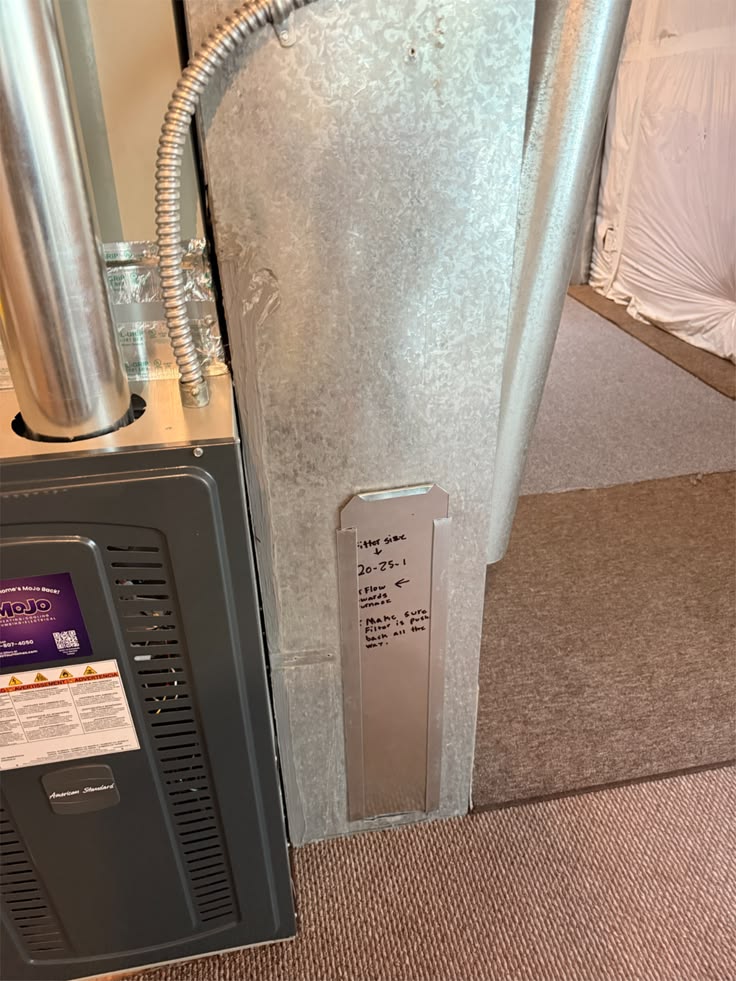
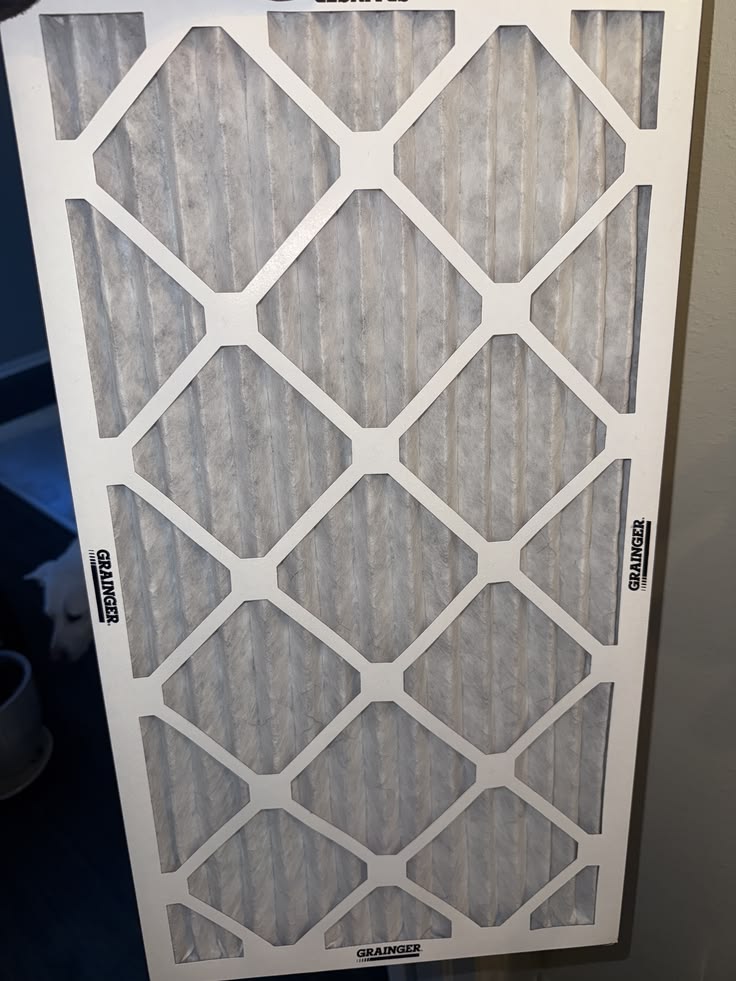
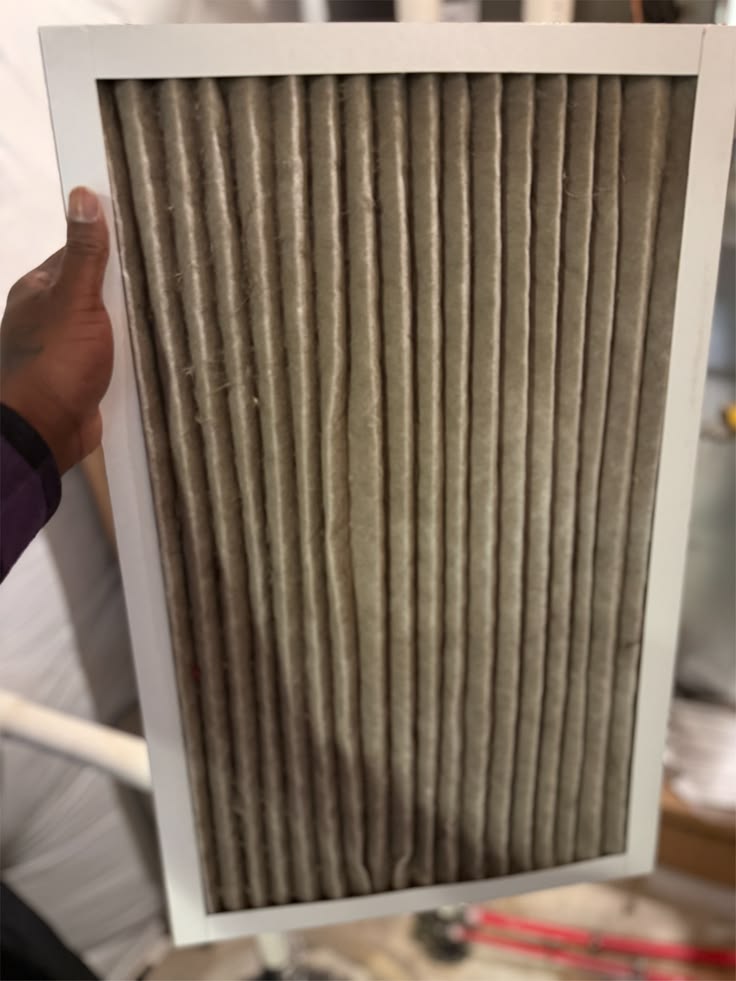
Routinely. A one-inch pleated filter left in past its life can drop system airflow enough on its own to push temperature rise past the nameplate maximum and trip the limit, and repeated limit trips thermally cycle the heat exchanger in the way that shortens its life fastest. In an Englewood home already working with 13.5% less input, restricted airflow is the quickest route from a functioning furnace to a service call. Filters should be inspected monthly through heating season and changed on condition rather than on a calendar.
What does a full furnace diagnostic in Englewood include?
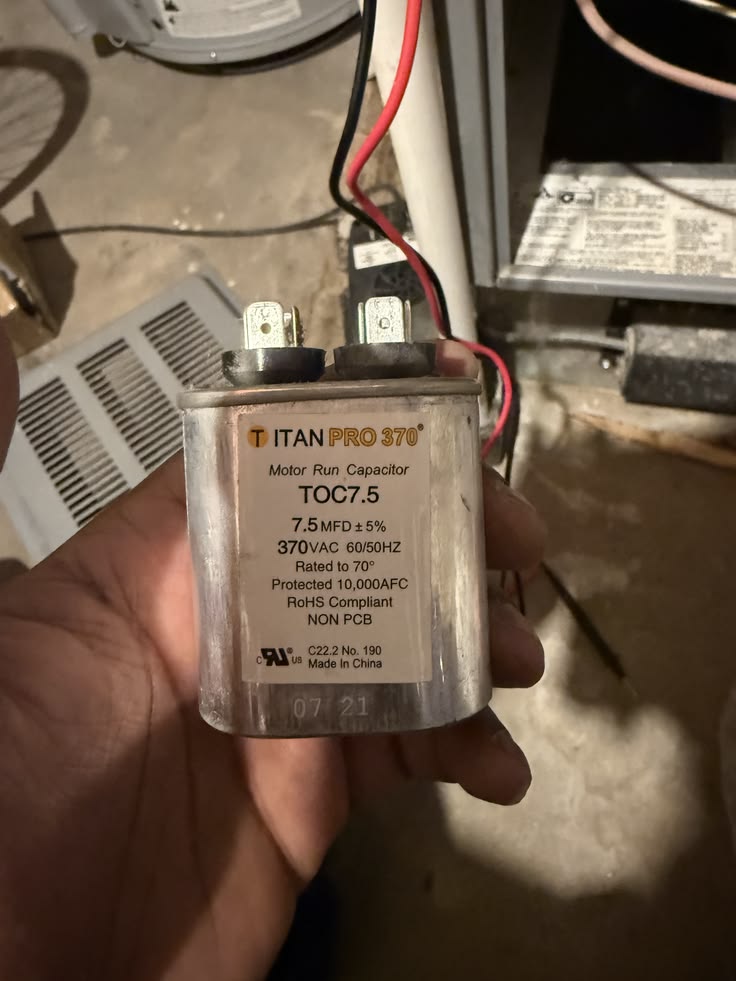
Static pressure across the air handler, temperature rise against the nameplate range, flame signal in microamps, manifold pressure verified for 5,371 feet, inducer and pressure switch operation, limit and rollout continuity, blower amp draw, and a visual heat exchanger inspection. That set answers nearly every heating complaint across a city of 33,082 people with a broad spread of equipment ages, and it leaves behind numbers a homeowner can hold a second opinion against.
Is blower speed part of the repair?
Often, and it is skipped often. Multi-speed blowers are set by tap or by dip switch, and variable-speed ECM blowers are programmed for a target airflow. Because air at 5,371 feet carries roughly 13.5% less mass per cubic foot, the heating speed selected at installation may move enough volume on paper and still leave temperature rise near the nameplate limit. Raising blower speed one tap is sometimes the entire repair on an Englewood furnace that trips its limit. It is also a change that has to be confirmed by re-measuring rise and static pressure, not assumed.
Where else in Arapahoe County does MoJo work?
Englewood is in Arapahoe County, and equipment replacement is permitted through the authority having jurisdiction there. The same crews cover Littleton, Greenwood Village at 5,466 feet and Hampden. Greenwood Village runs a 13.9% derate against Englewood's 13.5%, under half a point apart, which is close enough to share truck stock and far enough that combustion gets verified at every address. MoJo Home Services has been family-owned since 2009. Call 720-807-4050.
Other Englewood-area pages
The crews that cover Englewood also run furnace repair in Littleton, furnace repair in Greenwood Village, furnace repair in Hampden.
If it is the other system acting up instead, start at AC repair in Englewood.
See furnace repair for the service itself, or everything in Englewood for everything we do there.

Englewood
Home Of The $39 Diagnosis
Book your diagnostic today!
The $39 diagnostic service is a professional troubleshooting visit performed by a certified MoJo technician to identify the root cause of an HVAC issue.
Frequently Asked Questions
Why does my Englewood furnace cycle on and off so often?
Short cycles that end after several minutes of heat are usually high-limit trips caused by restricted airflow: a loaded filter, closed returns or undersized ductwork. With Englewood's 13.5% derate at 5,371 feet already reducing input, a limit trip normally indicates a serious airflow restriction rather than a borderline one. Measuring temperature rise against the nameplate range identifies it quickly.
What temperature rise should an Englewood furnace show?
Within the range printed on that furnace's nameplate, commonly 30 to 60 or 40 to 70 degrees Fahrenheit. At Englewood's 5,371 feet the less dense air carries roughly 13.5% less mass per cubic foot, so readings tend to sit toward the upper end of the range compared with the same equipment at sea level. Above the listed maximum means airflow needs correcting first.
Does Englewood's elevation affect furnace airflow as well as combustion?
Both. The 13.5% derate at 5,371 feet reduces the fuel input the burner can cleanly consume, and the same thin air means each cubic foot the blower moves carries less mass and absorbs less heat. Blower speed and duct sizing therefore have to be evaluated against actual static pressure and temperature rise readings, not against tables written for sea-level air.
How often should I change the furnace filter in an Englewood home?
Check monthly during heating season and change on condition. A one-inch pleated filter often needs replacing every one to three months depending on pets, occupancy and construction dust. In Englewood, where the furnace is already down 13.5% on input, a restricted filter is the fastest way to trip the high limit and start thermally cycling the heat exchanger unnecessarily.
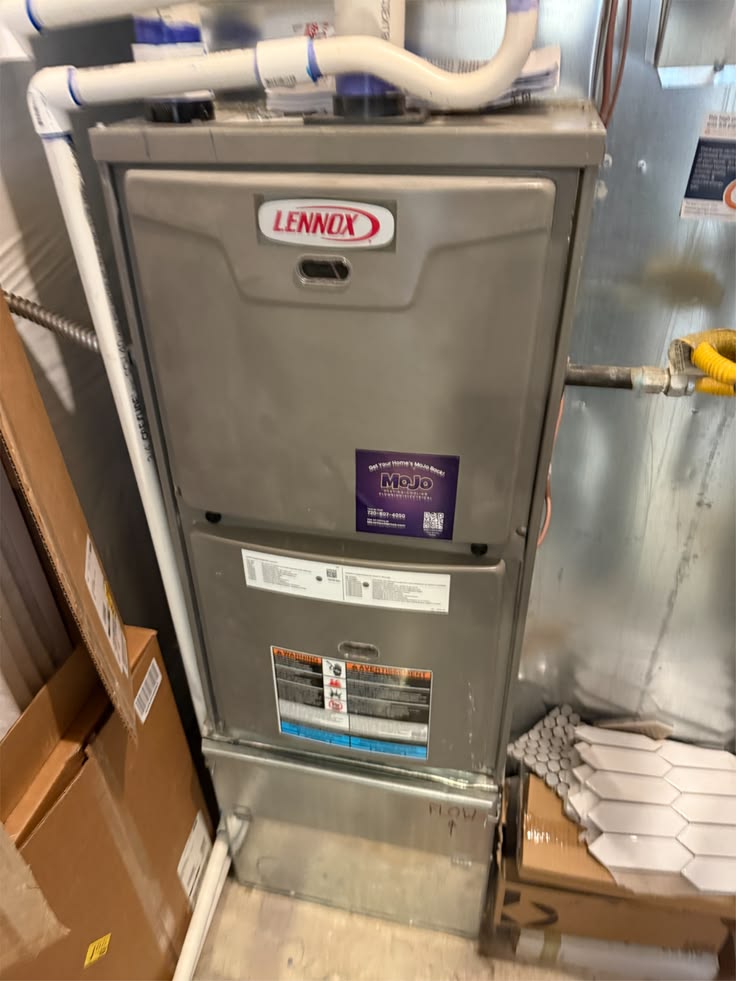
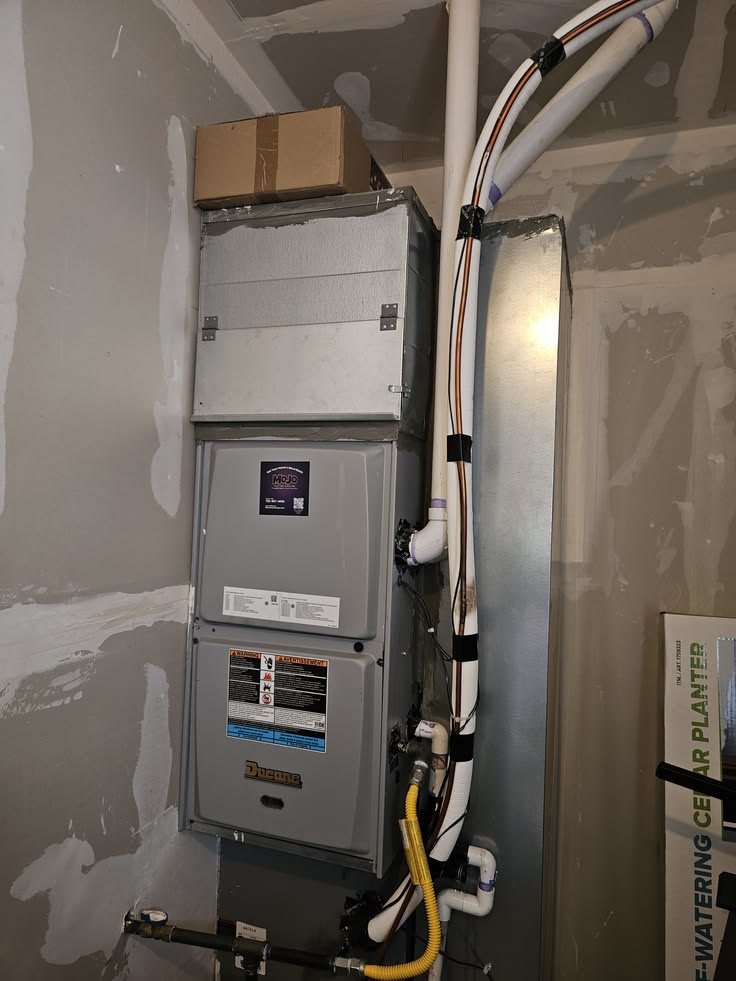
Do you repair all furnace brands in Englewood?
Yes. Across a city of 33,082 people the installed equipment spans many brands and several decades, so diagnosis is done by measurement rather than brand familiarity: static pressure, temperature rise, flame signal in microamps and manifold pressure set for 5,371 feet. Those readings apply to any gas furnace. Call MoJo Home Services at 720-807-4050 to schedule.
MoJo Home Services
A note for our neighbors
There are Englewood houses we have now looked after for more than one family, because the people moving out passed our name to the people moving in. Nothing tells us more than that. Taking a neighbor's word and then handing us a furnace repair is a kindness we notice every time.

Furnace Repair
In
Englewood
Share Your Experience
Thank you for supporting our local family business. If we did right by you, we'd love to hear about it on any site you use.
- Write a Google reviewQuick & easy
- Find us on YelpRead what neighbors said
- Review us on FacebookShare with friends
- Recommend us on NextdoorTell your neighbors


Your referrals and reviews not only mean so much to us, they also help the community know who to trust to Get their Home's MoJo Back!
Honest feedback is what we're after, good or bad. If something fell short, call us at the office first and we'll make it right.