By :
Is your HVAC ready for a Colorado winter? Explore energy-efficient upgrades like heat pumps and smart thermostats to save money and stay comfortable.
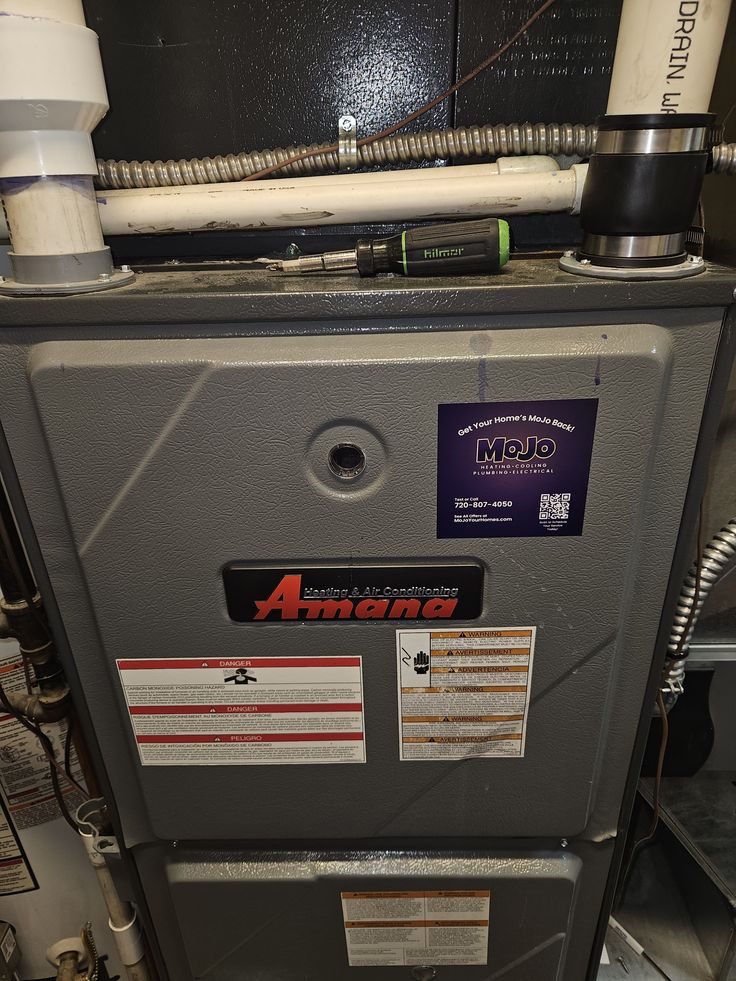
As any Colorado resident knows, our weather can be unpredictable. One day it feels like summer in Littleton, and the next, a winter storm is brewing over Thornton. This constant fluctuation puts a heavy demand on our home's heating and cooling systems. An older, inefficient HVAC system not only struggles to keep up but can also lead to surprisingly high energy bills.
If you're looking for ways to improve comfort and save money, considering an energy-efficient upgrade is one of the smartest investments you can make for your home. Let's explore why efficiency is so important and what modern options are available to you.
Why Energy Efficiency Matters for Denver Homeowners
An energy-efficient HVAC system is about more than just being 'green.' It directly impacts your wallet and your daily comfort. With rising utility costs, running an outdated furnace or air conditioner can become a significant financial drain. A modern, efficient unit uses less energy to produce the same, or even better, heating and cooling results.
This efficiency translates to consistent temperatures throughout your home, eliminating those frustrating hot and cold spots. For homeowners in communities from Westminster to Aurora, a reliable system provides peace of mind through every season.
Top Energy-Efficient HVAC Upgrades for Your Home
Today's HVAC technology offers incredible improvements over systems from just a decade ago. If your unit is getting old, it might be time to explore these powerful and efficient upgrades.
High-Efficiency Furnaces
Your furnace's efficiency is measured by its Annual Fuel Utilization Efficiency (AFUE) rating. This percentage tells you how much fuel is converted into usable heat. Older furnaces might have AFUE ratings of 70% or less, meaning 30 cents of every dollar you spend is wasted. Modern high-efficiency furnaces can have ratings of 95% or higher, offering immediate and substantial savings on your heating bills.
Heat Pumps: The All-in-One Solution
Heat pumps are becoming incredibly popular across the Denver area, and for good reason. These versatile systems provide both heating and cooling in a single unit. In the summer, a heat pump works like a standard air conditioner. In the winter, it reverses the process, extracting heat from the outside air and moving it inside. They are exceptionally efficient, especially during Colorado's milder fall and spring days, making them a fantastic all-season choice.
Smart Thermostats
One of the easiest and most impactful upgrades you can make is installing a smart thermostat. These devices go far beyond simple scheduling. They learn your family's patterns, adjust temperatures automatically when you're away, and can be controlled from your smartphone anywhere. Many also provide detailed energy reports, helping you identify opportunities for even more savings. It’s a small change with a big impact on your energy consumption.
Ductless Mini-Splits
Do you have a room that's always too hot or too cold? Or maybe you have an older home in Lakewood without existing ductwork? Ductless mini-splits are the perfect solution. These systems provide zoned heating and cooling, allowing you to control the temperature of individual rooms independently. They are highly efficient and ideal for home additions, converted garages, or any space that needs a dedicated comfort solution.
Is It Time to Repair or Replace?
Knowing whether to repair your current system or invest in a new one can be tough. Here are a few signs that replacement might be the more cost-effective option:
Age: If your furnace or AC is over 15 years old, it's likely operating far below modern efficiency standards.
Rising Energy Bills: A sudden or steady increase in your utility costs is a classic sign your system is losing efficiency.
Frequent Breakdowns: Are you calling for repairs every year? The cost of frequent service calls, like an emergency AC repair in Aurora on a hot day, can quickly add up and be better put toward a new, reliable system.
Uneven Temperatures: If some rooms are comfortable while others are not, your system may no longer be able to distribute air effectively.
The Importance of Professional Installation and Maintenance
Choosing the right equipment is only half the battle. A high-efficiency system will only perform as expected if it's installed correctly by a qualified professional. Improper installation can reduce efficiency, shorten the unit's lifespan, and even void the manufacturer's warranty.
Once your new system is installed, routine check-ups are essential. Scheduling regular furnace maintenance near Lakewood ensures your equipment runs safely and at peak efficiency year after year. These tune-ups can catch small issues before they become major, expensive problems, protecting your investment for the long haul.
Your Local Partner for HVAC Services in Denver
Navigating the world of HVAC upgrades can feel overwhelming, but you don't have to do it alone. As your local experts, we are dedicated to providing the best HVAC services in Denver and the surrounding communities. We can assess your current system, understand your family's needs, and recommend the most effective and efficient solutions for your home and budget.
Ready to experience greater comfort and lower energy bills? Contact our team today to schedule a consultation and learn more about the latest in energy-efficient heating and cooling technology.
Sources & References
National Oceanic and Atmospheric Administration (NOAA), "Colorado Winter Weather Statistics," National Weather Service, 2024
Colorado State University - Colorado Climate Center: Winter Preparation Data, 2024
U.S. Department of Energy - Fall and Winter Energy Saving Tips, 2024
Air Conditioning Contractors of America (ACCA), Cold Weather HVAC Preparation Standards, 2024
Xcel Energy, "Winter Energy Efficiency Programs for Colorado Homes," 2025
ENERGY STAR, "Cold Climate Heat Pump Technology Guide," U.S. EPA, 2024
Prepare your HVAC for Colorado's harsh winters. MoJo Home Services provides furnace tune-ups and winter-ready heating solutions. Contact us at 4000 Newman St, Wheat Ridge, CO 80033 or call (720) 807-4050 before the first freeze.
Frequently Asked Questions
What makes ductless mini-splits different from a standard central HVAC system?
A standard central HVAC system heats or cools your entire home through a shared network of ducts, treating every room the same way. A ductless mini-split bypasses ductwork entirely and delivers conditioned air directly to specific rooms or zones through individual indoor units. Each zone can be controlled independently, so you're only heating or cooling the spaces you're actually using — which is both more efficient and more comfortable than a one-size-fits-all approach.
Are ductless mini-splits a good solution for home additions or converted garages?
They're actually one of the best solutions for exactly those situations. Extending existing ductwork into a new addition or a converted garage is often expensive and disruptive, and the added square footage can overload a central system that wasn't sized for it. A ductless mini-split installs with minimal construction, provides dedicated heating and cooling to that specific space, and doesn't affect the performance of the rest of your home's system.
Can a smart thermostat show me exactly where I'm wasting energy?
Many modern smart thermostats go well beyond just scheduling — they generate detailed energy reports that break down your heating and cooling usage over time. These reports can reveal patterns you might not notice otherwise, like the system running longer than expected during certain hours or energy spikes tied to specific weather conditions. That data gives you actionable insight into where adjustments in your schedule or settings could lead to additional savings.
My older furnace has an AFUE of around 70% — how much am I actually wasting?
At 70% AFUE, roughly 30 cents of every dollar you spend on heating fuel is lost — vented outside as waste heat rather than warming your home. Over a Colorado winter, that adds up significantly. Upgrading to a modern condensing furnace rated at 95% AFUE or higher means you recapture most of that waste and put it to work. For a home with high winter heating bills, the monthly savings from that efficiency jump can be substantial.
Is energy efficiency just about saving money, or are there other real benefits?
The financial savings are the most immediate benefit, but the comfort improvements are just as significant for most homeowners. High-efficiency systems maintain more consistent temperatures throughout your home, eliminating the hot and cold spots that older, struggling units can't address. Better humidity control, quieter operation, and improved air filtration are also common advantages of modern equipment — benefits that directly affect how comfortable and healthy your home feels every day, not just what shows up on your utility bill.
How do I know if my older home without ductwork can still get central heating and cooling?
Older homes without existing ductwork have two main paths to whole-home comfort. The first is installing new ductwork during a renovation, which is costly and invasive. The second — and increasingly popular — option is a ductless mini-split system, which requires only a small hole through an exterior wall to connect the outdoor compressor to the indoor unit. Multiple indoor units can serve different rooms or zones, giving you full-home comfort without the expense and disruption of a full duct installation.
How does Colorado's climate specifically benefit from heat pump technology?
Heat pumps shine during Colorado's long fall and spring shoulder seasons, when temperatures are mild enough that moving heat is far more efficient than generating it. Rather than burning fuel to create warmth, a heat pump simply transfers existing heat from the outdoor air into your home — a process that can deliver two to three times more energy than it consumes. Even during Denver's colder stretches, modern cold-climate heat pumps maintain strong performance, making them a practical all-season solution rather than just a fair-weather option.
What should I ask a contractor before agreeing to a new HVAC installation?
A few key questions protect your investment. Ask whether they will perform a proper load calculation to size the system correctly for your home — not just estimate based on square footage. Ask whether the installation meets manufacturer specifications, since improper installation can void the warranty. Ask about their licensing and insurance. And ask what the maintenance schedule looks like for the new system and whether they offer service agreements. A trustworthy contractor answers these questions clearly and without hesitation.
Related Resources