Welcome, Neighbors of
Denver Tech Center
Furnace Repair in Denver Tech Center, CO
The Denver Tech Center is offices and towers with homes woven in among them, and heating equipment here often lives in a closet or on a shared floor rather than a basement of its own. Access alone changes the job. Family owned since 2009, licensed and insured.
5-star rated · Local & Family-owned since 2009
Licensed & Insured
Family Owned
NATE Certified
EPA Certified
BBB Accredited
Serving Denver Metro

See your neighbor deals
MoJo Home Services
Furnace Repair
Denver Tech Center Furnace Repair
The Denver Tech Center is a business district rather than a municipality, sitting at 5,466 feet and straddling the boundary between Greenwood Village and the City and County of Denver. Two facts follow from that. Every gas furnace in the district gives up 13.9% of its rated input to altitude, and which authority permits a change-out depends on which side of a line the building stands on. MoJo Home Services works the DTC's residential and mixed-use properties. Licensed, insured, 720-807-4050.
Which jurisdiction permits furnace work in the Denver Tech Center?
It depends on the address, not on the district name. The Denver Tech Center is a subdivision whose parent municipality is Greenwood Village, in Arapahoe County, but the district extends across the Denver line, and buildings on the Denver side are permitted through the City and County of Denver instead. Nothing about the appliance changes; the paperwork and the inspecting authority do. Establishing which one applies before a replacement is scheduled is the difference between a one-visit job and a rescheduled inspection, and it is the first thing we confirm on a DTC change-out.
How does 5,466 feet change what a DTC furnace delivers?
The district is 3,466 feet above the 2,000-foot certification baseline, so the derate is 13.9%. A 100,000 BTU per hour furnace fires about 86,100 here and delivers roughly 68,900 at 80% efficiency. A 120,000 unit, more common in larger units and mixed-use spaces, fires about 103,300 rather than 120,000. Delivering a given quantity of heat takes 16.1% more burner minutes than the same appliance would need at sea level, which matters most in buildings whose schedules assume a fast morning warm-up from a night setback.
Why are furnaces harder to service in DTC closets and mixed-use floors?
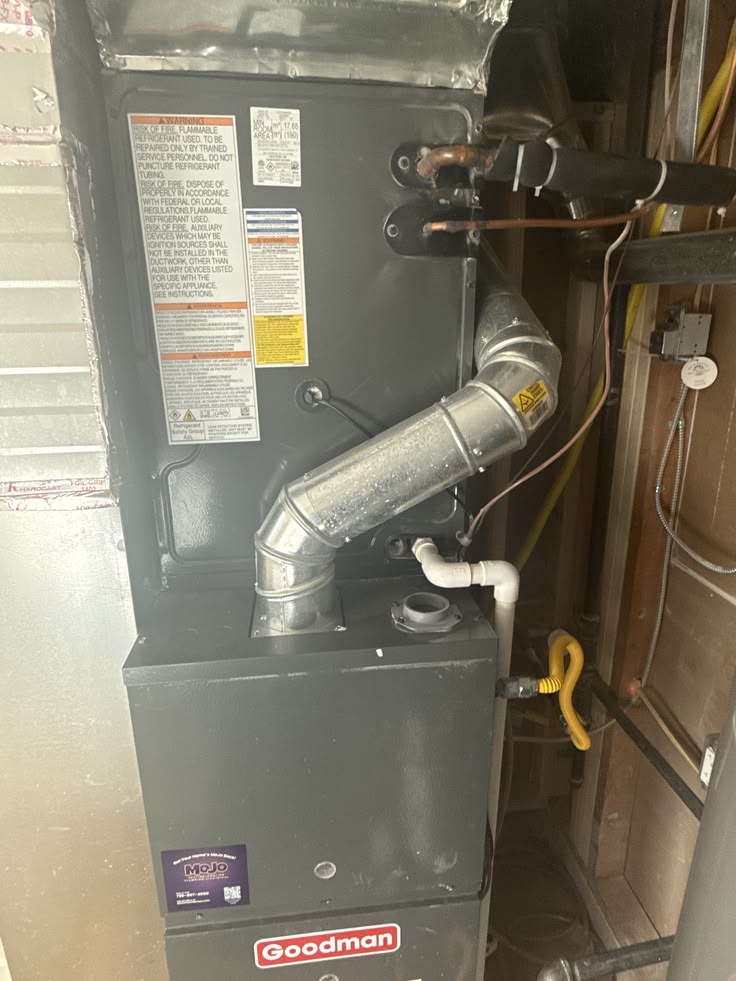
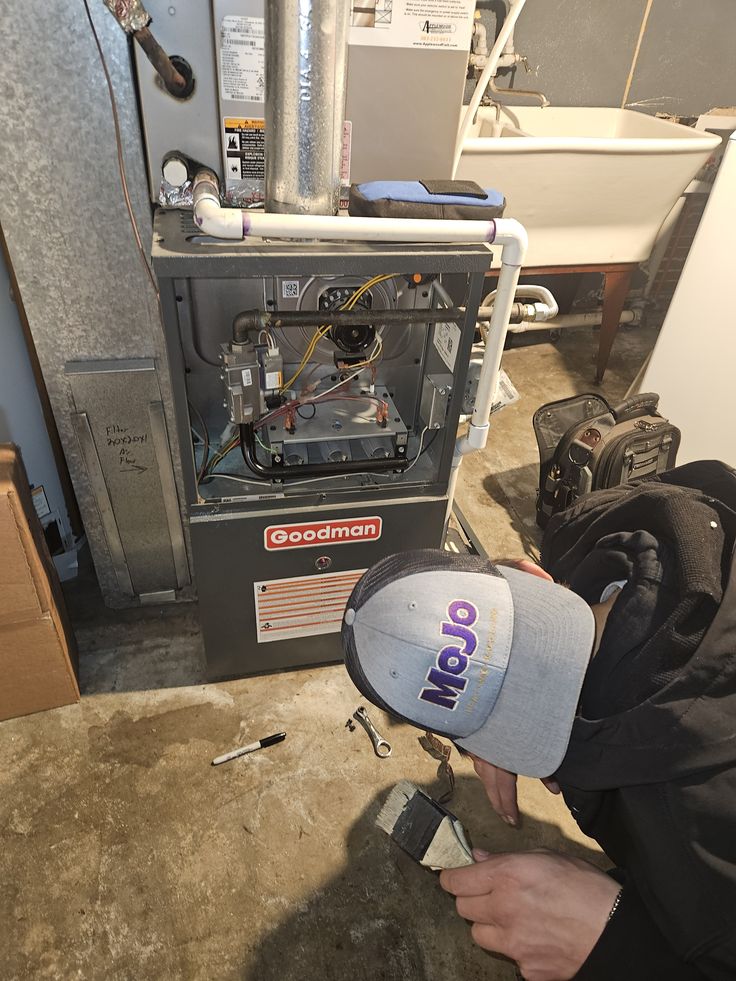
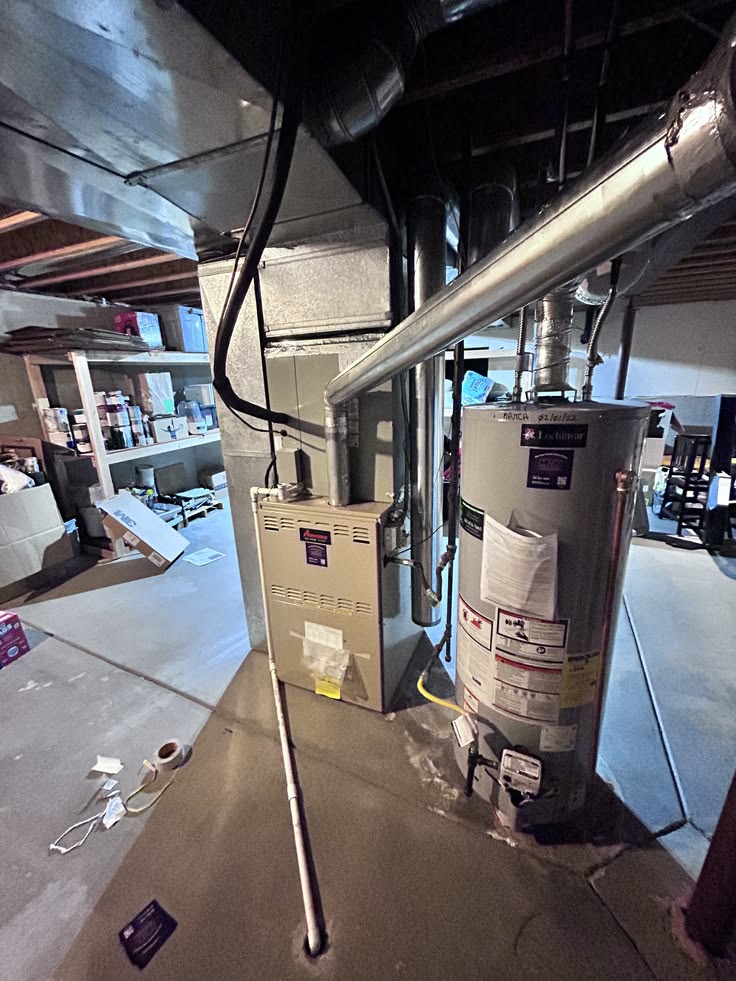
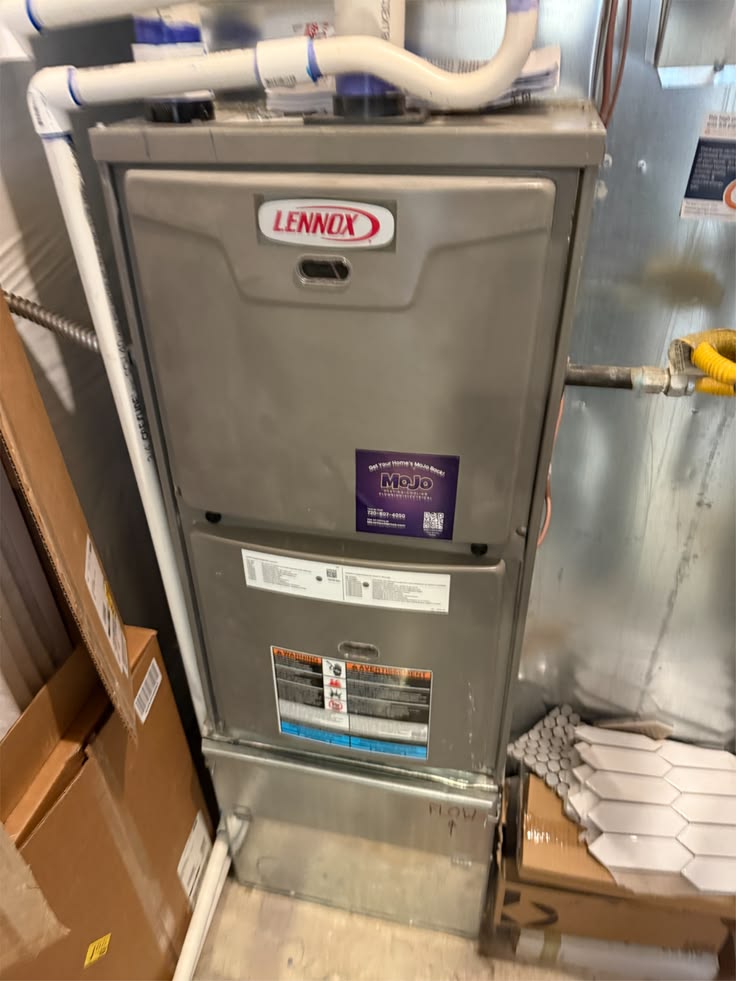
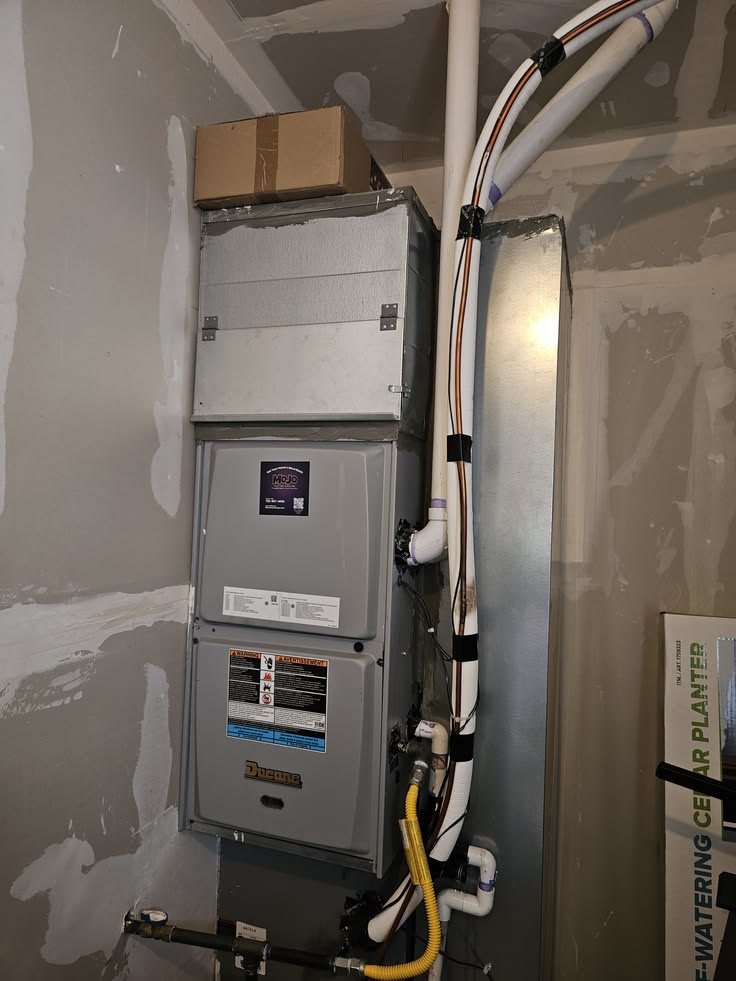
Because access and clearance were designed around square footage, not around a technician. Closet-mounted and upflow-in-a-utility-room installations put the burner compartment, the inducer and the condensate trap within inches of a wall, which is survivable for an igniter swap and awkward for a heat exchanger inspection. The same constraint tends to produce longer, more convoluted vent runs than a detached house would have, and a long vent run at 13.9% derate has less thermal energy in the flue gases to work with. Where a naturally drafting appliance is involved, that shows up as slow draft establishment, condensation in the vent and corrosion at the joints.
Do tighter mixed-use envelopes cause combustion problems here?
They can, and the mechanism is straightforward. A gas burner needs a supply of combustion air, and a tightly built or heavily exhausted space does not always provide one passively. Add kitchen exhaust, bath fans or a mechanical exhaust system running at the same time as the furnace, and the space can go slightly negative with respect to outdoors — enough to pull flue gases back down a natural draft vent. At 5,466 feet the flue's buoyancy is already working with thinner air, so the margin against that reversal is smaller than the same installation would have nearer sea level. Sealed-combustion equipment drawing its air directly from outside sidesteps the problem entirely, which is one reason it is the right answer in this kind of building.
What does a DTC furnace diagnosis actually measure?
Manifold pressure against the manufacturer's high-altitude column rather than the sea-level default, inlet gas pressure under simultaneous appliance load, static pressure across the air handler, temperature rise against the nameplate band, and a draft check at the vent connector with any exhaust equipment in the space running. That last condition is the one most often skipped, and in a building with mechanical exhaust it is where the intermittent faults live — the furnace that works every time a technician visits and locks out every Monday morning.
What surrounds the Denver Tech Center?
Greenwood Village shares the district's 5,466 feet and its 13.9% derate exactly. Centennial is 364 feet higher at 15.3%, and Lone Tree higher again at 15.8%. Those are meaningful differences over a short drive: a furnace specification carried unchanged from a Lone Tree property to a DTC one is sized for 1.9 percentage points more altitude loss than the building actually experiences.
Same crews, neighbouring towns
Nearby and on the same schedule: furnace repair in Greenwood Village, furnace repair in Centennial, furnace repair in Lone Tree.
Heating and cooling fail for different reasons in the same house — see AC repair in Denver Tech Center.

Denver Tech Center
Home Of The $39 Diagnosis
Book your diagnostic today!
The $39 diagnostic service is a professional troubleshooting visit performed by a certified MoJo technician to identify the root cause of an HVAC issue.
Frequently Asked Questions
What is the gas furnace derate in the Denver Tech Center?
The Denver Tech Center sits at 5,466 feet, 3,466 feet above the 2,000-foot baseline, giving a 13.9% derate. A 100,000 BTU per hour furnace fires about 86,100 there, and a 120,000 unit about 103,300. Delivering the same heat takes 16.1% more burner minutes than at sea level — worth knowing in buildings that rely on a fast recovery from night setback.
Who issues the permit for a furnace replacement in the DTC?
It depends on the address. The Denver Tech Center straddles Greenwood Village, in Arapahoe County, and the City and County of Denver, so the permitting authority follows the side of the boundary the building sits on rather than the district name. We confirm the jurisdiction before scheduling a change-out, because getting it wrong costs an inspection date rather than a phone call.
Why does my DTC furnace lock out only on certain mornings?
Intermittent lockouts in a Denver Tech Center building usually track something else that runs at the same time. Kitchen exhaust, bath fans or a mechanical exhaust system can pull the space slightly negative, and at 5,466 feet a natural draft vent has less buoyancy in reserve to fight that. The furnace tests perfectly with the building quiet and fails when the building is busy, so the draft check has to be done with the exhaust running.
Are closet-mounted furnaces harder to repair in the Tech Center?
They are more constrained rather than harder to fix. Tight clearances around the burner compartment, inducer and condensate trap make a heat exchanger inspection slow and make some component swaps a two-person job. The same layouts tend to produce longer vent runs, and at a 13.9% derate the flue gases have less energy to carry through that run, so venting deserves a closer look than in a detached house.
Is a Denver Tech Center furnace sized the same as one in Lone Tree?
No. Lone Tree is 482 feet higher and derates 15.8% against the Tech Center's 13.9%, a 1.9-point difference in usable input. A specification carried unchanged between the two overshoots or falls short depending on direction. Greenwood Village is the one neighbour that matches the DTC exactly, sharing both 5,466 feet and the 13.9% figure.
MoJo Home Services
A note for our neighbors
A surprising share of our Denver Tech Center calls start as a conversation between coworkers, one person mentioning who they had out at the house. Being the name that comes up in that kind of offhand chat is exactly how a family run furnace repair business keeps going. Thank you for the mention.

Furnace Repair
In
Denver Tech Center
Share Your Experience
Thank you for supporting our local family business. If we did right by you, we'd love to hear about it on any site you use.
- Write a Google reviewQuick & easy
- Find us on YelpRead what neighbors said
- Review us on FacebookShare with friends
- Recommend us on NextdoorTell your neighbors


Your referrals and reviews not only mean so much to us, they also help the community know who to trust to Get their Home's MoJo Back!
Honest feedback is what we're after, good or bad. If something fell short, call us at the office first and we'll make it right.