Welcome, Neighbors of
Denver
Furnace Repair in Denver, CO
Denver is where we started, and there is barely a housing type in the city we have not worked in by now, from century old brick bungalows to converted lofts downtown. Heat behaves differently in every one of them. Family owned, licensed and insured, serving Denver since 2009.
5-star rated · Local & Family-owned since 2009
Licensed & Insured
Family Owned
NATE Certified
EPA Certified
BBB Accredited
Serving Denver Metro

See your neighbor deals
MoJo Home Services
Furnace Repair
Furnace Repair in Denver, CO
Denver sits at 5,279 feet. Under the NFPA 54 convention of 4% per 1,000 feet above 2,000 feet, that strips 13.1% off the rated input of every gas furnace in the city: a nameplate 100,000 BTU/hr unit is really an 86,900 BTU/hr unit, and at 80% AFUE roughly 69,500 BTU/hr reaches the ductwork instead of 80,000. A large share of the Denver furnace calls we run trace back to that 13.1% being ignored, either at installation or during a later repair. MoJo Home Services has been diagnosing gas heat inside the City and County of Denver since 2009.
Why does 5,279 feet matter more for a furnace than for an air conditioner?
An air conditioner moves heat. A furnace makes it by burning fuel, so thin air hits it twice. Denver's 13.1% derate is not a paperwork adjustment - it is the real reduction in BTUs the burners can produce, because a cubic foot of combustion air at 5,279 feet carries noticeably less oxygen than the orifice was drilled for at sea level. A furnace never converted for Denver elevation runs rich: lazy yellow flame tips, soot at the burner ports, elevated flue temperature, and a heat exchanger absorbing thermal stress it was not rated for. The city is 3,279 feet above the 2,000-foot line where the derate begins, and about 780 feet above the 4,500-foot ceiling most manufacturers certify equipment to without modification.
What breaks most often on Denver furnaces?
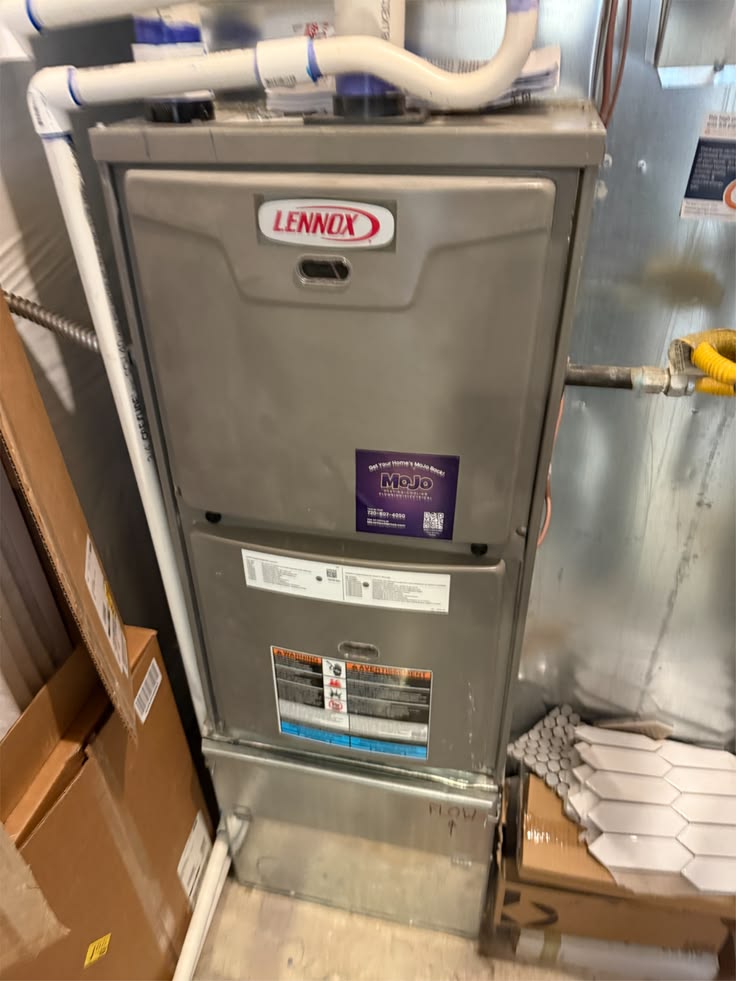
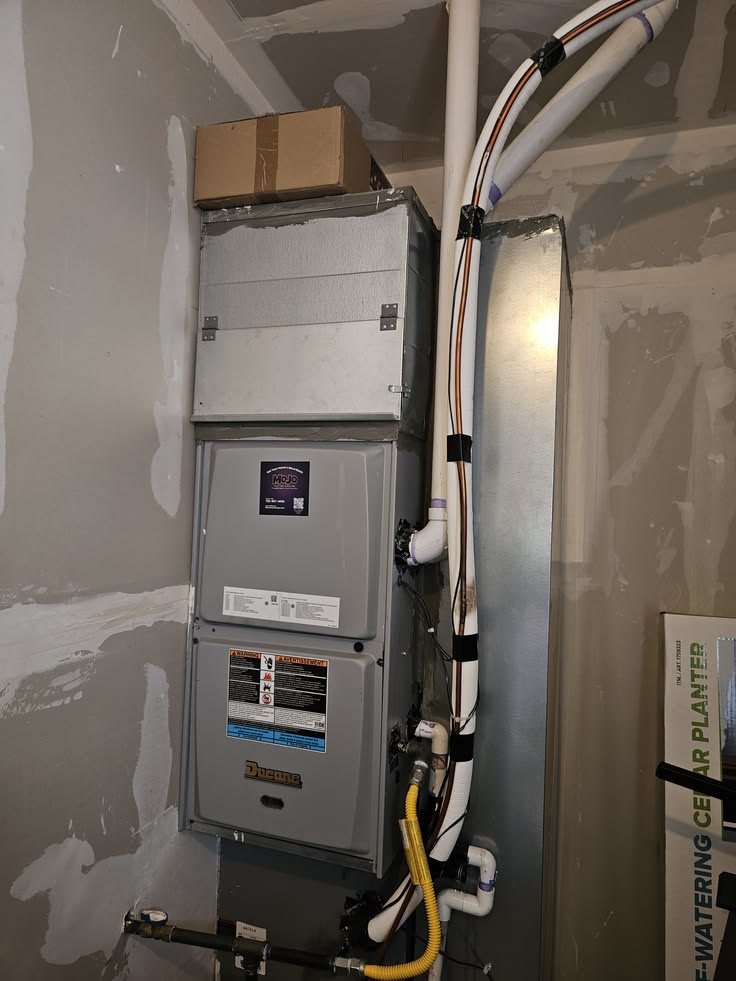
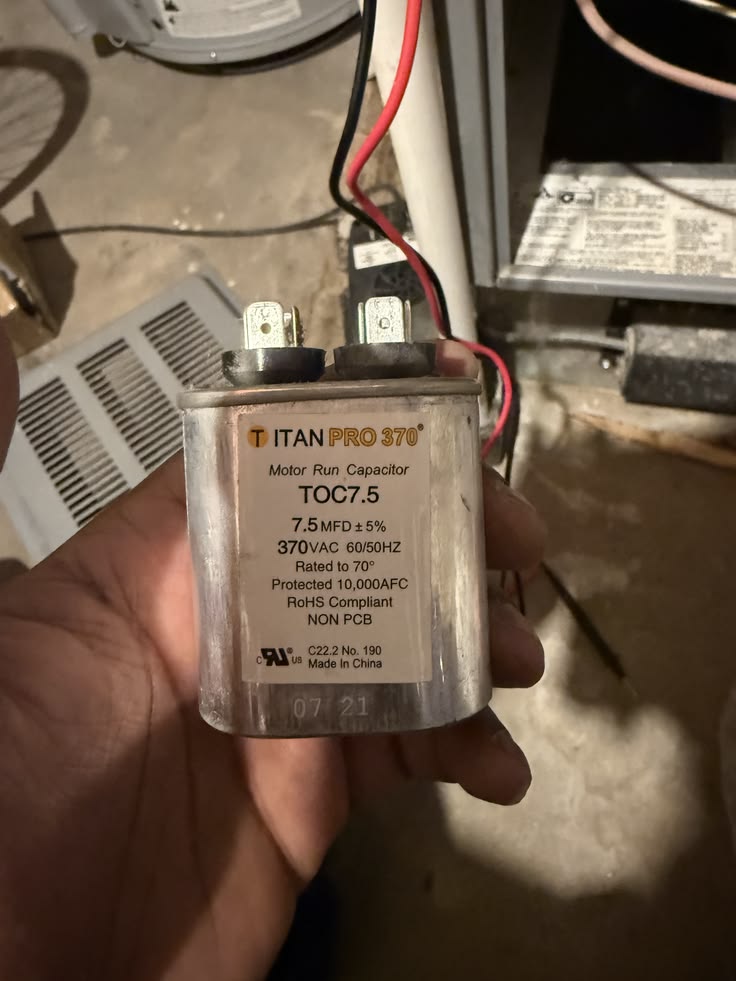
Flame sensors and hot surface igniters lead the list, but the Denver version of that failure is specific: a rich flame under a 13.1% derate lays oxide film on the sensor rod faster, so a furnace that lights and drops out after four to seven seconds is usually reading under 1 microamp when it should read 2 to 6. Behind those come draft pressure switches that will not make on a cold start, inducer motors, roll-out and high-limit switches tripping because temperature rise is running past nameplate, gas valves, and control boards. On older Denver equipment, the call that ends the furnace is a cracked primary heat exchanger.
How should a technician diagnose a Denver furnace that will not stay lit?
In sequence, with meters instead of guesses: confirm inlet gas pressure near 7 inches w.c. and manifold pressure at the nameplate figure, commonly 3.5 inches w.c. on natural gas; verify the orifices and any manifold adjustment actually match a 5,279-foot installation; read flame signal in microamps; test the pressure switch against its stamped setpoint while watching inducer draft; run a combustion analysis and compare air-free CO to the 400 ppm ANSI ceiling, targeting far below it; then measure temperature rise across the heat exchanger and total external static pressure. Half the Denver furnaces that supposedly need a control board are failing one of the first four checks.
Does the age of a Denver house change the repair?
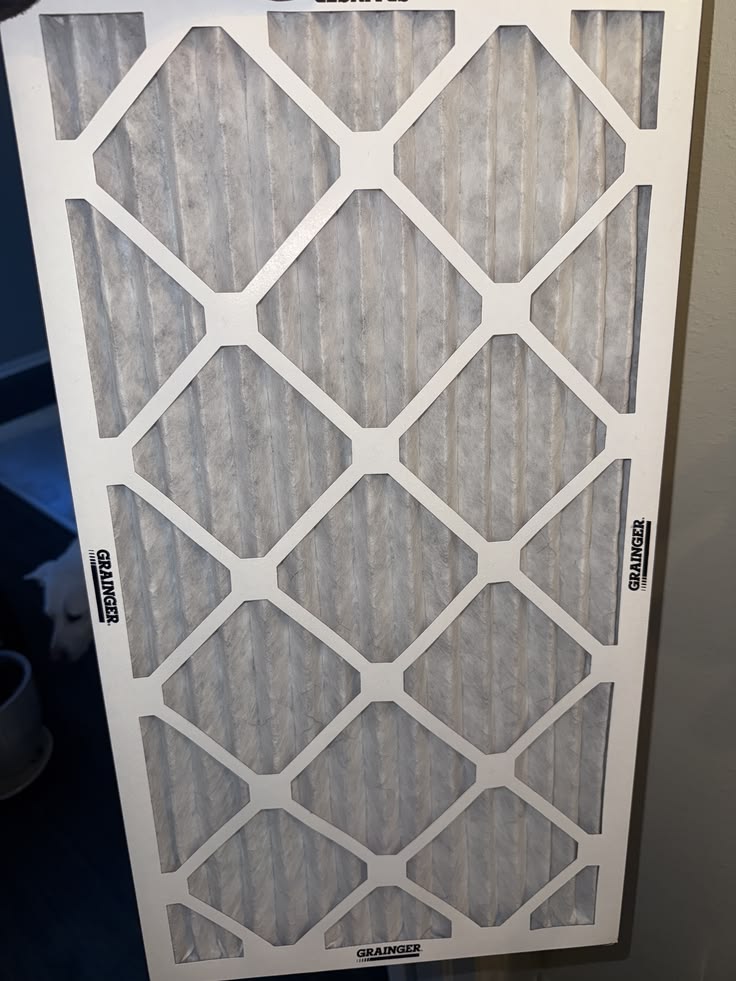
More here than anywhere else in the metro. With 729,019 residents, Denver holds the widest span of building vintages in the region: small original-footprint houses with ducts added decades after they were built, mid-century tract construction, and new infill on the same block. Older Denver duct layouts were sized around a much larger and far less efficient appliance, so when a modern furnace goes in without reworking the returns, static pressure climbs, airflow drops, and the 13.1% derate compounds into limit trips. We measure static pressure before recommending anything.
Repair or replace: how do you decide in Denver?
The honest test is whether the furnace was ever correctly set up for 5,279 feet. A properly converted fifteen-year-old unit with a failed inducer is worth the part. A furnace that has been overfiring on sea-level orifices for a decade has been loading the heat exchanger the entire time, and a cheap repair on it buys one season. Any Denver replacement quote you accept should show a heat loss calculation with the 13.1% derate applied to the selected input - if it does not, the equipment is being sized against a capacity number that does not exist at this elevation.
Do you pull permits for furnace work in Denver?
Yes. Denver is a consolidated city and county, so gas appliance work is permitted through Denver's own building authority rather than a separate county office, which is different from every other jurisdiction we work in. Component repairs - sensor, igniter, inducer, pressure switch - generally do not require a permit. A furnace changeout or heat exchanger replacement does, and we file it rather than leaving it to you.
Which parts of Denver do you cover?
All of it, including the municipalities enclosed by it. Park Hill is a Denver neighborhood at essentially city elevation, while Glendale and Edgewater are separate municipalities surrounded by the Denver footprint - the same 13.1% derate governs the equipment, but the permitting authority is not the same one. Call 720-807-4050 for heating diagnosis anywhere in that area.
Other Denver-area pages
If you are comparing notes with someone a town over, we cover furnace repair in Park Hill, furnace repair in Glendale, furnace repair in Edgewater, furnace repair in Longmont, furnace repair in Dakota Ridge, furnace repair in Foxfield, furnace repair in Northwood Acres, furnace repair in Applewood, furnace repair in Aurora Hills, furnace repair in Bennett, furnace repair in Boulder, furnace repair in Bow Mar, furnace repair in Castle Rock, furnace repair in Denver Tech Center, furnace repair in Eldorado Springs, furnace repair in Evergreen, furnace repair in Floyd Hill, furnace repair in Green Valley Ranch, furnace repair in Hampden, furnace repair in Hudson, furnace repair in Lochbuie, furnace repair in Larkridge too.
If it is the other system acting up instead, start at AC repair in Denver.
See furnace repair for the service itself, or everything in Denver for everything we do there.

Denver
Home Of The $39 Diagnosis
Book your diagnostic today!
The $39 diagnostic service is a professional troubleshooting visit performed by a certified MoJo technician to identify the root cause of an HVAC issue.
Frequently Asked Questions
How much of my furnace's rated output do I actually get in Denver?
About 86.9% of it. At 5,279 feet Denver's derate is 13.1%, so a 100,000 BTU/hr furnace produces 86,900 BTU/hr of input and an 80% AFUE model delivers roughly 69,500 BTU/hr into the ducts. That shortfall is normal and expected at this elevation - what is not normal is a furnace that was never converted, which loses the capacity and burns dirty at the same time.
Why does my Denver furnace run in short bursts and then stop?
Short cycling in Denver usually comes from one of three things: a furnace oversized for the home even after the 13.1% derate, temperature rise running above nameplate so the high limit opens before the thermostat is satisfied, or restricted return air raising static pressure. All three are measurable in one visit with a manometer and a temperature rise reading, so insist on numbers before any part is quoted.
Can a furnace set up at sea level be used in Denver without changes?
Not safely. Most manufacturers certify furnaces for installation up to 4,500 feet as shipped, and Denver is roughly 780 feet above that. Operating at 5,279 feet on unconverted orifices means excess fuel for the available oxygen, which shows as yellow flame, soot, high flue temperature and rising carbon monoxide. The conversion is an orifice or manifold pressure change and takes a fraction of a service visit.
Is a yellow flame in a Denver furnace dangerous?
Treat it as urgent. Natural gas should burn mostly blue; persistent yellow rolling flame at 5,279 feet points to incomplete combustion, which produces carbon monoxide. Shut the furnace off, ventilate, and have combustion tested with an analyzer against the 400 ppm air-free CO limit. In Denver the usual root cause is a furnace never derated for 13.1%, followed by blocked burners or a compromised heat exchanger.
How long does a typical furnace repair take in Denver?
Most single-component Denver repairs - flame sensor, hot surface igniter, pressure switch, inducer motor - are completed in one visit once diagnosis is done, and diagnosis is where the time belongs. Combustion analysis, static pressure and a check that the unit is genuinely set up for 5,279 feet add time up front but stop the repeat call. Reach us at 720-807-4050.
MoJo Home Services
A note for our neighbors
Denver is where we began in 2009, and most of our work still arrives the old way, one person telling another. In a city this size that is never a given, so thank you for naming us when a friend needed furnace repair. We are still family owned because of you. 💜

Furnace Repair
In
Denver
Share Your Experience
Thank you for supporting our local family business. If we did right by you, we'd love to hear about it on any site you use.
- Write a Google reviewQuick & easy
- Find us on YelpRead what neighbors said
- Review us on FacebookShare with friends
- Recommend us on NextdoorTell your neighbors


Your referrals and reviews not only mean so much to us, they also help the community know who to trust to Get their Home's MoJo Back!
Honest feedback is what we're after, good or bad. If something fell short, call us at the office first and we'll make it right.